十五年:从被拐、家暴报警到五年保护令,一位华人女性走通的求助路
主题:这是一个真实的故事——一位华人女性,讲述自己从被拐、被控制,到报警、就医、申请保护令,再到逐步恢复的十五年(2009 年至 2024 年)。在她自己的划分里,这段日子分作三段:2009 年到 2019 年,是受控制的十年;2019 年到 2025 年,是求助与纠缠并行的六年——她一边求助,一边仍持续被骚扰、被拉扯、被往回拉,纠缠一直没有停过;2025 年之后,她才真正开始作为幸存者活下去。家暴与控制有一套可以识别的模式:索取、隔离、操控,以及冷淡与激烈对待交替出现。走出困境有明确的路径与对应的机构:报警、告诉家人、就医与心理咨询、家庭司法中心、法院保护令。本文末附自救步骤清单与完整求助信息——以及她最想告诉后来人的一句话:尽早找专业的人。
这篇讲述的,是一个备受身体与精神伤害的受害者,如何在这一路专业资源的救助下,一步一步成为幸存者——而真正作为幸存者活下去,是 2025 年之后才开始的事。她自己这样概括这十五年:从懵懂、到惊吓、到逃难、到无助,到伤痕累累、多次濒临死亡,再到最后认出这套操控、几番拉扯,终于逃了出来。
编者按:自今年十月初起,本刊主编用近一个月时间,逐项整理这起个案的材料,走访并核实她走过的求助环节,至此发稿。她不希望自己的生活受到打扰。她愿意把这段经历讲出来,是希望正在亲密关系中遭受身体或精神伤害的人,能早一点知道可以向哪里求助,不必再走她走过的那条辛酸路。
2009 年,她被拐走。据她讲述,对方起初是借着共同的信仰走近她的——同有信仰,又像是工作上打过交道的人,她只当他是个本分的好人,没有设防。她没有想到,自己走进的不是一段正经的交往,而是一场混乱的婚恋游戏。人被带离了熟悉的环境之后,她的生活长期不由自己作主:2011 年,她生下孩子;2013 年,她逃了出来——逃到美国。那时她觉得,自己像是逃难一样,终于离开了一个让她窒息的环境:新的国家、新的城市,以为会是一个新的开始。同年,她又生下孩子。可是到了 2015 年,对方以「孩子需要一个完整的家庭」为由,让她为他办理绿卡申请、把他接到美国。她以为已经逃开的一切,又跟着她来到这个新的国家。
他来到美国之后,那个让她窒息的环境又回到了她的生活里。在很长一段时间里,她想看医生也去不了——对方不允许她就医。身体和精神上的不适,只能自己默默承受。在一个完全陌生的国家里,她不知道可以向谁开口,更不知道,这个国家有专门帮她这样的人的机构。
被困住的那些年:索取、隔离与操控
如今回头看,那些年的困局并不是一连串偶然,而是一套一环扣一环的控制。她自己形容那十年:就像进了缅甸园区一样,被奴役、像奴隶一样地活着。从人被带离熟悉的环境起,接着是钱与物无休止的索取——她被当作供养者,被要求满足对方提出的一切索取与愿望,连名下的资产也被索要。社交上,她被拿来当作谈资,又被一步步与外界隔离——隔离是常年累月做成的:他不让她接触外人任何不同的信息,她能听到的,只有他日复一日重复的那一套说法;孩子被用来牵制她,连生育都由不得她自己,她还被迫在文件上签字。威胁与恐吓、时冷时热的对待和长期的精神操控,成了那些年的日常;生了病,她的就医一再被拖延,也得不到允许。为了少受伤害,她一度不得不装糊涂、装顺从。她说,当一个人所有的支持都被这样一点点切断、长期处在孤单和无人理解里,心理和身体都会被拖垮,那种程度,外人很难理解。
她不是没有逃过。那些年里,她曾经逃离,一次次换城市,却又一次次被找到,索取随之继续。直到最后,她才找到机会真正脱身;为了保护孩子,她不得不丢掉工作,专心照顾孩子。被索取的供养者与孩子唯一的依靠,是同一个人。
她后来从这段经历里明白,界限要尽早立起来。遇到并不合适的人,或是带着别的目的来接近自己的人,要坚决拒绝;不要只靠逃跑和躲避,也不要在受到威胁时勉强满足对方的要求,以为给了,伤害就会停下来。她说,长期施加伤害的人,不会因为得到了什么就停止伤害;得到了,也不会就此停止索取。越早说不,越能为自己留出求助与离开的空间。
据她讲述,对方的威胁不是一时的气话:他曾公开扬言,要把她「吃干抹净」;扬言要让她身败名裂;长年下来,威胁与恐吓一直这样压在她的生活之上。她特别说清:这些话不是她事后编出来的——据她讲述,她当年报警留下的记录里,也记有这样的威胁与恐吓;这些事,是有报警记录可查的。这套威胁与纠缠,后来也没有随着她走上求助之路而停下来——哪怕在她拿到禁止令以后,仍换着方式继续着。
劝她忍下去的那些话
在她看来,困住她的并不只有控制她的人,还有一整套从小听到大的家庭观念:家和万事兴,家里的事先要和;家丑不可外扬,再难看也不能说给外人听;受了伤,打落牙齿往肚里咽;有了孩子,更要为了孩子忍下去;长辈与权威的话,要尊重、要听从;旁人说起婚姻,多的是那句「宁拆十座庙,不拆一桩婚」——劝和不劝离。就连在信仰里,她听到的对女性的教导也是要温柔、要善良、要顺服;这些话后来也成了要求她继续忍耐、把这段关系坚持下去的理由。她后来才慢慢明白:这段关系从一开始就是错的,而错不在她;当一个人的身体和精神已经受到巨大的伤害、人都快撑不住了的时候,周围还在要求她「坚持」——这不是她一个人的处境,许多幸存者,都是被这样一句句劝忍的话困住的。
在她后来的体会里,整个求助过程中最让她痛苦的,是没有人能真正理解幸存者的状态:旁人问得多的是为什么不走、为什么不早说,却很少有人去问,她到底已经被伤成了什么样子。也正因为如此,她最想给后来人留下的一条建议是:当你发现自己的身体不对了、精神状态也不对了,要尽早去找专业的人、专业的机构,比如 Family Justice Center——亲戚朋友的劝解出于好意,却替代不了专业的帮助。她自己就是先向亲戚、朋友求助,走了很多年的弯路,最后才走到专业机构面前;她说,如果一开始就找到专业的人,也许就不需要吃这么多年的苦。
那时候的她,根本不知道美国有家庭司法中心这样的地方,不知道有一整套专门处理家暴的机构和程序。她说,一个人在异国他乡,举目无亲,连第一步该往哪里迈都不知道;能说得上话的人很少,能真正懂她处境的人,一个也没有。很多年里,她就是这样一边摸索、一边忍耐,直到最后才走到专业机构的门口。
在她后来的体会里,不理解的人还会给幸存者带来另一种伤害。她转述旁人常说的话:「打是亲,骂是爱。」「不就是说你两句嘛,能有多大伤害?」「我们是对你好,才说你的。」「你就顺服一点、忍一忍,孩子都这么大了,过两年不就好了吗?」在不理解的人眼里,一个受了这么多苦还走不出来的人,是「矫情」;可正是这一句句轻描淡写的话,压在已经受了重伤的人身上——她说,这是二次伤害,有时比暴力本身更难防。更让她迷茫的是,这些劝阻大多还是出于好意,可伤害并不会因为出于好意就变轻:一层之上,再叠一层,先是被劝和的伤害,后是被当作矫情的伤害,二次、三次,一轮接一轮。她说,叠到最后,人会陷进一种「求助无门」的绝望——她往往已经到了非常严重的状态,才终于走出来向人求救,可迎面碰到的若是非专业的人,给她的不是帮助,而是不理解、嘲讽、各种各样的劝和,与各种并不了解她处境的劝解与安排。
在她看来,幸存者最大的困境正在于此:没有人能共情、能理解她的状态。
求助的路上还有一重坑,是她踩过之后才知道的:有些人说「我可以帮你」,带来的却不是帮助。她说,自己本已身在一段受伤害的关系里、无处可去才向外求助,却有人借着「帮忙」的名义骗她的钱——这样的事,她遇到过不止一次。已经在伤害里的人,连伸手求救时遇到的「帮助」都未必可靠;她说,这是许多幸存者都踩过的坑。
在她看来,信仰的安慰也有它的界限。教会里的人关心她,常对她说「为你祷告」;她从不否定祷告——人也要祷告——但她说,祷告不能代替行动:牧师并不是精神健康方面的专家,不能只是等着、只靠祷告,什么都不做,该走的专业道路,一步都不能省。保护令要以专业的方式去申请,让法律保护落到实处;身上受了伤,就去看医生、做身体检查,哪里被打,就查哪里有没有伤到里面,并把检查结果留成正式的医疗报告;心理和精神上遭受了巨大的创伤,就要看精神科医生、接受心理治疗,情况严重的,要遵照医嘱吃药治疗。她自己的情形正是如此:在专业评估与测试中,她的抑郁、PTSD 与应激反应都达到了重度。她有一句话,是说给当事人、也是说给家人的:到了这个程度,不要逞强;家人也不要以为这个人没有病,而要及时送诊、及时送医、及时吃药、及时做专业的疏导与治疗。
她后来的体会是:只有当身体、精神、心灵都在专业的呵护之下,一个人才能慢慢从这样一段充满伤害的关系里走出来;而这样的关系是长年累月形成的,解开它也不可能是一朝一夕的事,只能给自己时间,一步一步来。她说,这和看其他专科是一个道理:骨头摔碎了,不会去找牙科医生;眼睛出了问题,不会去找儿科医生——术业有专攻。家暴造成的心理与精神创伤,同样要找对口的专业,不要病急乱求医;是关系出了问题,就去处理关系的问题。
这个结论,是她把能试的路都试过一遍之后,才慢慢落下来的。她说:生了孩子,没能让他停下来;给他钱、给他想要的东西,没能让他停下来;逃到美国、一次次换城市,没能让他停下来;分开、分居,分居了很久,一个人带着孩子做单亲妈妈过日子,还是没能让他停下来,他仍然再来骚扰。在她看来,这从来不是一桩靠讲理能解开的纠纷,而是他对她没完没了的权力主张;只要那份「主张」还在,她怎么做,都摆脱不了。
据她讲述,这份「主张」的背后,是对方心里一套理所当然的认定。在他的认定里,她名下的所有财产、她这个人的身、心、灵,乃至她凭自己的努力一点一点挣来的成果,都属于他和他的家庭,是他们的私有财产;他可以随时随地,从她那里拿走任何他想要的东西,而她要做的,就是满足他的一切愿望。据她说,这套认定落到日常里,连她花的每一分钱都要算进去:在他的认定里,她整个人既都是他的,她花的钱,就都是在动他的钱——不让她去看病,是不让她动他的钱去治病;不让她去见家人,是防着他的钱流进她娘家。在她看来,他们一家人都是这样认为的。这样看,不让就医与隔离社交,在他的逻辑里原是同一件事:守住他眼中属于他的那份财产。据她说,在那段关系里,他把自己摆在高高在上的位置上——像一位坐在神龛上的皇帝,要她膜拜、供奉。
而在她眼里,他实际上只是一个不停索取的人:她说,他就像一个寄生虫,靠吸取她的财产、她的劳力与她的人生过活。据她讲述,这套逻辑还有一层:任何靠近她、愿意帮她的人,在他眼里都是跟他作对的「坏人」——因为在他看来,帮她,就等于在动他的私有财产。她说,她身边那些愿意靠近、愿意伸手的人,就是这样一个个被抹黑、被切断的。而在他眼里(据她讲述),她从来不是一个与他对等的人:是一棵可以不停取钱的摇钱树,是一个生孩子的工具人,是一个可以被他完全掌控的奴隶、一件私人物品。而在他的认定里,她拥有的一切,反过来又都是他『赐』给她的:孩子是他赐给她的,工作的机会是他给的,她能赚钱的本事、赚到的钱,都是他的功劳;这个家能变好,也是他的功绩。
据她讲述,事实正相反:他自己,自从认识她之后,就再没有去一家公司正常任职过——直到现在也没有——只做些服务、管理一类的零散工作;他自称层次高、是做老板的人——他拿了她的公司,便对外说自己是这家公司的老板;可实际上,他主要靠向她要钱过日子。婚礼、彩礼,他没有出过,也没有担过任何责任。他做的,是让她为一切买单,再把她名下的一切,说成是他自己的——甚至在她生孩子的时候,他也等在那里,等她醒来,让她去买单。在他的认定里,女孩是免费的,婚姻是免费的,孩子也是免费的;房子、车子、孩子、日常的一切,都是免费的,而且都是他的。他似乎从不觉得,那些账单,一直是她在付。照他的说法,这套账还能再往前推一步:机会是他给她的,她能赚到钱,是因为他——『给机会』,就是他出的本钱。这样一来,她赚到的每一笔钱里,都先有他的一份;她把钱给他,不是帮衬,是理所当然。
她说,说到底,这是他的人生价值观——在他眼里,他天生就该是皇帝,别人伺候他、供养他,都是应该的。
她后来才慢慢明白:这样一段充满伤害的关系,靠她自己逃,是阻断不了的——她逃过,又被找到;靠家人的帮助,也阻断不了——家人能给的,是安慰和一时的落脚,却很难让索取和纠缠就此停下来;就算是离婚、是分开,也不能完全阻止这一切。真正把人从这种受困的状态里带出来的,是两样东西同时介入:一样是法律的手段——报警、申请保护令,让保护有明确的法律依据;一样是专业的手段——医生、咨询师、精神科与家庭司法中心,把身体和精神一处一处接住。她说,两条路缺一条,都走不出来。
转机出现在 2018 年底。那一年,在一次家暴之后,她拨打了报警电话——这是求助的先声:报警留下了记录,后面的一切保护,都从这一步开始。到 2019 年,她正式走上求助的路。她向家人哭求帮助;在最难的时候,她拨打了全国自杀危机热线 800-273-8255(现亦可拨 988),得到了救助。用她的话说,她就是这样一步步得到救助的。
2019 年,她终于开始看医生。她先联系了中国的心理咨询师,之后找到 SSG 亚太裔咨询与治疗中心(Asian Pacific Counseling & Treatment Centers,简称 APCTC)的一位双语临床治疗师。在这位治疗师的诊治下,她被转介给精神科医生,心理与精神层面的治疗从此有了专业接续。APCTC 位于 Moreno Valley 的服务点面向亚太裔居民提供双语(含普通话)心理咨询,这是她在本地找到的第一处能用母语沟通的专业帮助。对她来说,咨询的意义不止于治疗:从找到咨询师开始,她学着对无休止的索取说不,也慢慢从长期的操控中醒悟过来。
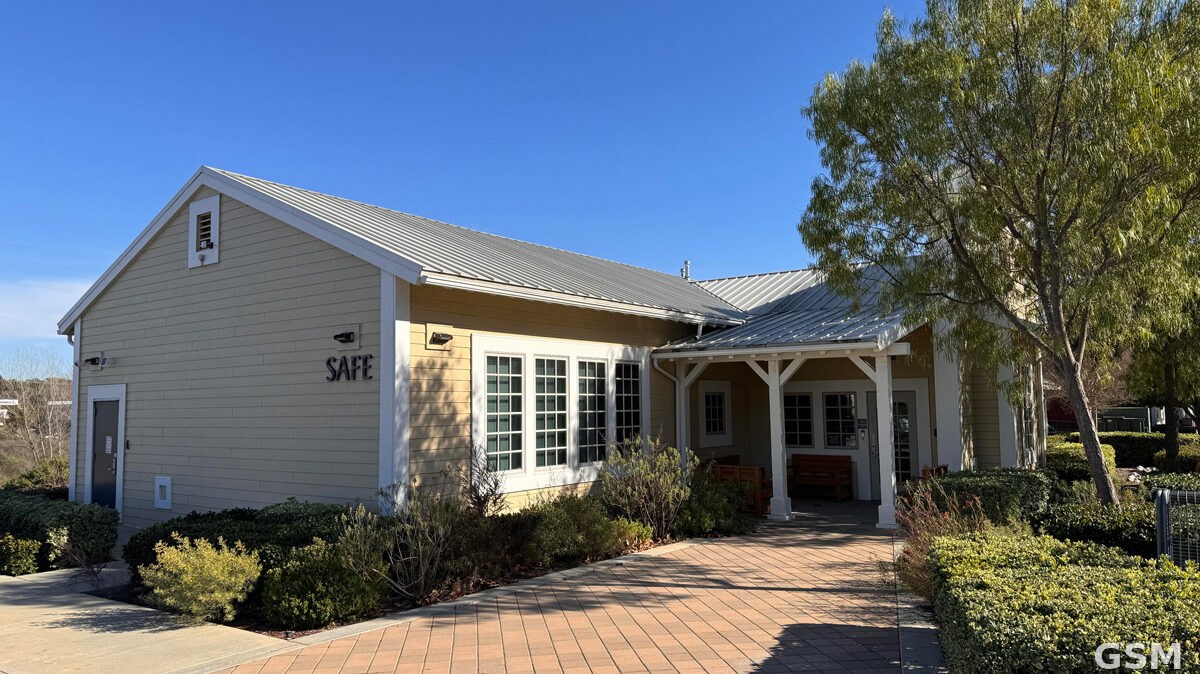
医疗之外,法律保护也要跟上。她随后走进河滨县的家庭司法中心(Family Justice Center,SAFE 家庭司法中心)——这类中心把受害者需要的受理、协助与转介集中在一处,包括协助准备保护令申请。之后她到法院申请并拿到了为期一年的限制令(restraining order)。
保护令不是终点。求助的这条路,从 2019 年到 2025 年,她走了六年。这六年是求助与纠缠并行的六年:报警、就医、走法院程序的同时,骚扰与拉扯并没有停,她一次次被往回拉,纠缠不清一直持续着——求助之路要走六年才走到 2025 年的五年禁止令,原因正在于此。这一年之后,她陆续看各种专科医生处理身体的问题,也申请到了 IHSS(In-Home Supportive Services,居家支持服务),日常生活有了照护衔接。2025 年,一年期限制令到期前,她再次向法院申请,拿到了为期五年的延期禁止令——在加州,家暴保护令到期前可以申请续延,一次续五年,或由法官裁定改为永久有效,且无须证明期间发生过新的虐待。这道 2025 年才拿到的五年禁止令,是她求助与纠缠并行的六年与幸存之路的枢纽——2019 年到 2025 年,她一步一步把治疗与保护都接上;跨过这道令之后,她才真正开始作为幸存者活下去。
不过,禁止令落了纸,骚扰并没有跟着停下。据她讲述,拿到五年禁止令之后,对方仍不死心:威胁、恐吓与骚扰换了方式继续——不再直接出面,而是借第三方与熟人之口、经与她相识的人辗转传话、施加压力;关于她的坏话,也被不停地散播出去;她还说,对方甚至在教孩子恨妈妈。禁止令把伤害挡在了纸面上,她的幸存,正是在这样的持续骚扰之下,一步一步开始的:法律的保护已经到位,生活的安宁,却还要一天一天慢慢争回来。
反过来说一遍
也是在这条求助之路上,她看到了对方写进法律文件的另一套故事。据她讲述,那套说法把一切都反了过来:他做过的事,一件件被安到她的头上——说她主动贴近他、拿怀孕生孩子谋求依附,说她偷他的钱、在外面另有男人,说她对他的父母动过手、虐待老人和孩子,损害他朋友的利益,甚至否认孩子是他的;就连她工作上经手过的客户的钱,也被写成是她偷走的——据她讲述,这一整套说法都是对方编造的,写进法律文件,就是要把她描绘成一个十恶不赦的人。她看着这些文字,整个人是发懵的:自己实实在在经历过的一切,被原封不动地调了个头。
直到后来走进专业心理咨询,她才学到:这些东西原来都有名字,是一整套被研究透了的手法。专业心理师向她逐项讲解了精神操控的十二种模式——对照下来,她经历过的好几项都在其中:用孩子牵制、经济上的卡控、与外界隔绝、长年的恐吓与威胁、贬损打压,以及出了事便否认、淡化、把责任推回她身上。专业人士又用「权力与控制轮」(Power and Control Wheel,出自 Duluth 模式)帮她把这些摆到一张图上:这些正是轮上的辐条——孤立、恐吓、情感贬损、经济控制、用孩子牵制、否认、淡化与甩锅、胁迫与威胁——全都围着轮心的权力与控制转。这一整套长期的、成系统的控制,专业上叫「胁迫性控制」(coercive control)——它不是哪一次争吵、哪一回动手,而是一种持续的控制状态。
她长年摆脱不掉的内疚与困惑,也有名字,叫「煤气灯操控」(gaslighting):被一遍遍告知错的是她、是她想得太多,久而久之,她连自己的感受都不敢相信。而法律文件里那套反过来的故事,专业人士告诉她,那叫 DARVO——「否认、攻击、反转受害者与加害者」(Deny, Attack, and Reverse Victim and Offender):先否认自己做过,再攻击说出来的人,最后把受害者与加害者的位置整个调换。听完这一课,她多年的困惑一下子通了:他在外人面前是个好人的样子、在她面前却凶神恶煞,他专挑她的性格与身体上最弱的地方攻击——在专业人士那里,这些都不是她的错觉,而是有名的手法;困住她的,从来不是她做错了什么。
在专业人士的帮助下,她的头脑一点点清楚起来,可身心受到的创伤已经很重:这十五年耗尽了她的身心灵、她的积蓄与事业,她甚至曾差点命丧异国街头。创伤的影响至今未消:她有严重的创伤后应激(PTSD),对人、对社交、对亲密关系,仍存着恐惧与害怕。她至今仍在治疗与恢复当中,也还在继续寻找更多身体、心理与精神层面的治疗方式——这条恢复的路,她知道还要走很久。
近期,她在 RUHS(Riverside University Health System,河滨大学卫生系统)继续看医生。如今的她,才刚刚开始作为幸存者活下去——仍在按医嘱用药、持续看病、逐步恢复,法律上的事情与身体的恢复,都还在路上。从 2009 年被拐、受控制的十年,到 2019 年起求助与纠缠并行的六年,再到 2025 年之后真正开始的幸存,她一步一步走到今天。
如今,她刚刚开始作为幸存者活下去,仍在慢慢恢复。往后,她还要面对仍在进行、相当复杂的法律程序,后面还有不少诉讼要走;她还需要更多的法律援助,希望能得到专业律师的协助。她也要继续走一段很长的恢复之路。她愿意把自己亲身走过的求助经历讲出来,做成给后来人的指引:遇到事情,第一步去哪、第二步找谁,写清楚,让后来的人少走弯路。
如今回头看,她说,走出来这件事,靠的从来不是硬撑,更不是运气,而是终于走到了专业的人面前。专业的人做专业的事:有危险,就打电话报警;要保护自己,就去法院申请保护令(restraining order);身体和精神受了伤,就去看医生、找对口的专科。不要病急乱投医,也不要再把希望放在劝解和忍耐上。她还有一句话,想留给每一个正在读这个故事的人:相信自己的感受。跟一个人在一起,如果感觉不好,那就是不好——不要怀疑自己的感受,也不要把情绪一层一层压下去。感觉不对,本身就是提醒;接下来要做的,是找到正确的办法和途径,一步一步,走到能真正帮到你的人面前。
她说,她相信上帝会还她清白——她的冤屈与苦楚,上帝都知道。她愿意把这段经历讲出来,是盼着还困在控制与虐待关系里的人,能早一点找到方向:先自救,再找对通道——专业的机构,以及政府与非营利组织的求助资源都在那里,不必再走她走过的那些弯路。
自救步骤清单
1. 有危险先报警:紧急时拨 911 报警,并保留报警记录、伤情照片、短信与聊天记录等证据,后续申请保护令要用。
2. 告诉家人或可信的人:不要独自承受,把处境说出来;让至少一个人知道发生了什么、你在哪里。
3. 危机时刻打热线:情绪撑不住时,拨全国自杀与危机热线 800-273-8255 或直接拨 988,24 小时有人接听。
4. 先就医,再做心理支持:尽快看医生处理伤情并留下医疗记录;之后接受心理咨询,必要时由医生或咨询师转介精神科,并与治疗师一起做一份安全计划(Safety Plan);家人若发现亲人状态不对,不要当作没病,及时陪诊送医。
5. 到家庭司法中心求助:Family Justice Center 一站式受理家暴求助,可协助准备保护令申请,不必自己跑多个部门。
6. 到法院申请保护令:保护令(restraining order)有期限;在加州,到期前可向法院申请续延,一次续五年,或由法官裁定改为永久有效,且无须证明期间发生过新的虐待。
7. 把生活支持接上:申请 IHSS 等居家与生活支持,按医嘱看专科、持续复诊,身体和心理的治疗都要跟进。
8. 给自己时间:从脱困到恢复可能以年计,一步一步来。
9. 求助也要防骗:只走正规机构与持证专业人士——家庭司法中心、官方热线、正规的咨询与医疗机构;凡是先开口要钱、张口就保证「包解决」的个人「帮助」,先核实对方的身份与资质,警惕受骗。
求助资源(河滨县及全国)
紧急情况:拨 911 报警。报警记录是申请保护令等后续一切保护的起点。
全国家暴热线:1-800-799-7233(24 小时,含中文等语言服务)。
全国自杀与危机热线:800-273-8255,或直接拨 988(24 小时)。
SSG 亚太裔咨询与治疗中心(APCTC):Moreno Valley 服务点,面向亚太裔居民提供双语(含普通话)心理咨询与转介,电话 (951) 405-8250。与治疗师一起做一份安全计划(Safety Plan),把紧急联系人、安全去处与求助步骤提前写清。
河滨县 SAFE 家庭司法中心(Family Justice Center):一站式受理家暴受害者求助,协助准备保护令申请。
向家人或可信的人求助:不要独自承受,把处境说出来,本身就是求助路径的一环。
(本稿为当事人自述案例,经当事人本人同意刊出;采访结束时,她要求不披露姓名——为保护当事人,文中不具名,亦不涉及施害者身份信息。)
关联:加州河滨县监事会颁布家庭暴力宣传公告:10月定为家庭暴力宣传月,附求助路径与官方视频
关联:蔡天凤谋杀案香港高院开审:邝家三父子否认谋杀 丈夫谭方骏连日作证
关联:跟进:蔡天凤案续审 家翁谭泽均出庭:曾交逾8000万港元予蔡天凤投资 邝球涉收「茶水钱」借钱未还
关联:前谷歌工程师陈立人杀妻案陪审团审判已于 10 月 12 日开审 预计约八周、11 月或有裁决
关联:跟进:谷歌工程师陈立人杀妻案新进展:辩方以案发时精神错乱为由申请无罪辩护
关联:湾区77岁华裔夫妻被控埋伏枪杀跨性别女婿 两人关押不得保释、10月19日出庭答辩
关联:跟进:Dublin 77岁华裔夫妻否认谋杀女婿指控 两人作无罪答辩、11月4日举行保释听证
关联:圣贝纳迪诺县 Victorville 男子涉嫌枪杀妻子、打伤继子 警长办公室以谋杀罪逮捕
关联:阿拉斯加州前军人Zarrius Hildabrand杀妻藏尸排水沟被判实际服刑59年:另有25年缓期,服满三分之二才可申请假释
关联:华盛顿男子枪杀女友被判20年:案发时另有两起家暴案未结、且被禁止接近受害人
关联:华盛顿州Spokane印第安保留地家暴惯犯Michael James Andrews被判15年:枪击亲密伴侣、唆使证人并藏匿枪支
关联:佛蒙特州参议员威廉姆斯涉家暴案10月28日传讯:经律师作无罪答辩,法官撤销保释金附条件释放
关联:前NFL回攻手帕特森在田纳西涉嫌家暴被捕 案件细节尚未公布
关联:家暴指控撼动俄亥俄铁杆共和党选区:众议员米勒选情从「稳赢」变「胶着」
关联:WRAL 资深制作人涉嫌违反家暴限制令:在电视台大厅被捕
关联:哈莉·贝瑞与前夫监护权听证:13岁儿子出庭作证数小时 双方各执一词 周二续审
关联:跟进:哈莉·贝瑞出庭作证:前夫马丁内兹一度离席 限制令听证尚无裁决
关联:跟进:哈莉·贝瑞与前夫听证第四天:马丁内兹被出示2024年宣誓声明 其曾称双方无家暴史
关联:跟进:哈莉·贝瑞限制令听证进入第二周:临时限制令延长至周末,女儿Nahla周一将远程作证
关联:跟进:Halle Berry限制令案10月27日庭审:法官驳回前夫Olivier Martinez重开证据动议,10月28日继续作证
关联:十月家庭暴力宣传月:2026年主题为「与幸存者同行」 内华达州发布州长宣言、波士顿(Boston)市议会通过决议
关联:加州河滨县监事会颁布三项宣传公告:婴儿安全睡眠、家庭暴力防治与11月全国护工月
关联:Orange County家庭司法中心20周年庆:为家暴受害者提供中文等9种语言服务
关联:纽森签署AB 1657:加州统一家暴临时保护令申请规则
关联:Columbus市政厅点亮紫光,百余人守夜纪念家暴受害者
关联:Detroit市长任命家暴倡导专员并签署行政指令 要求求助者找得到支持
关联:马里兰州投入近 6,000 万美元支持犯罪受害者服务机构
关联:新罕布什尔发布家暴死亡审查首份报告:近四年六成凶杀案与家暴有关,提11项改革
关联:玫琳凯艾施基金会今年拨款逾250万美元 力挺女性癌症研究与家暴庇护
关联:华盛顿特区市长在家暴意识月公布逾4,100万美元资助 45笔拨款支持幸存者服务
关联:俄亥俄州家暴致死一年 134 人:近半数死者当时正试图离开施暴者
关联:俄亥俄州长 DeWine 宣布家暴防治新计划:庇护所各获1.8万美元补助,并将制定全州执法响应标准
关联:澳大利亚签证品格审查新规10月31日生效:在澳纽带降权,家暴与仇恨行为从严
关联:佛罗里达州:Volusia 县上线全州首个家暴施害者记录数据库
关联:纽约州州长 Hochul 10月27日签署3项法律:私密影像受害者可隐藏住址、旅馆人口贩运信息违规将受罚
关联:旧金山市政厅前举行家暴防治集会:10月27日市政厅当晚亮起紫灯
Fifteen Years: From Abduction and a 911 Call to a Five-Year Restraining Order — One Chinese Woman's Road to Help
About this story: This is a true story. A Chinese woman tells how she went from being trafficked and controlled to calling the police, getting medical care, obtaining protective orders, and gradually recovering — a span of fifteen years (2009 to 2024). In her own reckoning, those years fall into three stretches: from 2009 to 2019, a decade spent under another's control; from 2019 to 2025, six years of seeking help while still being harassed, pulled at, and dragged back — the entanglement never stopped; and only after 2025 did she truly begin to live as a survivor. Domestic violence and coercive control follow a recognizable pattern: demands, isolation, manipulation, and treatment that alternated between coldness and intensity.
There is a defined path out, with an institution for each step: the police, family, doctors and counselors, a Family Justice Center, and a court-issued protective order. A step-by-step self-help checklist and full resource information appear at the end of this article — along with the one thing she most wants to tell those who come after her: find professional help early. This article tells how a victim, gravely harmed in body and mind, became — step by step, carried by professional resources all along the way — a survivor; and how living as a survivor, in truth, only began for her after 2025.
In her own summary, those fifteen years ran like this: from not understanding any of it, to fright, to flight, to helplessness; to being covered in wounds, and coming close to death more than once; and finally to recognizing the manipulation for what it was — and, after a long struggle, getting out.
Editor's note: Since the beginning of October, the editor-in-chief has spent nearly a month assembling the materials in this case and visiting and verifying, step by step, the places and services from which she sought help. We are publishing her account now. She does not wish her life to be disturbed. She chose to share it in the hope that anyone now experiencing physical or psychological violence in an intimate relationship will learn sooner where help can be found, and will not have to travel the painful road she did.
In 2009, she was trafficked. As she tells it, he had first come close to her through a faith they shared — he seemed like a work contact, or simply a good man, and she had no reason to be on her guard. She never imagined that what she was walking into was not an honest relationship but a chaotic romantic game. Taken away from everything familiar, she had little control over her own life in the years that followed: in 2011 she gave birth to a child; in 2013 she escaped — all the way to the United States. She felt she was fleeing for her life, finally leaving an environment that had been suffocating her: a new country, a new city, and what she hoped would be a new beginning. That same year, she gave birth again.
But in 2015, arguing that the child needed a complete family, he had her file a green-card petition to bring him to the United States. Everything she believed she had escaped followed her to the new country.
Once he arrived in the United States, the suffocating environment she had fled closed around her again. For a long time she was not even allowed to see a doctor. Problems of body and mind had to be endured alone. In a country entirely foreign to her, she did not know whom she could even speak to — still less that the country had institutions whose whole purpose was to help people like her.
The Years She Was Trapped: Demands, Isolation, and Control
Looking back, those years were not a string of accidents but a pattern of control, one link locked to the next. In her own words, that decade was "like ending up inside one of those scam compounds in Myanmar" — held in servitude, living like a slave. It began with her being taken away from everything familiar. Then came endless demands for money and things: she was treated as a provider, expected to meet every demand and every wish, and even the assets in her name were demanded of her.
Socially, she was used as a talking point in other people's conversations while being steadily cut off from the outside world — an isolation built up over years: he would not let her hear any word from outsiders that differed from his own; the only account she was allowed to hear was his own, repeated to her day after day. The children were used as leverage over her; even childbearing was not hers to decide; and she was forced to sign documents. Threats and intimidation, treatment that swung between coldness and intensity, and long-term psychological manipulation became the texture of daily life; when she fell ill, treatment was delayed and doctors were not allowed.
For a time, to reduce the harm done to her, she felt she had to pretend not to understand and to appear compliant. As she puts it, when every support a person has is cut away like that, bit by bit, and she spends years in a loneliness no one understands, both mind and body are dragged down — to a degree outsiders can scarcely comprehend.
It was not that she never ran. In those years she escaped more than once and moved from city to city, only to be found again, and the demands resumed. Only at the very end did she find her chance to get away for good. To protect the children, she had to give up her job and devote herself to caring for them. The provider being drained and the children's only support were the same person.
She came to understand that a boundary has to be set early. If someone is not right for you, or approaches you with an ulterior motive, refuse clearly and firmly. Do not rely only on running away or hiding, and do not meet demands under threat in the hope that giving something will make the harm stop. A person who causes harm over a long period, she says, will not stop because they have received something; nor will receiving it end the demands. The earlier the refusal, the more room remains to seek help and to leave.
As she tells it, the threats were not words spoken in a moment of anger. He openly declared that he would squeeze her dry — take everything she had — and that he would destroy her name and reputation; and year after year, threats and intimidation hung over her daily life in just this way. She is explicit on one point: none of this is something she invented after the fact. As she tells it, the police reports she made at the time recorded these threats and intimidation as well; these things rest on documented reports, not on her word alone. Nor did that pattern of threats and entanglement stop once she set out on the road to help; even after she obtained a restraining order, it went on in other forms.
The Words That Told Her to Endure
In her view, what trapped her was not only the person controlling her, but also a whole set of ideas she had heard since childhood: harmony in the family makes everything prosper; family shame must never be aired outside; when you are hurt, you swallow the tooth that has been knocked out, blood and all; once there are children, you endure all the more, for their sake; elders and authority are to be respected and obeyed; and when others weigh in on a marriage, the saying goes, "better to tear down ten temples than to break up one marriage" — people urge reconciliation, never separation.
In her faith life, too, what she heard taught to women was to be gentle, to be kind, to be submissive; and those words, too, later became reasons given to her to keep enduring and to hold the relationship together. Only slowly did she come to understand: this relationship had been wrong from the very beginning, and the wrong was not hers. When a person's body and mind have already been gravely harmed — when she can barely hold on — and everyone around her is still demanding that she "persist," that is not her predicament alone; many survivors have been trapped by exactly such words, one urging to endure after another.
As she later came to see it, the most painful part of seeking help was that no one could truly understand the state a survivor is in. People asked, again and again, why she did not leave, why she had not spoken sooner; few ever asked what she had actually been put through. That is why the one piece of advice she most wants to leave to those who come after her is this: when you notice that something is wrong with your body, and something is wrong with your state of mind, go early to professional people and professional institutions — a Family Justice Center, for example. The counsel of relatives and friends comes from kindness, but it cannot take the place of professional help.
She herself turned first to relatives and friends, and spent many years on detours before she finally stood in front of professional help; had she found the professionals at the very beginning, she says, she might have been spared years of suffering.
Back then, she had no idea that America had places like a Family Justice Center, or a whole system of agencies and procedures built for domestic-violence cases. She says that alone in a foreign country, with almost no one around her, she did not even know where the first step should land; there were few people she could talk to, and no one at all who truly understood what she was living through. For years she groped her way forward while enduring it all, and only at the very end did she reach the door of professional help.
As she later came to feel, people who do not understand do survivors a second kind of harm. She repeats the things bystanders so often say: "Hitting is affection; scolding is love." "It was only a few words — how much harm can that possibly do?" "We only speak to you this way because we care about you." "Just be submissive, just endure it — the children are this big already; give it a couple of years and it will be fine." In the eyes of those who do not understand, a person who has suffered all this and still cannot get out is just "being dramatic." But it is precisely those dismissive words, landing one after another on someone already gravely wounded, that she calls a second injury — at times harder to guard against than the violence itself.
What bewildered her further was that most of this discouragement was kindly meant — and yet the harm did not grow lighter for being kindly meant. It stacked, layer on layer: first the harm of being urged to reconcile, then the harm of being treated as dramatic — a second injury, a third, round after round. She says that, piled high enough, it becomes a despair of there being no door left to knock on. She had usually reached a very grave state before she finally came out to ask for help at all; and what she met, when the people facing her were not professionals, was not help but incomprehension, mockery, every kind of urging to reconcile, and interventions offered without understanding her situation.
In her view, this is the survivor's deepest predicament: there is no one who can empathize with, or even understand, the state she is in.
There is one more trap on the road to help, and she learned of it only by stepping into it: not everyone who says "I can help you" can be trusted. She says that she was already trapped in an abusive relationship, with nowhere left to turn, when she reached outward for help — and some who came in the name of help took her money instead. That happened to her more than once. For someone already living inside harm, even an offer of help made while she is asking to be rescued may not be reliable; it is a trap many survivors fall into, she says.
In her view, the comfort of faith has its limits, too. People at church cared about her and often told her, "We'll pray for you." She has never dismissed prayer — prayer has its place, she says — but prayer cannot take the place of action: a pastor is not a mental-health professional, and a person cannot simply wait, rely on prayer alone, and do nothing; the professional steps cannot be skipped, not one of them. A restraining order has to be applied for through the proper professional channels, so that legal protection actually takes hold. If your body has been injured, see a doctor and get a physical examination — wherever you were struck, have it checked for injury inside — and keep the findings as a formal medical record.
If your mind and spirit have been gravely traumatized, see a psychiatrist and receive psychotherapy; in serious cases, take medication as prescribed. Hers was such a case: in professional evaluations and testing, her depression, her PTSD, and her stress responses all registered as severe. She has words for sufferers — and for their families: when it has reached that point, do not try to tough it out; and families, do not assume that this person is not ill. Take her to a doctor in time, get her treated in time, start the medication in time, and begin professional counseling and therapy in time.
What she came to understand is this: only when the body, the mind, and the spirit are all held in professional care can a person slowly walk out of a relationship marked by this kind of harm. And because such a relationship is formed over many years, undoing it cannot happen overnight — you can only give yourself time, and take it one step at a time. It is the same as with any other specialty, she says: no one takes a shattered bone to a dentist, and no one takes an eye problem to a pediatrician — every field has its own specialists. The psychological and spiritual wounds left by domestic violence likewise call for the right profession; do not grasp at just any doctor in desperation.
If it is the relationship that is broken, then it is the relationship that must be dealt with.
That conclusion came only after she had tried every road she could try. She had a child, and it did not make him stop. She gave him money, gave him what he wanted, and it did not make him stop. She fled to America, moved from city to city, and it did not make him stop. She separated from him and lived apart for a long time, raising the child on her own as a single mother — and still it did not make him stop; he kept coming back to harass her. As she sees it, this was never a dispute that reason could untangle. It was his endless assertion of power over her — and as long as that assertion stood, nothing she did could free her from it.
As she tells it, behind that assertion stood a set of assumptions he treated as a matter of course. In his reckoning, everything in her name — all her property, her body, her heart and her spirit, and even what she had built up, little by little, by her own efforts — belonged to him and to his family, as their private property. He could take from her anything he wanted, at any time and at any place; and what she was there for, in his mind, was to satisfy his every wish.
As she tells it, that reckoning reached into every cent she spent: since she was wholly his in his view, any money she spent was his money on the move — barring her from seeing a doctor was barring her from spending his money on her own treatment, and barring her from seeing her family was keeping his money from flowing to them. In her eyes, his whole family thought this way. Put together, denying her medical care and isolating her socially were, in his logic, a single act: guarding what he counted as his property. As she describes it, he held himself high above her in that relationship — like an emperor seated on a shrine, expecting her worship and her offerings.
In her eyes, though, he was in truth a man who never stopped taking: a parasite, she says, living off her property, her labor, and her life. As she tells it, that logic had one more turn: anyone who came near her, anyone willing to help her, was in his eyes a "bad person" set against him — because, in his reckoning, to help her was to lay a hand on his private property. The people around her who had been willing to draw close and lend a hand, she says, were smeared and cut off, one by one, for exactly this reason. And in his eyes, as she tells it, she was never a person on equal footing with him: she was a money tree he could keep taking from, a tool for bearing children, a slave he could control completely — a private possession.
And in his reckoning, everything she had was, in turn, something he had 'bestowed' on her: the children were his gift to her; the chance to work was his to give; her ability to earn, and the money she earned, were his achievement; if the family grew better off, that too was his doing. As she tells it, the truth ran the other way: after he met her, he never again held a regular job at a company — and he still hasn't, to this day — doing only odd work in services and management; he called himself a man of a higher level, someone meant to be a boss, and having taken her company, he told people he was its owner; in truth, though, he lived mainly on money he asked from her. He paid nothing toward the wedding or the bride price, and carried no responsibility at all.
What he did was have her pay for everything, and then call everything in her name his own — even when she was in childbirth, he waited for her to wake and had her settle the bill. In his reckoning, the girl was free, the marriage was free, the children were free; the house, the car, the children, the everyday everything — all of it was free, and all of it was his. He never seemed to think that those bills had, all along, been paid by her. By his account, the ledger ran one step further: the opportunity had been his to give, and what she could earn, she earned because of him — 'giving her the chance' was itself his investment. On that logic, every sum she earned already carried his share, and her handing money to him was not support, but simply what was owed.
As she puts it, at bottom this was his philosophy of life: in his eyes, he was born to be the emperor, and being served and provided for by others was simply his due.
Only later did she slowly come to understand: a relationship marked by this kind of harm cannot be ended by running from it on her own — she had run, and been found. It cannot be cut off by her family's help either — what family can give is comfort and a temporary place to land; it cannot by itself bring the demands and entanglement to an end. Even divorce, even separation, cannot by itself put a complete stop to all of it. What truly helps a person out of such a trapped state is two things intervening at the same time: the law — calling the police, applying for a protective order, so that protection rests on a clear legal basis — and professional help — doctors, counselors, psychiatry, and the Family Justice Center, catching the body and the mind, piece by piece.
Neither path on its own, she says, is enough to walk out.
The turning point came at the end of 2018. That year, after an incident of domestic violence, she called the police — the first stirrings of seeking help: the police report created a record, and every protection that followed started from that step. In 2019, she set out in earnest on the road to help. She reached out to her family for help. At her lowest point, she called the national suicide crisis line, 800-273-8255 (now also reachable by dialing 988), and received help. As she puts it, this is how she was helped, step by step.
In 2019, she finally began seeing doctors. She first consulted mental-health professionals in China, and then found a bilingual clinical therapist at SSG's Asian Pacific Counseling & Treatment Centers (APCTC). Under her therapist's care, she was referred to a psychiatrist, and professional treatment for her mental health continued from there. APCTC's Moreno Valley location provides bilingual (including Mandarin) counseling for Asian Pacific residents; it was the first place locally where she could get professional help in her own language. For her, counseling came to mean more than treatment: it was after finding a counselor that she learned to refuse the endless demands — to say no — and slowly woke up from years of manipulation.
Alongside medical care, legal protection had to follow. She next went to Riverside County's Family Justice Center (the SAFE Family Justice Centers), where intake, assistance, and referrals for victims are gathered in one place, including help preparing a restraining-order application. She then went to court and obtained a one-year restraining order.
The order was not the end of the road. The road to help took six years, from 2019 to 2025 — years of seeking help while still being harassed, pulled at, and dragged back: even as the police reports, the medical care, and the court proceedings moved forward step by step, the entanglement never stopped. That is why it took six years to reach the five-year order of 2025. After that year, she saw a series of specialists for her physical health and obtained IHSS (In-Home Supportive Services) to support daily living.
In 2025, before the one-year order expired, she applied to the court again and received a five-year extension of the protective order — in California, a domestic-violence restraining order can be renewed before it expires — for five years, or permanently if the court so orders — without having to prove new abuse. That five-year order, granted only in 2025, is the hinge between her six years of seeking help while the entanglement never stopped and her life as a survivor: from 2019 to 2025 she connected treatment and protection, step by step, and only after crossing that threshold did she truly begin to live as a survivor.
Yet once the order was on paper, the harassment did not stop with it. As she tells it, after the five-year order was granted, he still would not let go: the threats, intimidation, and harassment continued in a different form — no longer delivered directly, but passed through third parties and acquaintances, relayed by people who knew her, carrying pressure on his behalf; the bad words about her kept spreading, without pause; and, she says, he even taught the child to hate her mother. The restraining order held the harm back on paper; her life as a survivor began under precisely this continuing harassment — the law's protection was in place, while peace in her everyday life still had to be won back, day by day.
The Story Told in Reverse
It was also along this road to help that she saw the other story — the one set down in legal filings. As she tells it, that account turned everything around: the things he had done were laid, one by one, at her door. She had schemed to attach herself to him, they said; she had used pregnancy and children to secure her place; she had stolen his money and had another man; she had raised a hand to his parents, mistreated the elderly and the children, and harmed the interests of his friends; he even denied that the children were his. Even the money of clients she had handled in her work was written down as money she had stolen — as she tells it, the entire account was fabricated and put into legal filings to paint her as a woman beyond redemption.
Reading those words, she was stunned: everything she had actually lived through had been turned, intact, in the opposite direction.
Not until she was sitting with professional counselors did she learn that all of this had names — that it was a system of techniques, studied and understood. The professionals walked her, item by item, through twelve patterns of psychological manipulation; measured against her own life, she recognized her experience in pattern after pattern: children used as leverage, money used as a choke point, isolation from the outside world, years of intimidation and threats, belittling and tearing down, and — whenever anything happened — denial, minimizing, and the blame pushed back onto her.
The professionals then laid these out for her on the Power and Control Wheel (from the Duluth model): the patterns she knew were the wheel's spokes — isolation, intimidation, emotional abuse, economic abuse, using children, minimizing, denying and blaming, coercion and threats — all of them turning around the hub of power and control. A pattern of control this long-running and systematic, they told her, is called coercive control: not any single quarrel or any single incident, but a continuing state of control. Her years of guilt and confusion had a name, too — gaslighting: being told, again and again, that she was the one at fault, that she was imagining things, until she no longer dared to trust her own feelings.
And the reversed story in the filings had a name as well: DARVO — Deny, Attack, and Reverse Victim and Offender: first deny what was done, then attack the person who speaks of it, and finally swap the places of victim and offender altogether. When it had all been laid out for her, years of bewilderment suddenly made sense: that he could seem a good man in front of others and a menace in front of her, that he always struck at the weakest places in her character and her body — to the professionals, none of this was her imagination; these were known techniques. What had trapped her was never that she had done something wrong.
With the professionals' help, her head cleared, little by little. But the harm done to her body and her mind was already grave: those fifteen years had drained her body, mind and spirit, her savings and her career — and at one point she nearly died on the streets of a foreign country. The effects of the trauma are still with her: she lives with severe post-traumatic stress (PTSD), and still feels fear toward people, toward social interaction, and toward intimate relationships. She is still in treatment and still recovering, and she is still looking for further treatment — for the body, for the mind, and for the spirit. She knows the road of recovery ahead of her is still long.
Recently, she has been seeing doctors at RUHS (Riverside University Health System). Today, she has only just begun to live as a survivor — still taking medication as prescribed, still continuing treatment, with legal matters and recovery both still on the road ahead. From being trafficked in 2009 and a decade under control, to six years, beginning in 2019, of seeking help while the entanglement never stopped, to a survivor's life that truly began only after 2025, she has come step by step to today.
She has only just begun to live as a survivor, and remains in recovery today, taking it step by step. Ahead of her are legal proceedings that are still under way and complicated, with more litigation still to come; she needs further legal aid, and hopes that lawyers in this field will be able to assist her. A long process of healing lies ahead of her as well. She has chosen to set down the road to help that she herself had to find as guidance for those who come after her: when something happens, where to go first and whom to turn to next, written out clearly so others can avoid some of the detours she took.
Looking back now, she says, getting out was never a matter of sheer endurance, and never a matter of luck. It happened when she finally stood in front of people who knew what they were doing. Let professionals do what professionals do: if you are in danger, call the police; to protect yourself, go to court and apply for a restraining order; when your body and your mind are hurt, see a doctor — the right specialist. Do not grasp at any remedy in desperation, and do not go on placing your hopes in persuasion and endurance. And she has one more thing she wants to say to everyone reading her story: trust your own feelings. If being with someone feels bad, then it is bad — do not doubt what you feel, and do not keep pressing your feelings down, layer upon layer.
A feeling that something is wrong is itself the warning; what comes next is to find the right way and the right path, and walk, step by step, to the people who can truly help.
She says that she believes God will restore her innocence — that God knows the wrongs done to her and all that she has suffered. She tells her story in the hope that people still trapped in controlling, abusive relationships will find their direction sooner: rescue yourself first, and find the right channels — professional institutions, and the help offered by government and nonprofit organizations — without walking the years of detours she walked.
Self-Help Checklist: Steps You Can Take
1. Call the police first if you are in danger: Dial 911, and keep the police report, photos of injuries, and text or chat records — you will need them when applying for a protective order.
2. Tell family or someone you trust: Do not carry it alone. Let at least one person know what is happening and where you are.
3. Call a crisis line in the hardest moments: The National Suicide & Crisis Lifeline is 800-273-8255, or simply dial 988 — answered 24 hours a day.
4. See a doctor, then get psychological support: Get injuries treated promptly and keep the medical records. Then seek counseling; if needed, a doctor or counselor can refer you to a psychiatrist. Make a Safety Plan with your therapist. Family members: if you see that something is wrong with a loved one's state, do not treat it as though she is not ill — accompany her to a doctor and get her treated in time.
5. Go to a Family Justice Center: It takes domestic-violence cases in one place and can help you prepare a protective-order application, so you do not have to run from office to office.
6. Apply to the court for a protective order: A restraining order has an expiration date. In California, you can apply to renew it before it expires — for five years, or permanently if the court so orders — without having to prove new abuse.
7. Connect the support for daily life: Apply for IHSS and other in-home and living support, see specialists as directed, and keep follow-up appointments — physical and psychological treatment both take time.
8. Give yourself time: Going from escape to recovery can take years. Take it one step at a time.
9. Guard against fraud while seeking help: Go only to established institutions and licensed professionals — a Family Justice Center, official hotlines, reputable counseling and medical providers. If an individual's "help" begins with a demand for money, or comes with a promise that they can "fix everything," verify that person's identity and credentials first, and beware of being cheated.
Help Resources (Riverside County and Nationwide)
In an emergency, call 911. A police report is the starting point for restraining orders and other protections.
National Domestic Violence Hotline: 1-800-799-7233 (24 hours, with services in Chinese and other languages).
National Suicide & Crisis Lifeline: 800-273-8255, or dial 988 (24 hours).
SSG Asian Pacific Counseling & Treatment Centers (APCTC): Moreno Valley location; bilingual (including Mandarin) counseling and referrals for Asian Pacific residents; phone (951) 405-8250. Ask about making a Safety Plan with a therapist — write down emergency contacts, safe places, and steps in advance.
Riverside County SAFE Family Justice Centers: one-stop help for domestic-violence victims, including assistance preparing restraining-order applications.
Tell family or someone you trust: asking people close to you for help is itself a step on the path.
(This case is published with the subject's own consent. At the end of the interview, she asked that her name not be disclosed; to protect her, she is not named, and no identifying information about the perpetrator is included.)
Related: Google Engineer's Wife-Murder Case: Liren Chen Seeks Not-Guilty Plea on Insanity Grounds
Related: Victorville Man Arrested on Suspicion of Murder After Wife Fatally Shot and Stepson Wounded
Related: D.C. Man Sentenced to 20 Years for Shooting Death of His Girlfriend
Related: Former NFL Returner Cordarrelle Patterson Arrested in Tennessee on Suspicion of Domestic Assault
Related: Abuse Allegations Shake a Safe GOP District in Ohio: Rep. Miller's Seat Turns Competitive
Related: Veteran WRAL Producer Arrested in TV Station Lobby Over Alleged Domestic Violence Order Violation
Related: Orange County Family Justice Center Marks 20 Years; Multilingual Help Including Chinese
Related: Newsom Signs AB 1657, Unifying DV Restraining-Order Rules Statewide
Related: More Than 100 Gather at Columbus City Hall for Domestic Violence Vigil
Related: Detroit Mayor Appoints DV/IPV Advocate and Signs Executive Directive
Related: Maryland Invests Nearly $60 Million in Victim Service Providers
Related: 134 Killed in Domestic Violence Incidents in Ohio in a Year: Nearly Half Were Trying to Leave
Related: Florida: Volusia County Launches State's First Domestic Abuse Offender Database
来源:GSM·美国(原文链接)
图片来源:图:河滨县 SAFE 家庭司法中心位于特梅库拉市的中心外景,墙上可见 SAFE 标识。照片来源:SAFE Family Justice Centers 官方网站。 / Photo: Exterior of the SAFE Family Justice Centers location in Temecula, Riverside County, with the SAFE sign visible on the building. Photo via the official SAFE Family Justice Centers website.