常见金融诈骗手法及求助方式:冒充亲友、冒充银行与政府、退款诈骗、投资骗局与房产电汇诈骗
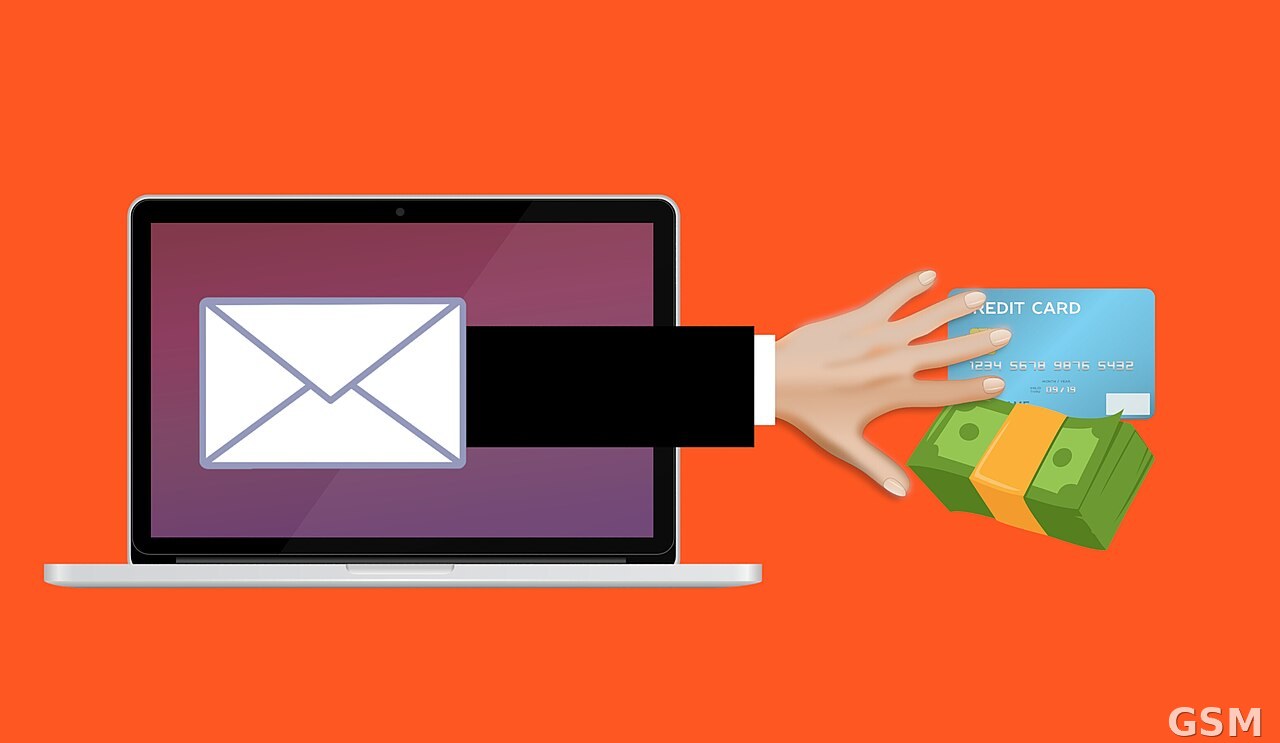
在美国,金融诈骗多从一通电话、一条短信、一封邮件或社交平台上的一次搭话开始,手法归结起来是两点:冒充一个你信任的人或机构,再用「紧急」逼你来不及核实就转账。本文依据联邦贸易委员会(FTC)、联邦调查局(FBI)、司法部与加州金融保护与创新部(DFPI)等机构的公开说明,整理最常见的金融诈骗手法与官方求助方式。
一、常见手法
1. 冒充亲友紧急求助(「祖父母骗局」):骗子冒充孙辈、子女或其「律师」,称出车祸、被捕、被扣在国外,急需汇钱救人,甚至用超级智能(SI)技术仿冒亲人的声音。识别办法:先挂断,用家里原有的号码回拨本人或家人确认;平时与家人约定一句只有自家人知道的暗号。
2. 冒充政府机构:冒充国税局(IRS)称欠税、不付就逮捕;冒充社安局(SSA)称社安号码被冻结;冒充法院、警察或联邦机构要求「配合调查」转账。事实是:美国政府机构不会打电话要求立即付款,更不会要求用礼品卡、电汇或加密货币付款;国税局追缴欠税先寄正式信函,不会以电话索款开场。
3. 冒充银行与支付平台:假冒银行风控部门发短信、打电话,称账户有异常交易,诱导点击链接、报出验证码,或把钱转到所谓「安全账户」;也有冒充支付平台客服诱导 Zelle 等即时转账。事实是:银行不会要求客户把钱转去「自保」,验证码只属于本人、任何人索要都是诈骗。核实的正确做法是挂断后拨打银行卡背面的官方电话。
4. 退款与赔偿诈骗:冒充监管机构或平台,称有一笔退款、赔偿金可领,但要先交手续费、保证金,或索要银行账户信息。联邦贸易委员会明确表示:该委员会从不要求消费者付费领取退款。本站今日报道的 Cleo AI 退款案中,212 万余名用户正经 PayPal 领取官方退款,这类真退款不需要任何人代领收费(见文末关联)。
5. 投资与交友引流骗局(「杀猪盘」):在社交平台、交友软件上结识,逐步引到虚假的加密货币、外汇或股票平台,先让小额「盈利」可提款,再诱使大额投入,最后以缴「税费」「解冻费」为名继续索钱、随即消失。高回报、保本、只许投不许提,都是警报。
6. 房产交易电汇诈骗:买房交割前夕,骗子冒充房产经纪、贷款经纪或产权公司,用几可乱真的邮箱发来「更改后的汇款指令」,把购房款汇入骗子账户。防范办法只有一条:汇款账户只以电话向此前就认识的人、用原有号码口头逐字复核,绝不按新邮件里的号码联系、绝不只凭邮件改汇款去向。
7. 报税与身份盗窃:冒用他人的社安号码抢先报税领走退税,或假冒报税员窃取资料。纳税人可向国税局申请身份保护个人识别码(IP PIN),没有码就无法以你的名义电子报税。
8. 支付方式红线:凡是要求用礼品卡、电汇、加密货币、邮寄现金付款的「机构」「客服」「执法人员」,几乎可以确定是诈骗——正规机构不用这些方式收款。
二、已经转账或泄露信息,按这个顺序处理
1. 立即联系自己的银行或发卡行:拨打卡片背面的电话,申请止付、撤销电汇、冻结账户并更改密码。动作越快,追回机会越大。
2. 电汇被骗尤其要抢时间:尽快向 联邦调查局(FBI)网络犯罪投诉中心 报告,FBI 设有与金融机构协作冻结涉案电汇的机制,及时报告有机会在款项转走前冻结(不保证追回)。
3. 向当地警察局报案并留存报案记录;保存好短信、来电号码、邮件、聊天记录与转账凭证,这些是银行、警方与监管机构处理案件的依据。
4. 个人信息已泄露的:到 联邦身份盗窃求助网站 按步骤生成个人恢复计划;并向 Equifax、Experian、TransUnion 三家信用局申请免费信用冻结,防止他人以你的名义开户贷款,操作说明见 联邦贸易委员会信用冻结说明。
三、官方求助与举报渠道
举报诈骗:联邦贸易委员会(FTC)诈骗举报网站,或拨打 FTC 电话 1-877-382-4357。
网络犯罪(含电汇、投资平台诈骗):联邦调查局(FBI)网络犯罪投诉中心(IC3)。
冒充国税局:税务总监察长热线 1-800-366-4484。冒充社安局:社安局监察长办公室热线 1-800-269-0271。
60 岁以上长者:司法部全国长者防诈骗热线 1-833-372-8311(周一至周五美东时间上午 10 点至下午 6 点,有多语言服务);AARP 欺诈监察求助热线 1-877-908-3360。
银行、贷款与金融产品纠纷:消费者金融保护局(CFPB)投诉页面。
加州居民:加州金融保护与创新部(DFPI)防诈骗页面。人身或财产正面临现实危险时,先拨打 911。
关联:
加州金融保护与创新部发布防诈骗短片:骗子冒充孙辈索钱,警惕「祖父母骗局」
联邦贸易委员会向212万余名Cleo AI用户发放逾1580万美元退款:10月27日起经PayPal支付,30天内须领取
来源:GSM·美国
Common Financial Scams and Where to Get Help: Impostor Calls, Fake Banks and Agencies, Refund Scams, Investment Fraud and Real-Estate Wire Fraud
In the United States, most financial fraud starts with a phone call, a text message, an email or a conversation on social media. The methods reduce to two moves: impersonate a person or institution you trust, then use urgency to make you transfer money before you can verify. Drawing on public guidance from the Federal Trade Commission (FTC), the Federal Bureau of Investigation (FBI), the Department of Justice and California's Department of Financial Protection and Innovation (DFPI), this guide lists the most common financial scams and the official channels for help.
Common methods
1. Impersonating family in an emergency (the "grandparent scam"): Scammers pose as a grandchild, a child, or their "lawyer," claiming a crash, an arrest or detention abroad and an urgent need for money; some use super intelligence (SI) technology to imitate a relative's voice. What to do: hang up and call the person or family back on a number you already have; agree on a family code word in advance.
2. Impersonating government agencies: Fake Internal Revenue Service (IRS) calls claiming taxes are owed and arrest is imminent; fake Social Security Administration (SSA) calls claiming your Social Security number is suspended; fake courts, police or federal agents demanding transfers "for an investigation." In fact, U.S. government agencies do not call demanding immediate payment, and never ask for payment by gift card, wire transfer or cryptocurrency; the IRS contacts taxpayers about money owed by official mail first, not by a payment demand over the phone.
3. Impersonating banks and payment platforms: Fake fraud-department texts and calls claim suspicious activity and push you to click a link, read out a verification code, or move money to a so-called "safe account"; others pose as payment-app support and steer victims into instant transfers such as Zelle. In fact, banks never ask customers to move money "for protection," and a verification code belongs to you alone — anyone asking for it is a scammer. To verify, hang up and call the number printed on the back of your bank card.
4. Refund and payout scams: Impostors claim a refund or settlement payment is waiting, but first demand a handling fee or bank details. The FTC states plainly that it never asks consumers to pay to receive a refund. In the Cleo AI case reported by GSM today, more than 2.12 million users are receiving genuine refunds through PayPal — and no one needs to pay an intermediary to claim one (see Related below).
5. Investment and romance-driven fraud ("pig butchering"): Contact begins on social media or dating apps and moves to fake cryptocurrency, forex or stock platforms. Small "profits" can be withdrawn at first; then come pressure for larger deposits and demands for "taxes" or "unfreezing fees" before the operation vanishes. Guaranteed high returns and deposits that cannot be withdrawn are red flags.
6. Real-estate wire fraud: Just before closing, criminals impersonate the buyer's agent, lender or title company with a near-perfect email carrying "updated wiring instructions," diverting the purchase funds. The one reliable defense: verify wiring details by voice, on a phone number you already had, with a person you already know — never use contact details from the new email and never change a wire destination based on email alone.
7. Tax and identity theft: Criminals file tax returns with stolen Social Security numbers to steal refunds, or pose as tax preparers to harvest data. Taxpayers can request an Identity Protection PIN (IP PIN) from the IRS; without it, no one can e-file a return in your name.
8. The payment red line: Any "agency," "support agent" or "officer" who demands payment by gift card, wire transfer, cryptocurrency or mailed cash is, with near certainty, a scammer — legitimate institutions do not collect money this way.
If you have already sent money or shared information, act in this order
1. Contact your own bank or card issuer immediately, using the number on the back of the card: request a stop payment or wire recall, freeze the account and change passwords. The faster you act, the better the chance of recovery.
2. Wire fraud is a race: report promptly to the FBI Internet Crime Complaint Center (IC3). The FBI works with financial institutions to freeze fraudulent wires; a fast report can freeze funds before they disappear, though recovery is not guaranteed.
3. File a report with your local police department and keep the report number; preserve texts, caller numbers, emails, chat records and transfer receipts — banks, police and regulators all need them.
4. If personal information was exposed: build a personal recovery plan at the federal identity theft help site, and place free credit freezes with Equifax, Experian and TransUnion so no one can open credit in your name; see the FTC guide to credit freezes and fraud alerts.
Official help and reporting channels
Report fraud: the FTC fraud reporting website, or call the FTC at 1-877-382-4357.
Internet crime, including wire and investment-platform fraud: the FBI Internet Crime Complaint Center (IC3).
IRS impersonation: Treasury Inspector General hotline 1-800-366-4484. SSA impersonation: Social Security Office of the Inspector General hotline 1-800-269-0271.
Adults 60 and older: the Department of Justice National Elder Fraud Hotline, 1-833-372-8311 (Monday to Friday, 10 a.m. to 6 p.m. Eastern, multilingual service); the AARP Fraud Watch Network Helpline, 1-877-908-3360.
Banking, loan and financial-product complaints: the Consumer Financial Protection Bureau (CFPB) complaint page.
California residents: the DFPI fraud and scam awareness page. If a person or property is in immediate danger, call 911 first.
Related:
California Financial Regulator Releases Anti-Scam Video Warning of the 'Grandparent Scam'
Source: GSM · America
来源:GSM·美国(原文链接)
图片来源:图:网络钓鱼与金融诈骗示意图(CC0 公共领域,Wikimedia Commons)。Illustration of phishing and financial fraud (CC0, public domain, via Wikimedia Commons).