白宫版美国历史(八):冷战、民权与登月 从杜鲁门主义到柏林墙倒塌 1945–1991
【开栏语】「白宫版美国历史」连载第八章:1945年至1991年——美苏对峙近半个世纪;这期间,美国登上了月球,也在自己的街头把宪法承诺逐条兑现。
【本章大事记】
1947年,杜鲁门主义提出;马歇尔计划启动
1950年,朝鲜战争爆发(至1953年停战)
1954年,联邦最高法院「布朗诉教育委员会」案裁定种族隔离违宪
1964年,《民权法案》通过
1969年,阿波罗11号登月
1989年,柏林墙倒塌
1991年,苏联解体,冷战结束
一、冷战的格局
二战一结束,美苏同盟随即瓦解。1947年,杜鲁门总统提出「杜鲁门主义」:美国将援助抵抗外部压力的人民;同年推出的马歇尔计划以约130亿美元帮助西欧复苏,「遏制」苏联扩张成为此后数十年的总战略。
1949年北约成立,苏联试爆原子弹,中华人民共和国成立。1950年朝鲜战争爆发,美军以联合国军名义参战,1953年停火于三八线,美军阵亡约3.6万人。
在国内,对共产主义的恐惧催生麦卡锡主义,大批公务员、教师与艺人因莫须有的指控丢了工作。1962年古巴导弹危机,把世界带到核战边缘,又在13天后退回。
二、富裕与焦虑的五十年代
战争一代靠《退伍军人法案》读大学、买房子:联邦住房贷款让郊区住宅成片建起,「婴儿潮」一代——约7600万人——在这一时期出生。
电视走进客厅,州际公路系统自1956年起把全国连成一张路网,汽车、快餐与购物中心定义了新的生活方式。
繁荣之下是焦虑:核武器的阴影压在每个学童的课桌演习上;1957年苏联率先发射人造卫星,又把竞赛推向太空。
三、民权运动
1954年,联邦最高法院在「布朗诉教育委员会」案中一致裁定:公立学校的种族隔离违宪。1955年,Montgomery市的罗莎·帕克斯因拒绝让座被捕,全市黑人以罢乘公交回应,长达381天。
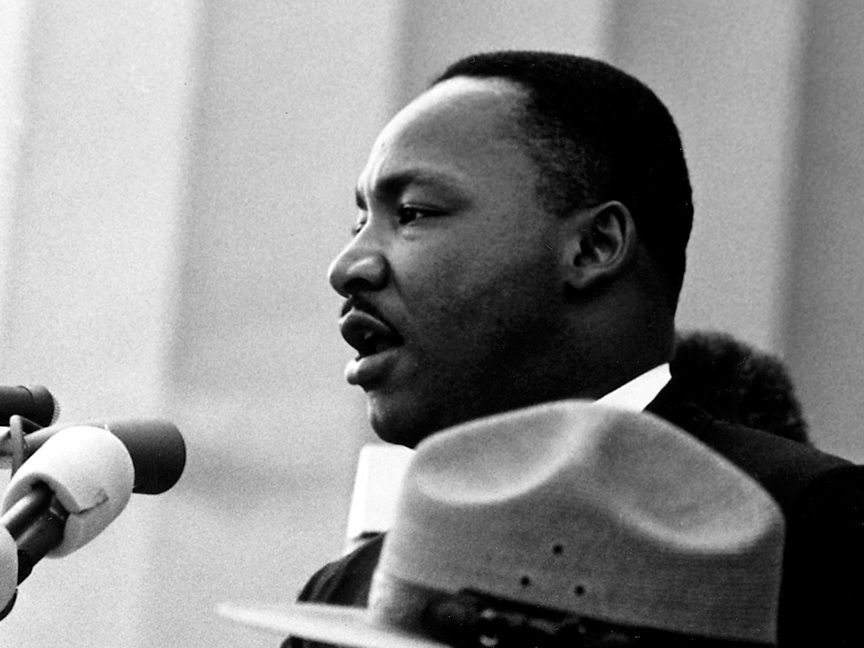
1960年,大学生以静坐占领实行隔离的午餐柜台;1963年,25万人进军华盛顿,马丁·路德·金在林肯纪念堂前说出《我有一个梦想》。次年《民权法案》通过,禁止公共场所与就业中的种族歧视;1965年《选举权法》扫除了黑人投票的障碍。
运动随之扩展:墨西哥裔农场工人、妇女、原住民与残障人士相继走上街头,要求同样的平等。
四、登月、动荡与冷战终结
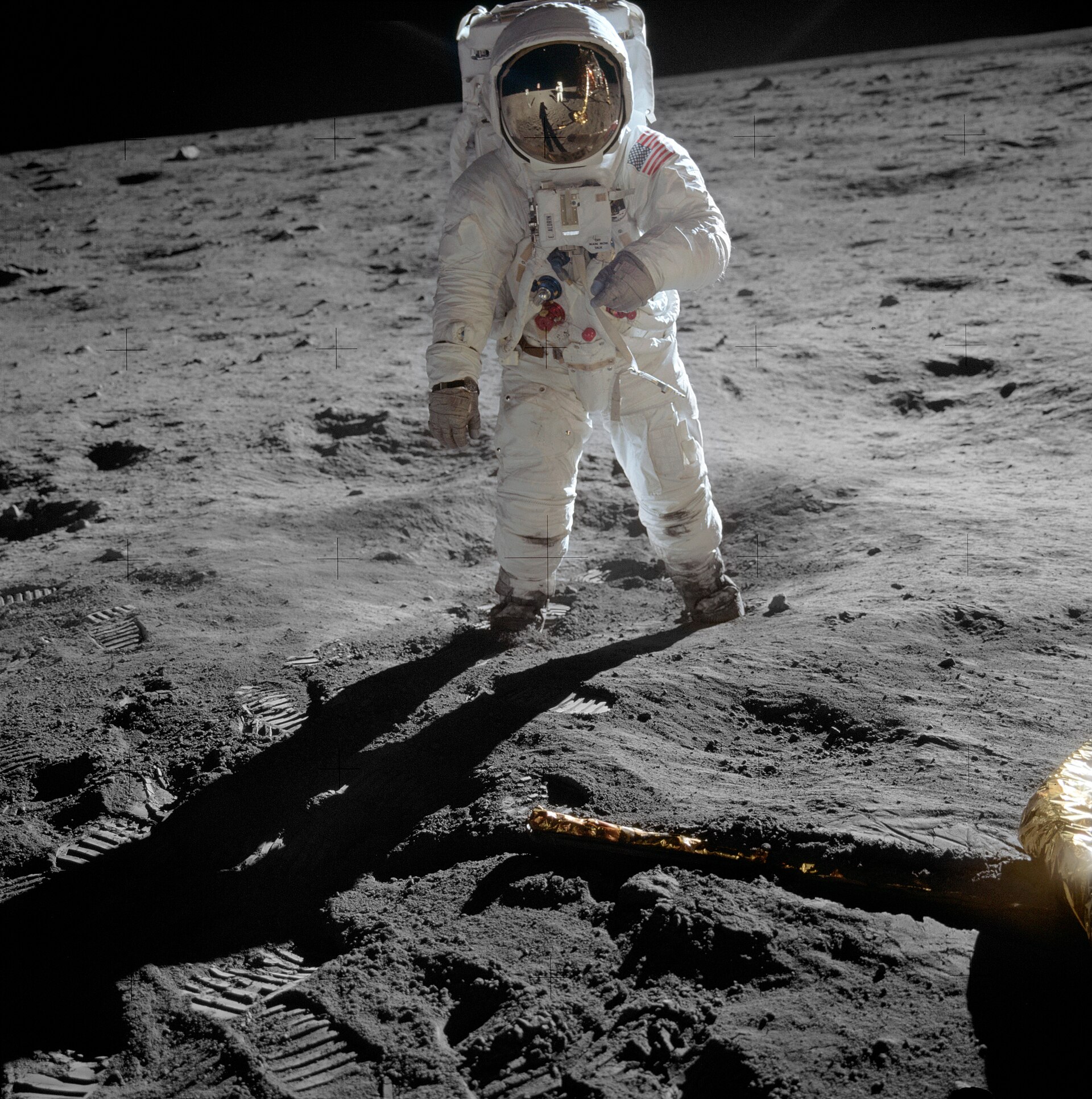
1969年7月20日,阿波罗11号着陆月球,阿姆斯特朗与奥尔德林成为最先踏上月面的人,约6亿人通过电视见证。太空竞赛的这一程,美国赢了。
同一个十年里,越南战争把社会撕开:超过58,000名美军阵亡,国内抗议不息;1973年美军撤出,1975年西贡陷落。水门事件则在1974年迫使尼克松辞职——宪法程序经受住了总统本人的考验。
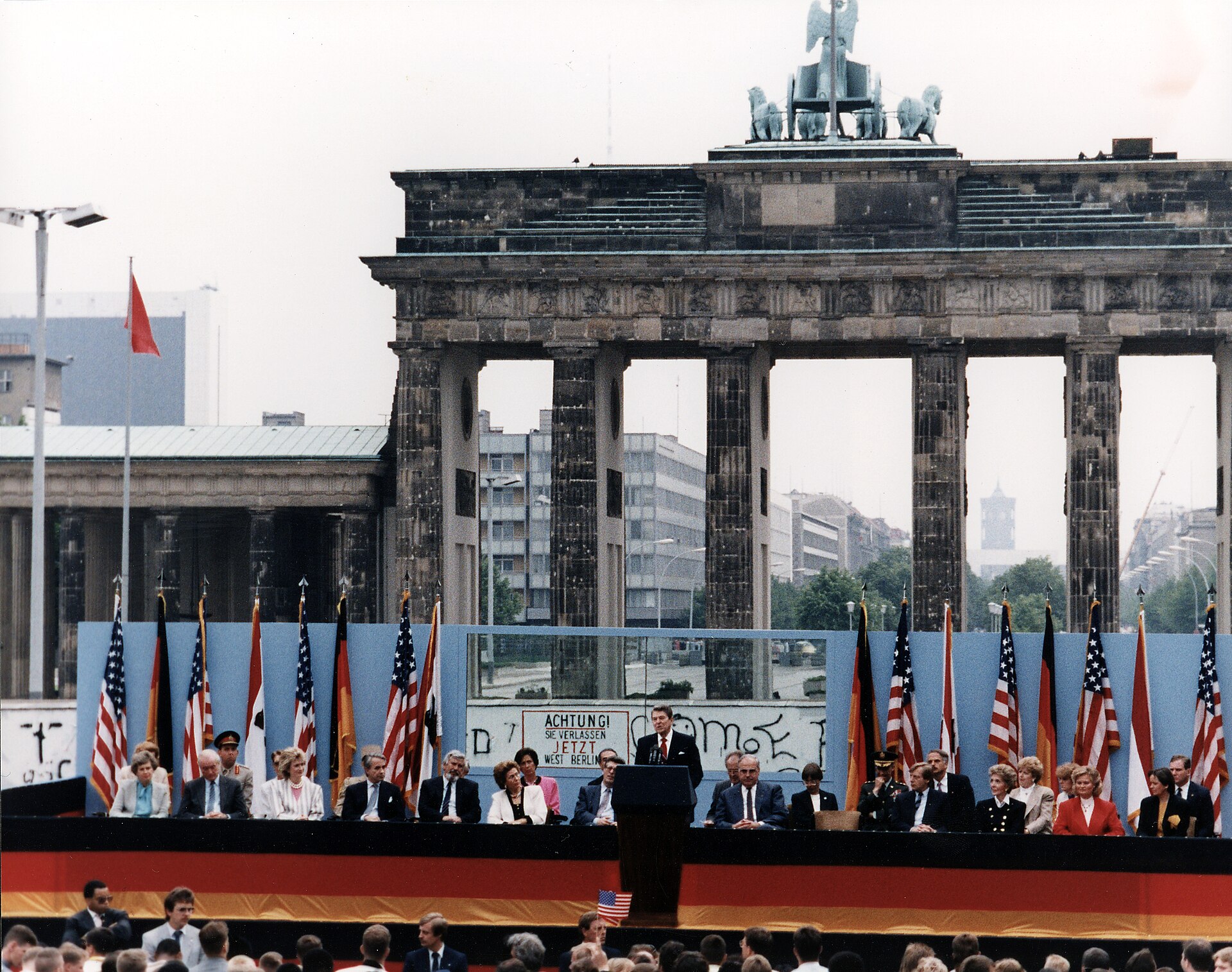
1980年代,里根重整军备并推动减税。1987年,他在柏林墙前向戈尔巴乔夫喊话:「推倒这堵墙!」1989年,柏林墙倒塌;1991年,苏联解体——冷战以美国成为唯一超级大国告终。
(下一章:1990年代至今,互联网、反恐与超级智能。)
A White House History of America (8): Cold War, Civil Rights and the Moon — From the Truman Doctrine to the Fall of the Berlin Wall, 1945–1991
[Series note] Chapter Eight of GSM's "A White House History of America" series: 1945–1991 — nearly half a century of U.S.–Soviet confrontation. In the same decades, America lands on the Moon and, in its own streets, begins to cash the Constitution's promises clause by clause.
[Key dates]
1947 — The Truman Doctrine; the Marshall Plan begins
1950 — The Korean War begins (armistice 1953)
1954 — Brown v. Board of Education: school segregation ruled unconstitutional
1964 — The Civil Rights Act passes
1969 — Apollo 11 lands on the Moon
1989 — The Berlin Wall falls
1991 — The Soviet Union dissolves; the Cold War ends
1. The Cold War Order
The wartime alliance collapsed as soon as the war ended. In 1947 President Truman proclaimed the Truman Doctrine — America would aid peoples resisting outside pressure — and the Marshall Plan poured some 13 billion dollars into Western Europe's recovery. "Containment" of Soviet expansion became the strategy for decades.
NATO was formed in 1949; the Soviets tested an atomic bomb; the People's Republic of China was founded. In 1950 war came to Korea; American forces fought under the UN flag until the 1953 armistice at the 38th parallel, with about 36,000 U.S. dead.
At home, fear of communism fed McCarthyism, costing many officials, teachers and artists their livelihoods on unproven charges. In 1962 the Cuban Missile Crisis brought the world to the edge of nuclear war — and stepped back after thirteen days.
2. Affluence and Anxiety in the Fifties
The war generation went to college and bought houses on the GI Bill; federal mortgages raised suburbs street by street, and the "baby boom" — some 76 million children — was born.
Television entered the living room; from 1956 the Interstate Highway System webbed the country in concrete; cars, fast food and shopping centers defined a new way of life.
Beneath the prosperity sat anxiety: schoolchildren drilled for nuclear attack, and in 1957 the Soviet Union's Sputnik pushed the rivalry into space.
3. The Civil Rights Movement
In 1954 the Supreme Court ruled unanimously in Brown v. Board of Education that segregation in public schools was unconstitutional. In 1955 Rosa Parks was arrested in Montgomery for refusing to give up her bus seat; the city's Black community answered with a bus boycott lasting 381 days.
In 1960 students sat in at segregated lunch counters; in 1963 a quarter of a million people marched on Washington, where Martin Luther King Jr. delivered "I Have a Dream" before the Lincoln Memorial. The Civil Rights Act followed in 1964, barring discrimination in public accommodations and employment; the Voting Rights Act of 1965 swept away barriers to Black voting.
The movement widened: Mexican-American farmworkers, women, Native Americans and people with disabilities marched for the same equality.
4. The Moon, Turmoil, and the Cold War's End
On July 20, 1969, Apollo 11 landed on the Moon; Armstrong and Aldrin walked on its surface as some 600 million people watched on television. This leg of the space race belonged to America.
The same decade tore at the country over Vietnam: more than 58,000 Americans died, protests filled the streets; U.S. forces withdrew in 1973 and Saigon fell in 1975. Watergate forced President Nixon's resignation in 1974 — the constitutional process survived a test set by a president himself.
In the 1980s Reagan rebuilt the military and cut taxes. At the Berlin Wall in 1987 he called on Gorbachev: "Tear down this wall!" In 1989 the Wall fell; in 1991 the Soviet Union dissolved — and the Cold War ended with the United States as the sole superpower.
(Next chapter: 1990s to today, the Internet, the War on Terror and Super Intelligence.)
来源:GSM·美国(原文链接)
图片来源:图:1969年7月20日,阿波罗11号宇航员巴兹·奥尔德林站在月球表面,由尼尔·阿姆斯特朗拍摄。图片来源:美国国家航空航天局(公共领域)。Apollo 11 astronaut Buzz Aldrin on the surface of the Moon, July 20, 1969, photographed by Neil Armstrong. Source: NASA (public domain).
GSM Global · 本篇英文版 English edition of this story
- 2026-10-17 20:04白宫版美国历史(九):新世纪 从互联网时代到超级智能 1990年代至今
- 2026-10-17 20:04白宫版美国历史(八):冷战、民权与登月 从杜鲁门主义到柏林墙倒塌 1945–1991本篇
- 2026-10-17 20:04白宫版美国历史(七):两次世界大战与大萧条 从阿尔贡森林到诺曼底 1914–1945
- 2026-10-17 20:04白宫版美国历史(六):钢铁、移民与改革者 从横贯铁路到妇女选举权 1870年代–1920
- 2026-10-17 20:04白宫版美国历史(五):内战与重建 从萨姆特堡到三条修正案 1861–1877
- 2026-10-17 20:04白宫版美国历史(四):工业、改革与裂痕 从运河工厂到斯科特案 1815–1861
- 2026-10-17 20:04白宫版美国历史(三):共和国扩张 从首任总统到昭昭天命 1789–1840年代
- 2026-10-17 23:57白宫版美国历史(二):革命与建国 从倾茶抗争到Philadelphia制宪 1763–1789
- 2026-10-17 22:34白宫版美国历史(一):Columbus之后,十三个殖民地如何长成 1492–1763