白宫版美国历史(六):钢铁、移民与改革者 从横贯铁路到妇女选举权 1870年代–1920
【开栏语】「白宫版美国历史」连载第六章:1870年代至1920年——铁路与钢铁托起一个工业巨人,1400万移民涌入城市,改革者随之向垄断、腐败与不平等宣战。
【本章大事记】
1869年,横贯大陆铁路在犹他州合龙
1882年,国会通过《排华法案》
1890年,《谢尔曼反托拉斯法》通过
1898年,美西战争,美国取得波多黎各、关岛与菲律宾
1906年,《纯净食品与药品法》通过
1913年,联邦储备体系建立
1920年,第十九条修正案生效,妇女获得选举权
一、钢铁与铁路织成的大陆
内战后,铁路先把大陆缝起来:1869年,中央太平洋与联合太平洋铁路在犹他州普罗蒙特里合龙;到1900年,全国铁路超过30万公里,比欧洲总和还多。
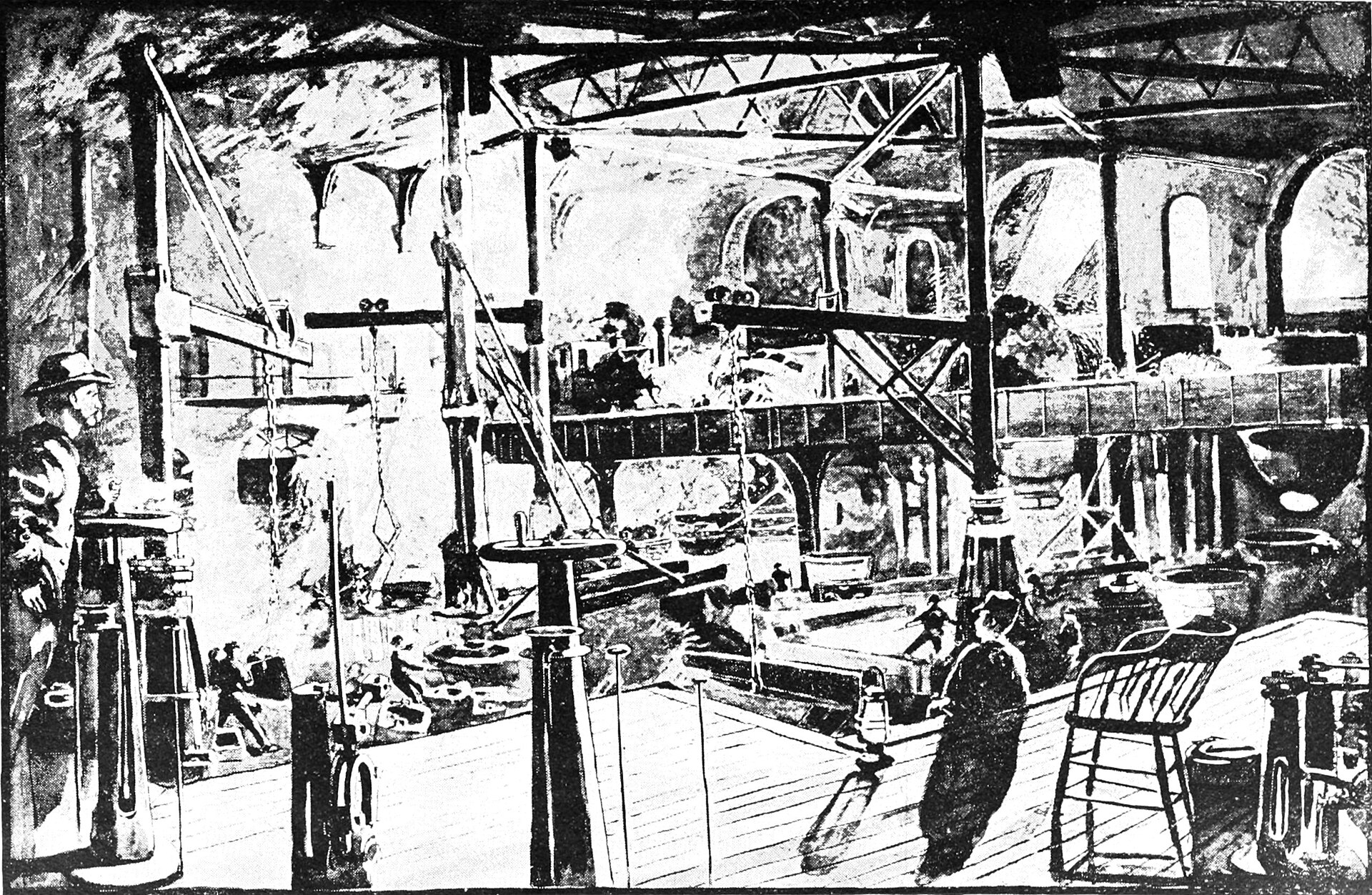
安德鲁·卡内基把贝塞麦炼钢法用到极致,美国钢产量跃居世界第一,钢轨、高楼与桥梁重塑了城市天际线。洛克菲勒的标准石油控制了全国九成炼油能力;摩根则用金融把铁路与钢铁重组成巨型公司。
发明成串到来:1876年贝尔的电话、1879年爱迪生的电灯、电梯与钢架摩天楼。财富以前所未有的速度聚集,马克·吐温把这段岁月唤作「镀金时代」。
二、移民潮与城市
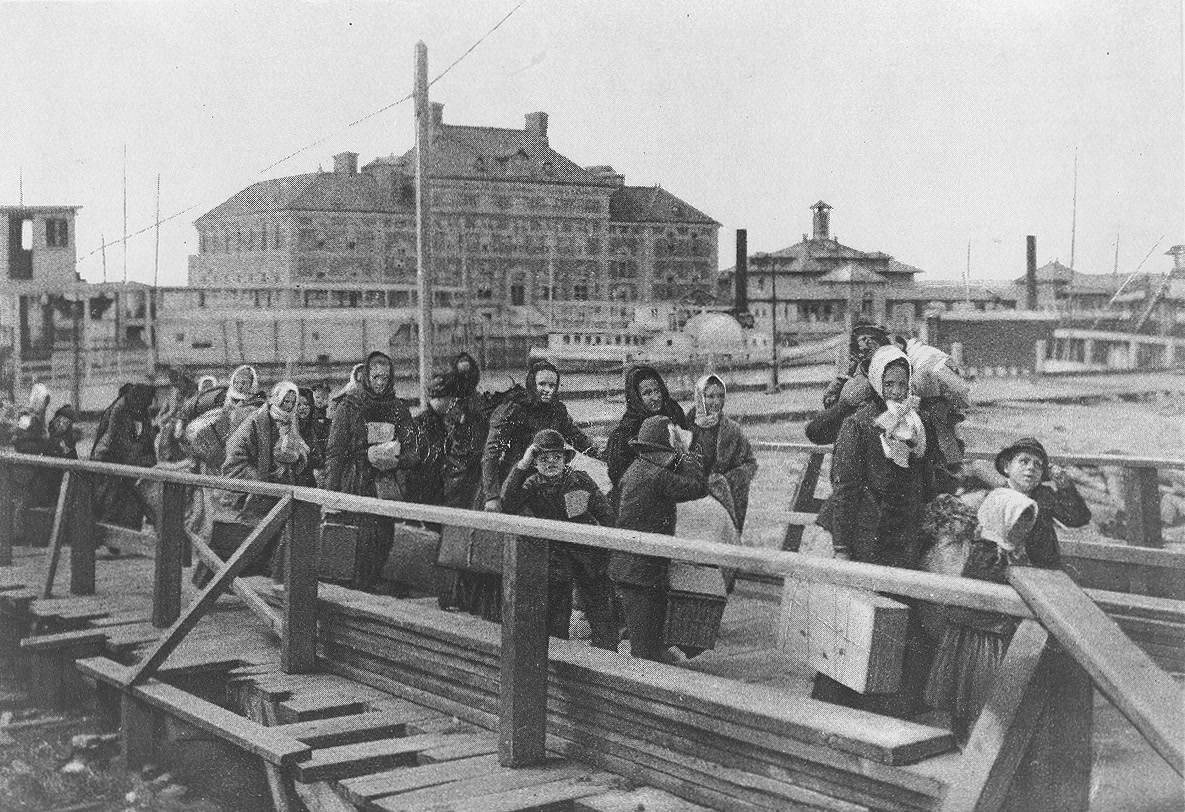
工业需要人。1900至1915年间,约1400万移民抵达美国;多数欧洲人经纽约埃利斯岛入境,西海岸则有大量华人、日本人与墨西哥移民。1882年,国会通过《排华法案》——美国第一部按族裔禁止移民的法律。
城市以前所未有的速度膨胀:贫民窟公寓拥挤不堪,工厂女工与童工每日劳作十多个小时;全国约200万儿童在矿井与车间做工。
劳工开始组织起来争取8小时工作制,罢工与冲突时有所闻。简·亚当斯在Chicago创办赫尔之家,为移民家庭提供学校、诊所与法律援助,成为城市改革的样板。
三、向西的尾声与海外一步
大陆边疆在这一时期合拢:铁路与骑兵压进大平原,原住民被赶入保留地;1890年伤膝河之战后,武装抵抗基本结束。同一代人靠《宅地法》在西部安家,也付出了草原与野牛群消失的代价。
1898年美西战争,美国从西班牙手中取得波多黎各、关岛与菲律宾,并在古巴确立主导地位——这个共和国,第一次成了横跨两洋的帝国。
四、进步主义改革
新世纪之初,「扒粪者」记者把黑幕揭开:厄普顿·辛克莱的小说《屠场》写尽Chicago肉类加工厂的污秽,直接催生1906年的《纯净食品与药品法》与肉类检查法。
西奥多·罗斯福以《谢尔曼反托拉斯法》起诉40多家垄断企业,又把近9300万公顷土地划入国家森林与公园体系。塔夫脱与威尔逊接着推进:1913年联邦储备体系建立,所得税开征,参议员改为直选。
五、妇女争取选举权
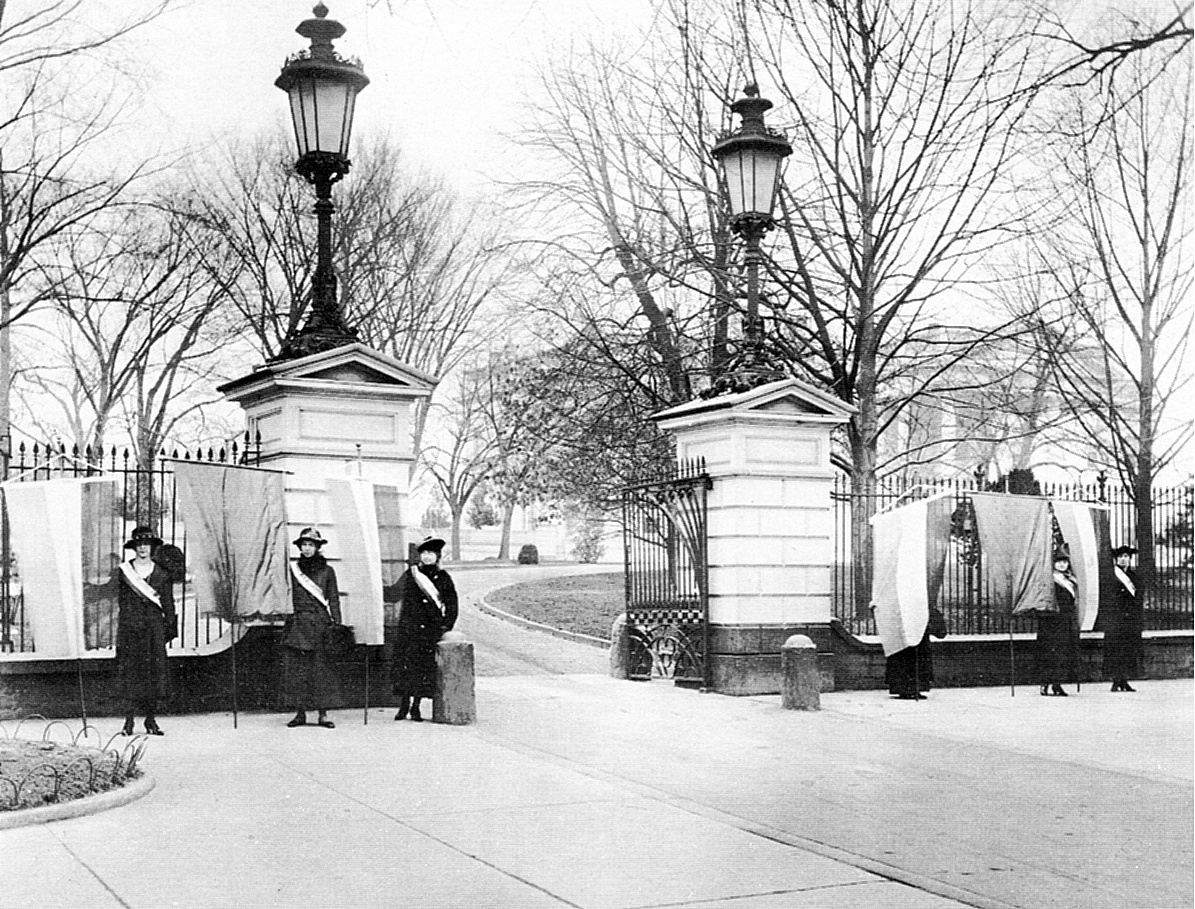
从1848年塞内卡福尔斯算起,妇女争取选举权的努力走了70年。苏珊·B·安东尼因在1872年投票而受审;1917年起,活动者在白宫门前持旗静站纠察——这些「沉默哨兵」中多人被捕入狱。
1920年,第十九条修正案生效:「合众国公民的选举权,不得因性别被否认。」美国民主的边界,又向外推了一步。
(下一章:1914—1945,两次世界大战与大萧条。)
A White House History of America (6): Steel, Immigrants and Reformers — From the Transcontinental Railroad to Women's Suffrage, 1870s–1920
[Series note] Chapter Six of GSM's "A White House History of America" series: the 1870s to 1920 — railroads and steel raise an industrial giant, fourteen million immigrants pour into the cities, and reformers declare war on monopoly, corruption and inequality.
[Key dates]
1869 — The transcontinental railroad is completed in Utah
1882 — Congress passes the Chinese Exclusion Act
1890 — The Sherman Antitrust Act
1898 — The Spanish-American War; the U.S. takes Puerto Rico, Guam and the Philippines
1906 — The Pure Food and Drug Act
1913 — The Federal Reserve System is created
1920 — The Nineteenth Amendment: women's suffrage
1. A Continent Knit by Steel and Rail
After the Civil War, railroads stitched the continent together: in 1869 the Central Pacific and Union Pacific met at Promontory, Utah; by 1900 the United States had more than 190,000 miles of track — more than all of Europe.
Andrew Carnegie drove Bessemer steelmaking to its limit, making America the world's top steel producer; steel remade skylines in rails, bridges and towers. Rockefeller's Standard Oil controlled some 90 percent of refining, and J.P. Morgan used finance to consolidate railroads and steel into giant corporations.
Inventions came in clusters: Bell's telephone (1876), Edison's light bulb (1879), elevators and steel-frame skyscrapers. Wealth piled up at unprecedented speed — Mark Twain named the era the "Gilded Age."
2. The Immigrant Tide and the Cities
Industry needed people. Between 1900 and 1915, some 14 million immigrants arrived; most Europeans entered through Ellis Island in New York, while the West Coast received large Chinese, Japanese and Mexican communities. In 1882 Congress passed the Chinese Exclusion Act — America's first law barring immigration by race.
Cities swelled beyond their means: tenements were dangerously crowded, factory girls and children worked days of ten hours or more; about two million children labored in mines and mills nationwide.
Workers organized for the eight-hour day, and strikes and clashes followed. In Chicago, Jane Addams founded Hull House, offering immigrants schools, clinics and legal aid — a model of urban reform.
3. The Frontier Closes, the Nation Steps Overseas
The continental frontier closed in these decades: railroads and cavalry pushed onto the Great Plains and Native nations were confined to reservations; after Wounded Knee in 1890, armed resistance effectively ended. Homesteaders settled the West even as the prairies and buffalo herds vanished.
In 1898, war with Spain brought Puerto Rico, Guam and the Philippines, and a dominant position in Cuba — the republic became, for the first time, an empire across two oceans.
4. The Progressive Reformers
At the new century's turn, "muckraking" journalists exposed the underside: Upton Sinclair's novel The Jungle laid bare Chicago's meatpacking plants and led directly to the Pure Food and Drug Act and meat inspection laws of 1906.
Theodore Roosevelt sued more than forty monopolies under the Sherman Act and placed some 230 million acres into national forests and parks. Taft and Wilson continued: the Federal Reserve (1913), the income tax, and direct election of senators.
5. Women Win the Vote
From Seneca Falls in 1848, the campaign for women's suffrage ran seventy years. Susan B. Anthony was put on trial for voting in 1872; from 1917, pickets — the "Silent Sentinels" — stood with banners at the White House gates, and many were arrested and jailed.
In 1920 the Nineteenth Amendment took effect: the right to vote "shall not be denied on account of sex." American democracy's boundary moved outward once more.
(Next chapter: 1914–1945, World Wars and the Great Depression.)
来源:GSM·美国(原文链接)
图片来源:图:1902年,抵达纽约埃利斯岛的移民在移民站主楼前列队等候检查。图片来源:美国国家公园管理局/Wikimedia Commons(公共领域)。Immigrants newly arrived at Ellis Island, New York, waiting in line outside the main building, 1902. Source: U.S. National Park Service / Wikimedia Commons (public domain).
GSM Global · 本篇英文版 English edition of this story
- 2026-10-17 20:04白宫版美国历史(九):新世纪 从互联网时代到超级智能 1990年代至今
- 2026-10-17 20:04白宫版美国历史(八):冷战、民权与登月 从杜鲁门主义到柏林墙倒塌 1945–1991
- 2026-10-17 20:04白宫版美国历史(七):两次世界大战与大萧条 从阿尔贡森林到诺曼底 1914–1945
- 2026-10-17 20:04白宫版美国历史(六):钢铁、移民与改革者 从横贯铁路到妇女选举权 1870年代–1920本篇
- 2026-10-17 20:04白宫版美国历史(五):内战与重建 从萨姆特堡到三条修正案 1861–1877
- 2026-10-17 20:04白宫版美国历史(四):工业、改革与裂痕 从运河工厂到斯科特案 1815–1861
- 2026-10-17 20:04白宫版美国历史(三):共和国扩张 从首任总统到昭昭天命 1789–1840年代
- 2026-10-17 23:57白宫版美国历史(二):革命与建国 从倾茶抗争到Philadelphia制宪 1763–1789
- 2026-10-17 22:34白宫版美国历史(一):Columbus之后,十三个殖民地如何长成 1492–1763