白宫版美国历史(五):内战与重建 从萨姆特堡到三条修正案 1861–1877
【开栏语】「白宫版美国历史」连载第五章:1861年至1877年——内战打了四年,约75万人死去;战争以解放告终,又以三条宪法修正案把自由与公民权写进根本大法。
【本章大事记】
1861年,萨姆特堡之战,内战爆发
1863年,《解放宣言》生效;葛底斯堡战役
1865年,李将军投降;林肯遇刺;第十三条修正案废除奴隶制
1868年,第十四条修正案赋予出生地公民权与法律平等保护
1870年,第十五条修正案禁止以种族限制投票权
1877年,重建时期结束
一、联邦解体,战争爆发
1861年4月12日,南方邦联军炮轰南卡罗来纳的联邦要塞萨姆特堡,内战爆发。此前已有7个州脱离联邦,弗吉尼亚等4州随后跟进;4个蓄奴州留在联邦一方。
双方都以为战争很快结束。1861年7月的第一次布尔朗战役,北军溃败,幻觉破灭。
这是第一场工业化战争:铁路运兵、电报传令、铁甲舰与来复枪同场出现,杀戮的规模超出所有人预料。
二、《解放宣言》
林肯的公开目标始终是维护联邦;但战争进入第二年,他认定解放奴隶既是军事需要,也是战争的意义所在。1862年9月安提塔姆战役后,他预告了解放令。
1863年1月1日,《解放宣言》生效:叛乱各州的奴隶获得自由——近400万人命运所系。约17.9万名非裔男子随后加入联邦军,奴隶制再无退路。
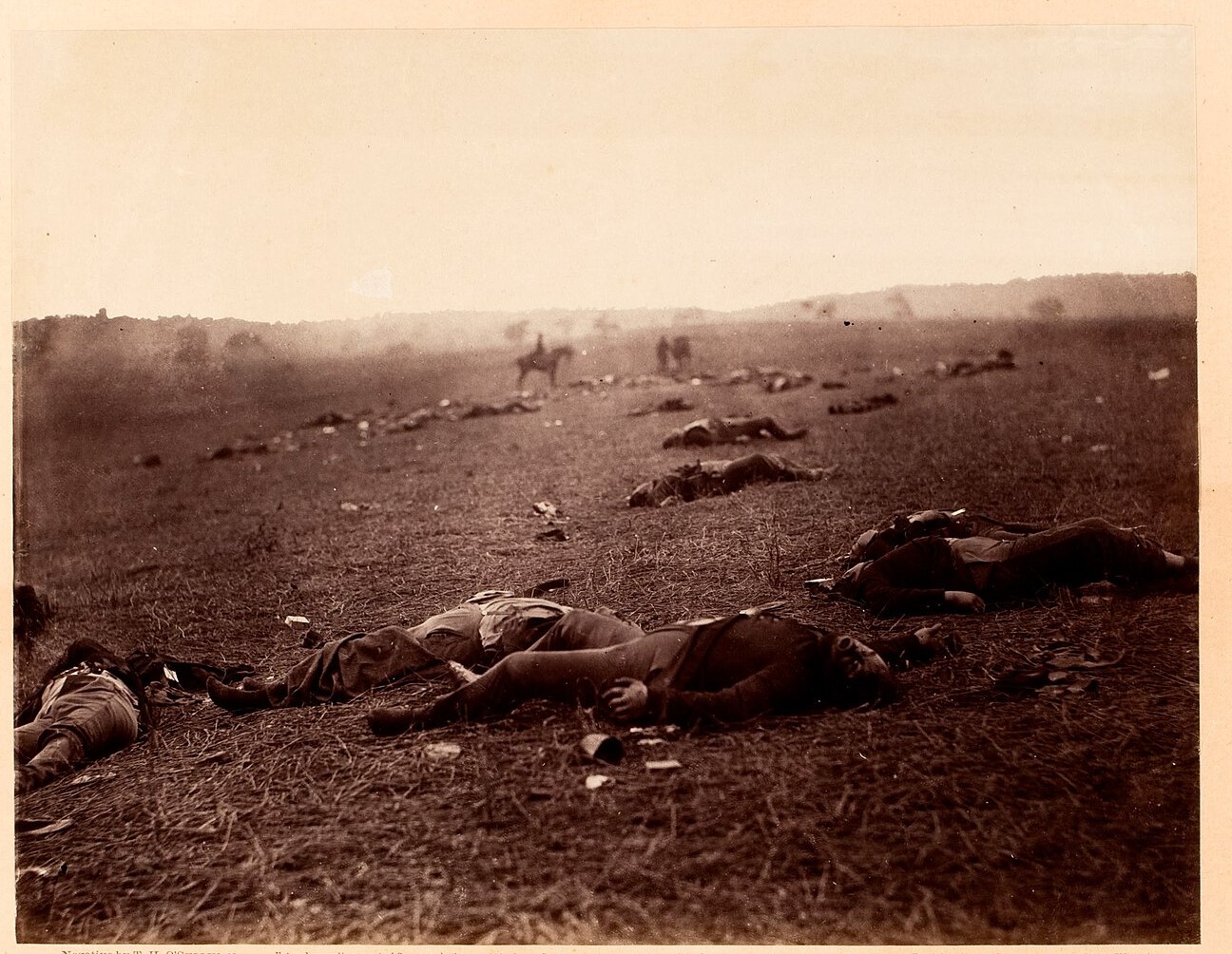
1863年7月,葛底斯堡三日之战成为转折点,李将军北进的攻势被击退;同月维克斯堡陷落,密西西比河全线归北军控制。
三、北方获胜与林肯之死
1864年,格兰特对李展开消耗战,谢尔曼攻入Atlanta并向海进军。1865年4月9日,李在阿波马托克斯法院村向格兰特投降,内战实质结束。
五天后,1865年4月14日,林肯在华盛顿福特剧院遇刺身亡,副总统安德鲁·约翰逊继任。全国哀悼之中,重建的难题落到生者肩上。
这场战争带走约62万至75万名军人的生命,超过美国其他战争的总和。它回答了两个悬而未决的问题:联邦不可分割;奴隶制必须终结。
四、重建:把自由写进宪法
1865年,第十三条修正案通过,奴隶制在全美废除。1866年的《民权法》与自由民局为400万获得自由的人提供学校、法律与土地方面的援助。
1868年,第十四条修正案生效:在美国出生或归化者皆为公民,各州不得剥夺其权利,不得拒绝给予法律的平等保护。1870年,第十五条修正案禁止以种族、肤色限制男性公民的投票权。
重建年代,约2000名非裔美国人担任各级公职,包括16名国会议员;南方各州建立起第一批公立学校系统。反对的力量同样凶猛:三K党以暴力恐吓黑人选民。
1877年,联邦军撤出南方,重建落幕。此后近一个世纪,南方以「吉姆·克劳」法把种族隔离合法化——本章写进宪法的承诺,要等到下一百年才被逐条追讨。
(下一章:1870年代—1920,钢铁、移民与改革者。)
A White House History of America (5): Civil War and Reconstruction — From Fort Sumter to Three Amendments, 1861–1877
[Series note] Chapter Five of GSM's "A White House History of America" series: 1861–1877 — a four-year civil war kills some 750,000 people; it ends in emancipation, and three constitutional amendments write freedom and citizenship into the nation's fundamental law.
[Key dates]
1861 — Fort Sumter; the Civil War begins
1863 — The Emancipation Proclamation takes effect; Gettysburg
1865 — Lee surrenders; Lincoln is assassinated; the Thirteenth Amendment abolishes slavery
1868 — The Fourteenth Amendment: birthright citizenship and equal protection
1870 — The Fifteenth Amendment bars racial limits on voting
1877 — Reconstruction ends
1. The Union Breaks, the War Begins
On April 12, 1861, Confederate guns fired on the federal fort at Sumter, South Carolina, and the Civil War began. Seven states had already seceded; four more followed, while four slave states stayed with the Union.
Both sides expected a short war. The Union rout at First Bull Run in July 1861 ended that illusion.
It was the first industrial war — railroads, telegraph, ironclads and rifled weapons together — and the killing exceeded every expectation.
2. The Emancipation Proclamation
Lincoln's stated aim was always to save the Union; by the war's second year he concluded that emancipation was both a military necessity and the war's meaning. After Antietam in September 1862, he announced it in advance.
On January 1, 1863, the Emancipation Proclamation took effect, declaring freedom for the enslaved in the rebellious states — nearly four million lives in the balance. Some 179,000 Black men then served in Union blue; there was no road back for slavery.
In July 1863 the three days at Gettysburg turned back Lee's invasion of the North, and Vicksburg's fall gave the Union the whole Mississippi.
3. Union Victory and Lincoln's Death
In 1864 Grant ground Lee down in a war of attrition while Sherman took Atlanta and marched to the sea. On April 9, 1865, Lee surrendered to Grant at Appomattox Court House; the war was effectively over.
Five days later, on April 14, 1865, Lincoln was assassinated at Ford's Theatre in Washington. Vice President Andrew Johnson succeeded him, and Reconstruction fell to the living amid national mourning.
The war killed between 620,000 and 750,000 soldiers — more than all other American wars combined. It answered two open questions: the Union was indivisible, and slavery was finished.
4. Reconstruction: Freedom Written into the Constitution
In 1865 the Thirteenth Amendment abolished slavery nationwide. The Civil Rights Act of 1866 and the Freedmen's Bureau brought schools, legal aid and support to four million newly free people.
The Fourteenth Amendment (1868) made all persons born or naturalized in the United States citizens, barring states from abridging their rights or denying equal protection of the laws. The Fifteenth (1870) forbade denying the vote on account of race or color to male citizens.
During Reconstruction some 2,000 Black Americans held public office, including sixteen members of Congress, and Southern states built their first public school systems. The backlash was violent: the Ku Klux Klan terrorized Black voters.
In 1877 federal troops withdrew from the South and Reconstruction ended. For nearly a century, "Jim Crow" laws legalized segregation — the promises written into the Constitution in this chapter would be claimed, clause by clause, only in the next century.
(Next chapter: 1870s–1920, Steel, Immigrants and Reformers.)
来源:GSM·美国(原文链接)
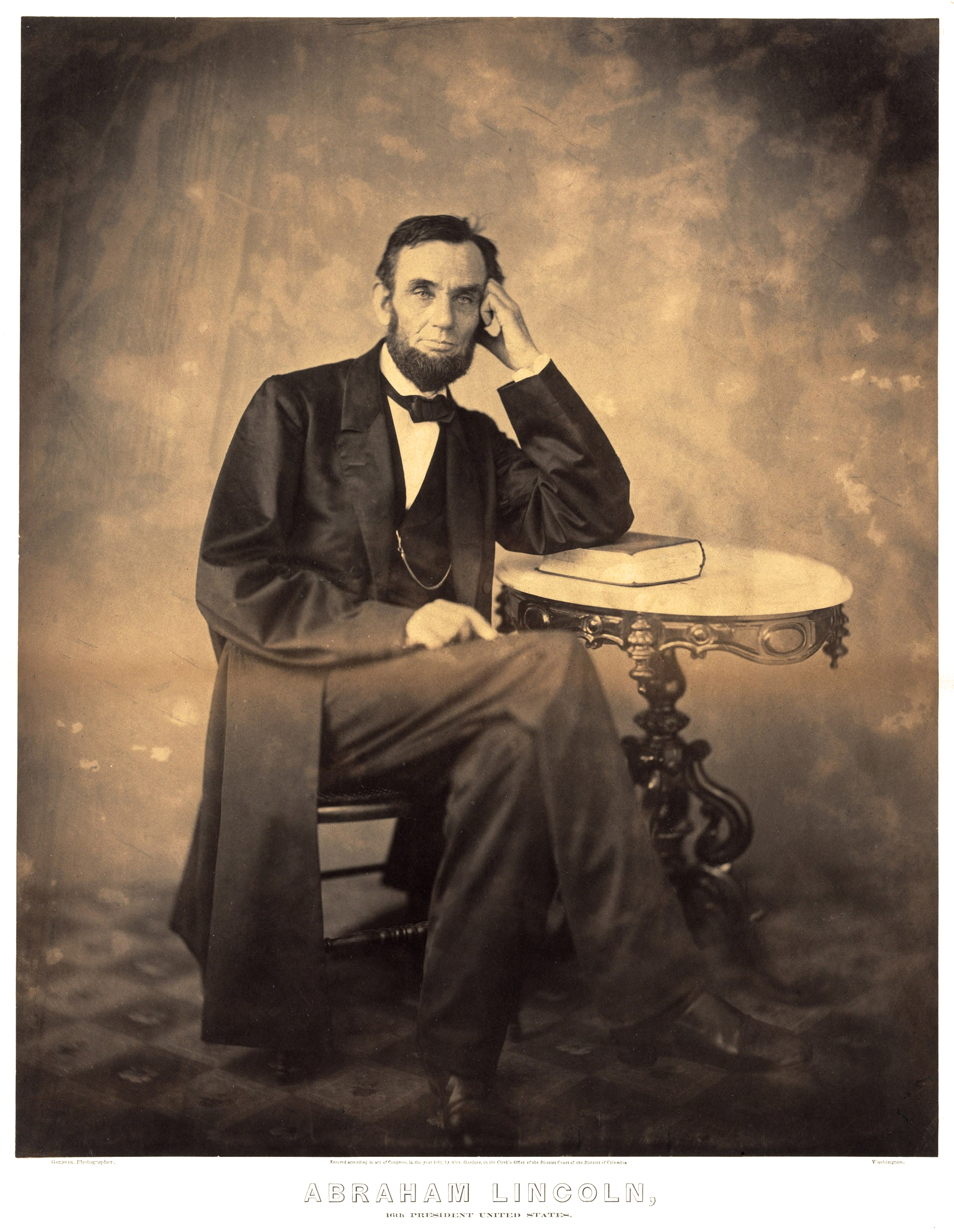
图片来源:图:亚伯拉罕·林肯总统肖像,亚历山大·加德纳1863年11月8日摄于华盛顿——在葛底斯堡演说前10天。图片来源:史密森美国艺术博物馆/美国国家肖像馆,Wikimedia Commons(公共领域)。Abraham Lincoln, photographed by Alexander Gardner in Washington on November 8, 1863 — ten days before the Gettysburg Address. Source: Smithsonian American Art Museum / National Portrait Gallery, via Wikimedia Commons (public domain).
GSM Global · 本篇英文版 English edition of this story
- 2026-10-17 20:04白宫版美国历史(九):新世纪 从互联网时代到超级智能 1990年代至今
- 2026-10-17 20:04白宫版美国历史(八):冷战、民权与登月 从杜鲁门主义到柏林墙倒塌 1945–1991
- 2026-10-17 20:04白宫版美国历史(七):两次世界大战与大萧条 从阿尔贡森林到诺曼底 1914–1945
- 2026-10-17 20:04白宫版美国历史(六):钢铁、移民与改革者 从横贯铁路到妇女选举权 1870年代–1920
- 2026-10-17 20:04白宫版美国历史(五):内战与重建 从萨姆特堡到三条修正案 1861–1877本篇
- 2026-10-17 20:04白宫版美国历史(四):工业、改革与裂痕 从运河工厂到斯科特案 1815–1861
- 2026-10-17 20:04白宫版美国历史(三):共和国扩张 从首任总统到昭昭天命 1789–1840年代
- 2026-10-17 23:57白宫版美国历史(二):革命与建国 从倾茶抗争到Philadelphia制宪 1763–1789
- 2026-10-17 22:34白宫版美国历史(一):Columbus之后,十三个殖民地如何长成 1492–1763