白宫版美国历史(四):工业、改革与裂痕 从运河工厂到斯科特案 1815–1861
【开栏语】「白宫版美国历史」连载第四章:1815年至1861年——蒸汽船、运河与工厂把美国连成一片市场,改革者四起;而奴隶制这道伤口,在一次次妥协之后走向决裂。
【本章大事记】
1820年,《密苏里妥协案》划定蓄奴扩张的临时边界
1825年,伊利运河通航
1831年,加里森创办废奴报纸《解放者》
1848年,塞内卡福尔斯妇女权利大会召开
1850年,妥协案通过,《逃奴法》强化
1854年,《堪萨斯—内布拉斯加法》引发「血腥堪萨斯」
1857年,联邦最高法院作出斯科特案判决
一、机轮转动
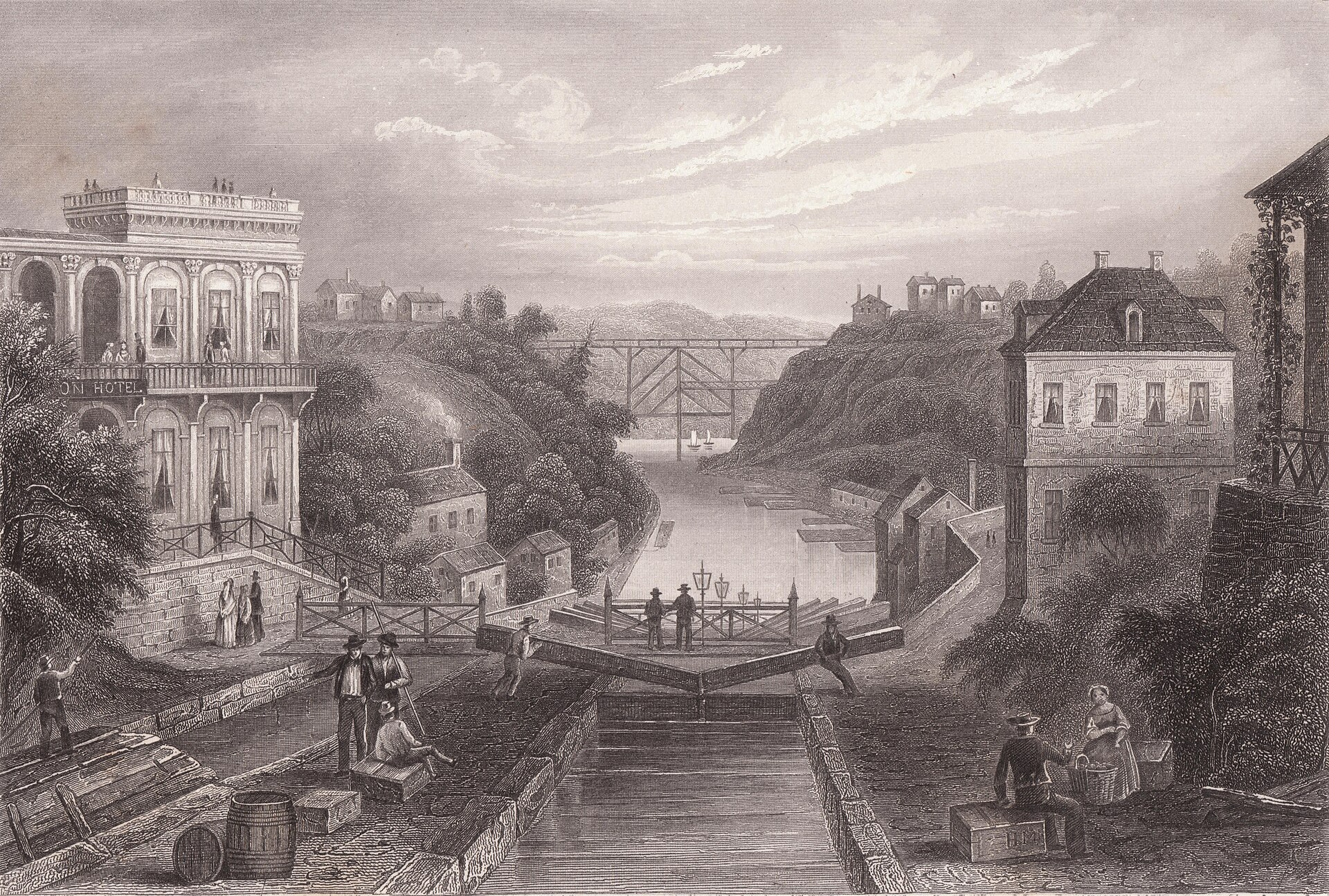
1815年之后,美国经济像被蒸汽推着走。汽船让密西西比河的大宗货物逆流而上;1825年完工的伊利运河把五大湖与纽约港连通,运价跌到原来的零头。
铁路跟着铺开:1830年不过几十英里,1860年已超过4.8万公里,把农场、矿山与港口缝成一张网。
1844年,莫尔斯发出第一封电报——「上帝创造了何等奇迹」。信息与货物一样,第一次以远超马匹的速度流动。
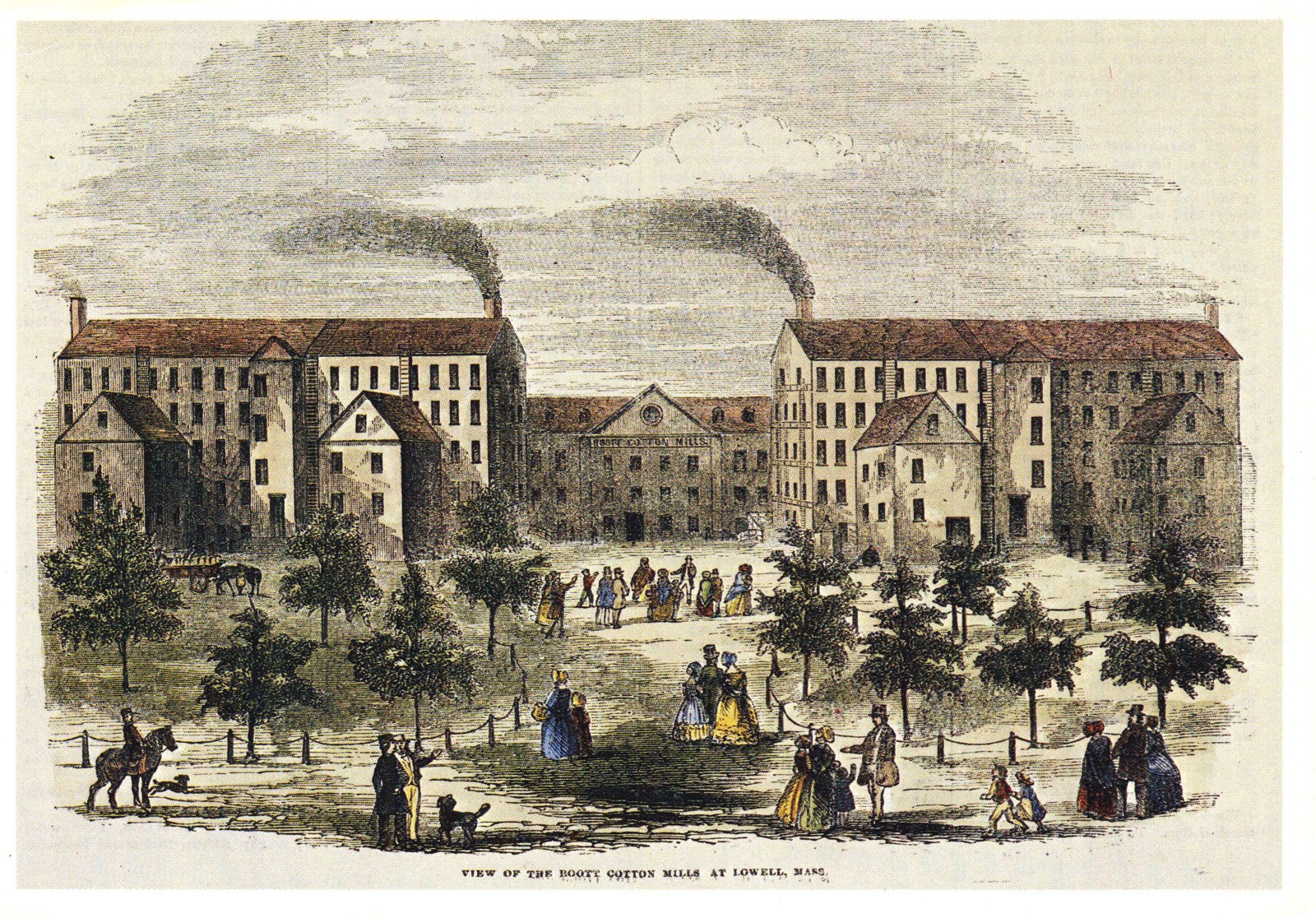
北方兴起工厂制:马萨诸塞州洛厄尔的纺织厂成群招募农家女工;南方则把棉花种满新土,靠奴隶劳动供给北方与英国的工厂。一个市场,两种劳动制度。
二、改革的年代
同一时期,一波宗教与道德觉醒席卷全国。传教士的营地聚会动员成千上万人,改革者相信:社会弊病可以,也必须被清除。
1831年,加里森在波士顿(Boston)创办《解放者》,主张立即、无条件废奴;1833年美国反奴隶制协会成立。逃出奴隶制的道格拉斯成为最有力的演说者之一;塔布曼一次次潜回南方,经「地下铁路」带人出走。
改革不限于废奴:1848年塞内卡福尔斯大会要求妇女选举权;霍勒斯·曼推动公立教育;多萝西娅·迪克斯为精神病患的处境奔走呼号,监狱与济贫院也成为改造对象。
三、一个问题撕裂国家
每一次扩张,都把同一个问题推到国会:新土地上,奴隶制合法吗?1820年的《密苏里妥协案》让密苏里以蓄奴州、缅因以自由州加入,并划线禁止北纬36度30分以北蓄奴——只是暂时盖住火山口。
1850年,加利福尼亚以自由州加入,换来一部严苛的《逃奴法》:联邦官员必须协助追捕逃奴,北方民众被迫直面奴隶制的日常。
1854年,《堪萨斯—内布拉斯加法》废除旧妥协、改由当地居民自决。蓄奴派与废奴派涌入堪萨斯互相开枪,「血腥堪萨斯」成为内战的预演;共和党也在这一年因反对奴隶制扩张而诞生。
四、走向分裂
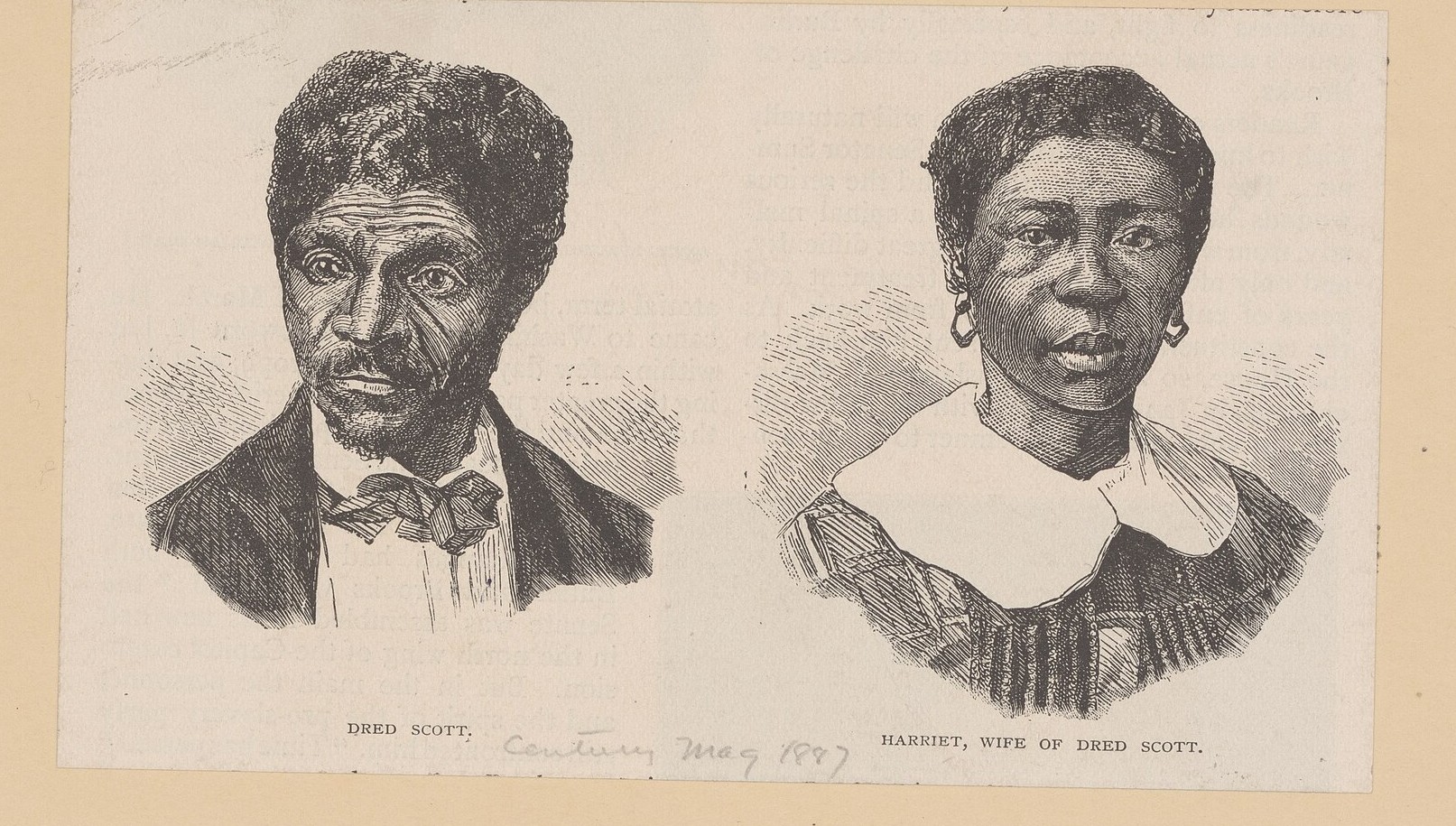
1857年,联邦最高法院对斯科特案作出判决:德雷德·斯科特随主人居住过自由地区后诉请自由,法院却裁定非裔美国人不是、也不可能成为美国公民,国会无权在领地上禁止奴隶制。
判决在北方激起怒火。1858年,林肯与道格拉斯的七场辩论把「一幢分裂的房子无法持久」说给全国听;1859年,约翰·布朗袭击哈珀斯渡口军械库,图谋武装起义,失败被绞死,南方则确信北方要置奴隶制于死地。
1860年,林肯当选总统。南卡罗来纳率先脱离联邦,至1861年2月,七个南方州组建美利坚联盟国。妥协用尽,剩下的只有战争。
(下一章:1861—1877,内战、解放与重建。)
A White House History of America (4): Industry, Reform and Division — From Canals and Mills to the Dred Scott Case, 1815–1861
[Series note] Chapter Four of GSM's "A White House History of America" series: 1815–1861 — steamboats, canals and factories knit the country into one market, reformers multiply, and the wound of slavery moves, compromise by compromise, toward rupture.
[Key dates]
1820 — The Missouri Compromise draws a temporary line on slavery's expansion
1825 — The Erie Canal opens
1831 — Garrison launches the abolitionist newspaper The Liberator
1848 — The Seneca Falls women's rights convention
1850 — A compromise package passes, with a stronger Fugitive Slave Act
1854 — The Kansas-Nebraska Act leads to "Bleeding Kansas"
1857 — The Supreme Court decides the Dred Scott case
1. Wheels Turning
After 1815 the American economy moved as if pushed by steam. Steamboats carried bulk goods up the Mississippi; the Erie Canal, finished in 1825, linked the Great Lakes to New York Harbor and cut freight costs to a fraction.
Railroads followed: a few dozen miles in 1830, more than 30,000 by 1860, stitching farms, mines and ports into one network.
In 1844 Morse sent the first telegram — "What hath God wrought." Information, like goods, now moved faster than a horse.
In the North, factories rose: the textile mills of Lowell, Massachusetts, recruited farm daughters by the thousand. In the South, enslaved labor planted cotton on ever more land to feed Northern and British mills. One market, two systems of labor.
2. An Age of Reform
A religious and moral awakening swept the same decades. Camp meetings drew thousands, and reformers believed society's ills could — and must — be cured.
In 1831 Garrison began publishing The Liberator in Boston, demanding immediate, unconditional emancipation; the American Anti-Slavery Society followed in 1833. Frederick Douglass, who had escaped slavery, became one of abolition's most powerful speakers; Harriet Tubman returned south again and again to guide people out on the "Underground Railroad."
Reform reached further: the Seneca Falls Convention of 1848 demanded women's suffrage; Horace Mann championed public schools; Dorothea Dix exposed the treatment of the mentally ill, while prisons and poorhouses drew reformers' attention.
3. One Question Divides the House
Every expansion forced the same question on Congress: would slavery be legal in the new lands? The Missouri Compromise of 1820 admitted Missouri as a slave state and Maine as free, and barred slavery north of 36°30′ — covering the crater, for a time.
In 1850 California entered as a free state, balanced by a harsh Fugitive Slave Act that required federal officials to help recapture escapees — and forced Northerners to confront slavery's everyday reality.
In 1854 the Kansas-Nebraska Act repealed the old line in favor of local choice. Pro- and anti-slavery settlers poured into Kansas and shot at each other — "Bleeding Kansas," a rehearsal for civil war. The Republican Party was born the same year, opposed to slavery's expansion.
4. Toward Disunion
In 1857 the Supreme Court decided Dred Scott's case: Scott had sued for freedom after living with his enslaver in free territory. The Court ruled that Black Americans were not, and could not become, citizens — and that Congress had no power to bar slavery from the territories.
The decision inflamed the North. In 1858, Lincoln told the nation in his debates with Douglas that "a house divided against itself cannot stand." In 1859 John Brown raided the arsenal at Harpers Ferry hoping to spark a slave uprising; he was hanged, and the South took his raid as proof of Northern intent.
In 1860 Lincoln was elected president. South Carolina seceded first; by February 1861 seven Southern states had formed the Confederate States of America. Compromise was exhausted. Only war remained.
(Next chapter: 1861–1877, Civil War, Emancipation and Reconstruction.)
来源:GSM·美国(原文链接)
图片来源:图:约1855年版画《伊利运河全景》,描绘纽约州洛克波特五级船闸一带的运河与船只。图片来源:纽约公共图书馆/Wikimedia Commons(公共领域)。Engraving of the Erie Canal at Lockport, New York, c. 1855, showing the flight of locks and canal boats. Source: New York Public Library / Wikimedia Commons (public domain).
GSM Global · 本篇英文版 English edition of this story
- 2026-10-17 20:04白宫版美国历史(九):新世纪 从互联网时代到超级智能 1990年代至今
- 2026-10-17 20:04白宫版美国历史(八):冷战、民权与登月 从杜鲁门主义到柏林墙倒塌 1945–1991
- 2026-10-17 20:04白宫版美国历史(七):两次世界大战与大萧条 从阿尔贡森林到诺曼底 1914–1945
- 2026-10-17 20:04白宫版美国历史(六):钢铁、移民与改革者 从横贯铁路到妇女选举权 1870年代–1920
- 2026-10-17 20:04白宫版美国历史(五):内战与重建 从萨姆特堡到三条修正案 1861–1877
- 2026-10-17 20:04白宫版美国历史(四):工业、改革与裂痕 从运河工厂到斯科特案 1815–1861本篇
- 2026-10-17 20:04白宫版美国历史(三):共和国扩张 从首任总统到昭昭天命 1789–1840年代
- 2026-10-17 23:57白宫版美国历史(二):革命与建国 从倾茶抗争到Philadelphia制宪 1763–1789
- 2026-10-17 22:34白宫版美国历史(一):Columbus之后,十三个殖民地如何长成 1492–1763