白宫版美国历史(三):共和国扩张 从首任总统到昭昭天命 1789–1840年代
【开栏语】「白宫版美国历史」连载第三章:1789年至1840年代——年轻的共和国选出第一任总统,国土翻了一倍,又一路向西推到墨西哥湾与太平洋。
【本章大事记】
1789年,乔治·华盛顿就任美国首任总统
1803年,美国以1500万美元向法国购入路易斯安那
1812年,美英战争爆发(至1815年)
1823年,门罗总统发表「门罗主义」
1830年,《印第安人迁移法》签署
1845年,得克萨斯并入美国
1848年,美墨战争结束;加利福尼亚发现黄金
一、共和国的奠基人
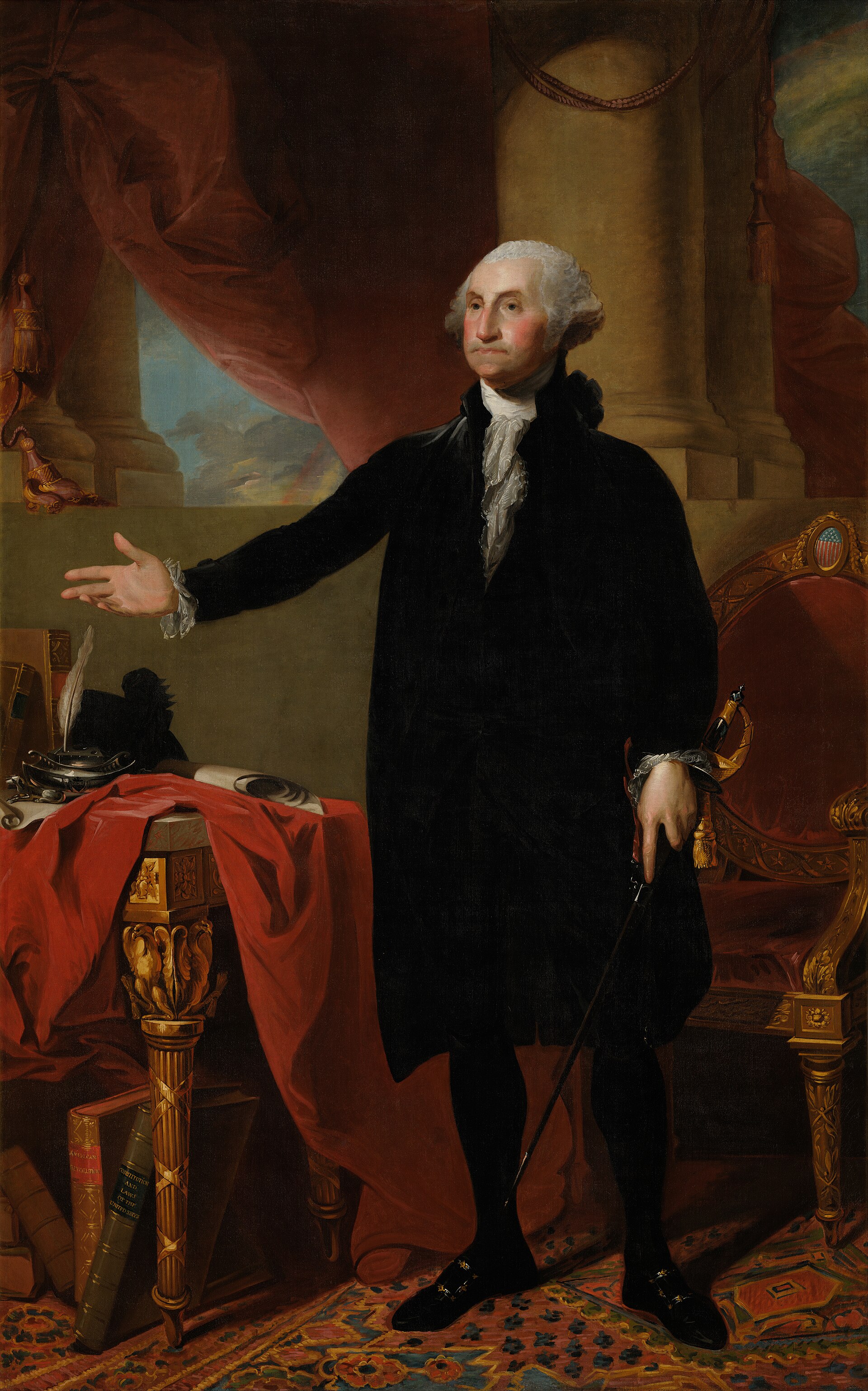
1789年,华盛顿全票当选首任总统。就职、内阁、向反对者伸手——他深知自己的每一步,都是在为后人立先例。
他只做两届便主动退隐,权力和平交接自此成例。1800年,亚当斯败选后按宪法把权力交给杰斐逊,美国第一次实现了政党之间的和平轮替。
新首都建在波托马克河畔,以华盛顿命名;联邦地区则以「哥伦比亚」为名,纪念Columbus。
二、国土翻倍与第二次对英战争
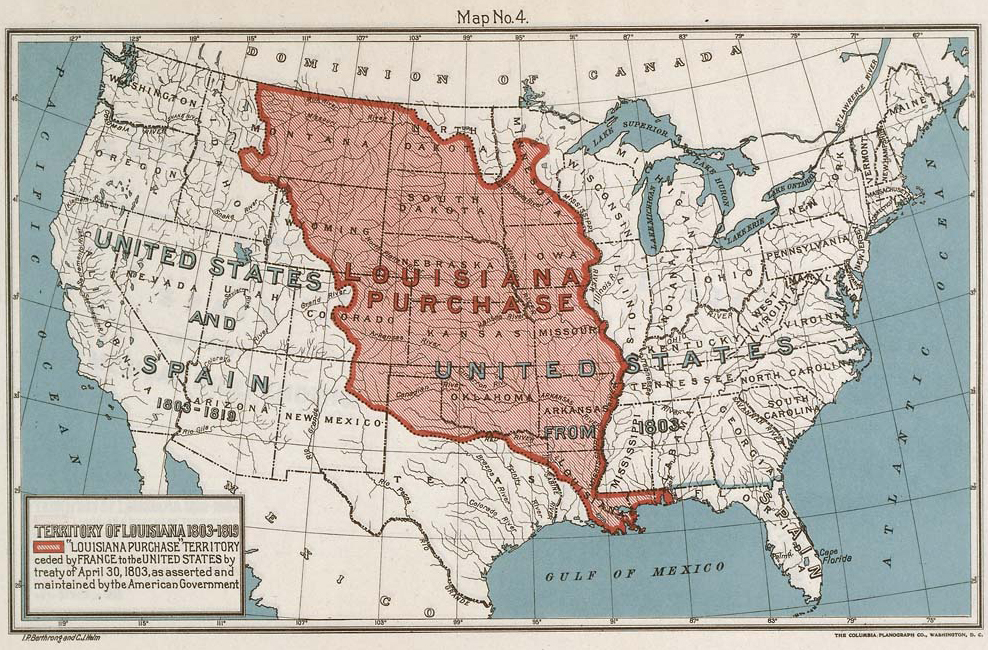
杰斐逊任内,美国向西土的欲望挡不住。1803年,拿破仑急需军费,以1500万美元把路易斯安那卖给美国——从密西西比河到落基山,约215万平方公里,国土一夜翻倍。
1804年,刘易斯与克拉克率探险队出发,印第安女子萨卡加维亚担任向导与翻译;两年半后,他们抵达太平洋又全程返回。
与英国的旧账未清:英舰强征美国水手、英方在边境挑动冲突,1812年美国对英宣战。英军1814年一度攻入华盛顿、焚烧国会与总统官邸;Baltimore麦克亨利堡扛住炮击,弗朗西斯·斯科特·基望着炮火后仍在飘扬的国旗,写下日后成为美国国歌的《星条旗》。
战争没有赢家,却在美国人心中坐实了独立:这个共和国,打不散了。
三、门罗主义与杰克逊时代
1823年,门罗总统在国情咨文中宣告:美洲不再接受欧洲殖民,欧洲也不得干预美洲事务——这就是「门罗主义」。它出自一个国力尚弱的国家之口,日后却成了美国外交的基石。
1828年,安德鲁·杰克逊当选总统。这位在New Orleans打赢英军的将军把总统宝座带给了普通白人选民,白人男性的普选权在各州陆续落地。
但民主的扩张伴随着驱逐。1830年杰克逊签署《印第安人迁移法》;1838至1839年,切罗基人被迫西迁,约4000人死于途中,史称「眼泪之路」。
四、昭昭天命
1840年代,「昭昭天命」成为时代口号:许多美国人相信,横贯大陆扩张是这个国家的使命。
1845年得克萨斯并入美国,次年美墨战争爆发。1848年条约签订,墨西哥割让加利福尼亚、内华达、犹他、亚利桑那等地,美国本土版图就此基本成形。
同年,加利福尼亚发现黄金。1849年一年,约30万「四九淘金客」从陆路与海路涌入西海岸。
新土地带来新问题:它们将以自由州还是蓄奴州的身份加入联邦?这个问题,将在下一章里撕裂这个国家。
(下一章:1815—1861,工业、改革与裂痕。)
A White House History of America (3): A Republic Expands — From the First President to Manifest Destiny, 1789–1840s
[Series note] Chapter Three of GSM's "A White House History of America" series: 1789 to the 1840s — the young republic chooses its first president, doubles in size, and pushes west to the Gulf of Mexico and the Pacific.
[Key dates]
1789 — George Washington becomes the first U.S. president
1803 — The Louisiana Purchase: 15 million dollars paid to France
1812 — War breaks out with Britain (to 1815)
1823 — President Monroe proclaims the Monroe Doctrine
1830 — The Indian Removal Act is signed
1845 — Texas is annexed
1848 — The Mexican-American War ends; gold is found in California
1. The Founding Presidents
In 1789 Washington was elected unanimously as the first president. His cabinet, his courtesies to opponents, his daily habits — he knew every step set a precedent.
He retired after two terms, making peaceful transfer of power a tradition. In 1800, John Adams lost an election and handed power to Thomas Jefferson under the Constitution — the republic's first peaceful transfer between rival parties.
The new capital rose on the Potomac, named for Washington; the federal district took the name Columbia, for Columbus.
2. A Doubled Map and a Second War with Britain
Under Jefferson, the pull west was irresistible. In 1803 Napoleon, needing money for war, sold Louisiana to the United States for 15 million dollars — some 828,000 square miles from the Mississippi to the Rockies. The nation doubled overnight.
In 1804, Lewis and Clark set out with Sacagawea, a Shoshone woman, as guide and interpreter; two and a half years later they had reached the Pacific and returned.
Old scores with Britain remained: American sailors were impressed into the Royal Navy and frontier tensions rose. In 1812 the United States declared war. British troops burned the Capitol and the President's House in 1814; at Baltimore, Fort McHenry held under bombardment, and Francis Scott Key, watching the flag still flying, wrote the verses that became "The Star-Spangled Banner."
The war settled little on paper — but it settled independence in the American mind.
3. The Monroe Doctrine and the Age of Jackson
In 1823, President Monroe told Congress the Americas were closed to new European colonization and that European interference in the hemisphere would be resisted — the Monroe Doctrine. Spoken by a still-modest power, it became a cornerstone of American foreign policy.
In 1828 Andrew Jackson, the hero of New Orleans, was elected president, carrying the presidency to ordinary white voters as universal white male suffrage spread through the states.
Expansion of democracy came with expulsion. Jackson signed the Indian Removal Act in 1830; in 1838–39 the Cherokee were forced west, and some 4,000 died on the journey remembered as the Trail of Tears.
4. Manifest Destiny
By the 1840s, "Manifest Destiny" was the slogan of the age: many Americans believed continental expansion was the nation's appointed mission.
Texas was annexed in 1845; war with Mexico followed in 1846. The treaty of 1848 ceded California, Nevada, Utah, Arizona and more — the map of the continental United States was essentially complete.
That same year, gold was found in California. In 1849 alone, some 300,000 "forty-niners" poured west by land and sea.
But every new territory raised the same question — would it enter the Union free or slave? In the next chapter, that question tears the country apart.
(Next chapter: 1815–1861, Industry, Reform and a House Dividing.)
来源:GSM·美国(原文链接)
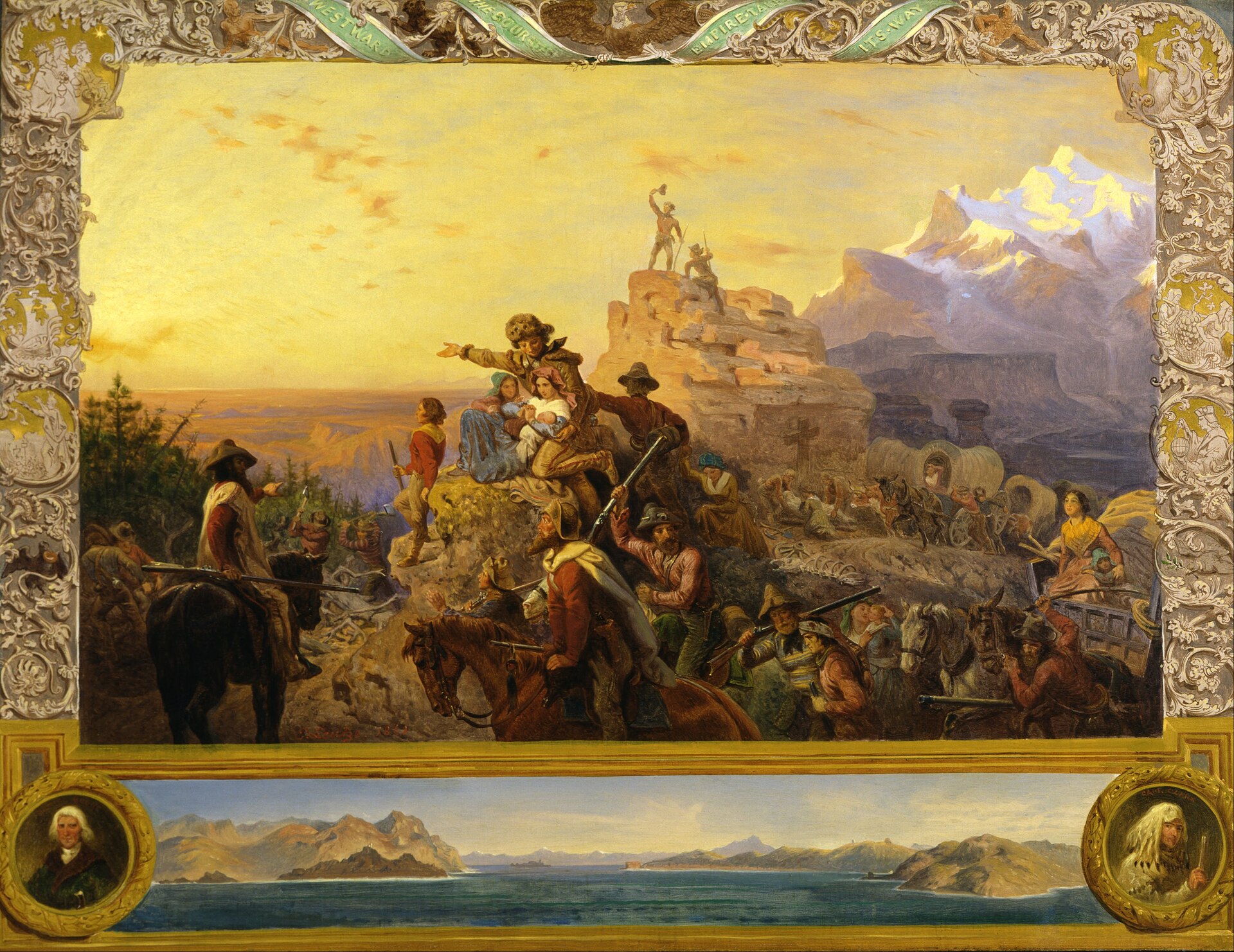
图片来源:图:伊曼纽尔·洛伊茨为美国国会大厦壁画《帝国向西进发》所绘的习作(约1861年),象征美国向西部大陆的扩张。图片来源:史密森美国艺术博物馆/Wikimedia Commons(公共领域)。Study by Emanuel Leutze for his U.S. Capitol mural 'Westward the Course of Empire Takes Its Way' (c. 1861), symbolizing America's westward expansion. Source: Smithsonian American Art Museum / Wikimedia Commons (public domain).
GSM Global · 本篇英文版 English edition of this story
- 2026-10-17 20:04白宫版美国历史(九):新世纪 从互联网时代到超级智能 1990年代至今
- 2026-10-17 20:04白宫版美国历史(八):冷战、民权与登月 从杜鲁门主义到柏林墙倒塌 1945–1991
- 2026-10-17 20:04白宫版美国历史(七):两次世界大战与大萧条 从阿尔贡森林到诺曼底 1914–1945
- 2026-10-17 20:04白宫版美国历史(六):钢铁、移民与改革者 从横贯铁路到妇女选举权 1870年代–1920
- 2026-10-17 20:04白宫版美国历史(五):内战与重建 从萨姆特堡到三条修正案 1861–1877
- 2026-10-17 20:04白宫版美国历史(四):工业、改革与裂痕 从运河工厂到斯科特案 1815–1861
- 2026-10-17 20:04白宫版美国历史(三):共和国扩张 从首任总统到昭昭天命 1789–1840年代本篇
- 2026-10-17 23:57白宫版美国历史(二):革命与建国 从倾茶抗争到Philadelphia制宪 1763–1789
- 2026-10-17 22:34白宫版美国历史(一):Columbus之后,十三个殖民地如何长成 1492–1763