白宫版美国历史(二):革命与建国 从倾茶抗争到Philadelphia制宪 1763–1789
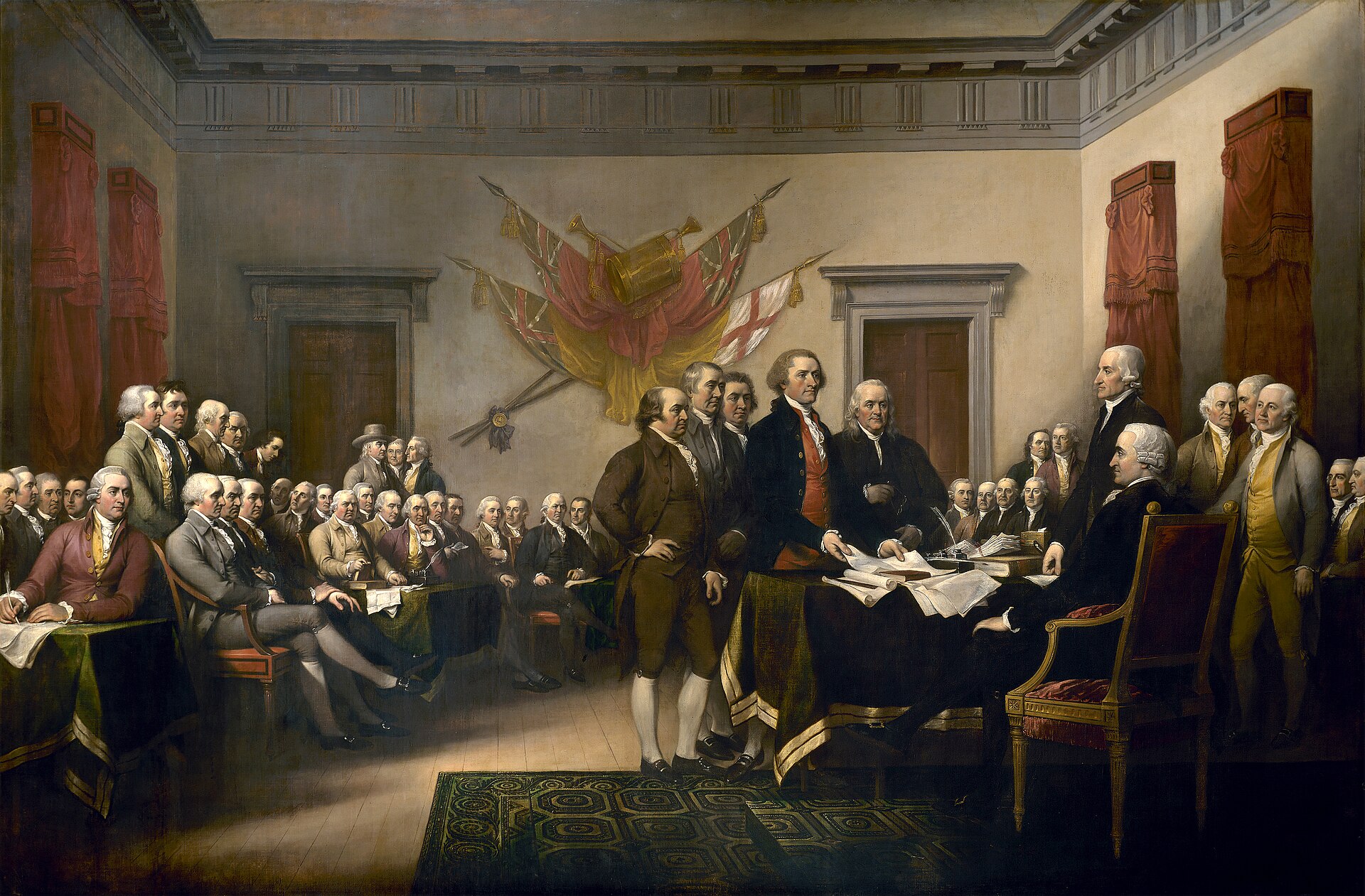
【开栏语】「白宫版美国历史」连载第二章:1763年至1789年——十三个殖民地如何从抗税走向独立,又如何为这个新国家写下一部宪法。
【本章大事记】
1765年,英国议会通过《印花税法》,「无代表不纳税」的呼声兴起
1773年,波士顿(Boston)倾茶事件
1776年,《独立宣言》通过
1781年,美法联军在约克镇取胜
1783年,《巴黎条约》签订,英国承认美国独立
1787年,Philadelphia制宪会议制定美国宪法
1791年,《权利法案》生效
一、因税而起的抗争
1763年之后,英国为偿还战争债务接连向殖民地加税。1765年的《印花税法》要求印刷品贴税票,是议会第一次直接向殖民地征税,「无代表不纳税」随之成为殖民者的共同呼声。
税法虽被废除,伦敦又通过《宣示法》,宣称有权为殖民地立法;1767年的《汤森税法》对进口品征税,引来新一轮抵制英货。1770年,波士顿驻军向人群开枪,5名居民丧生。
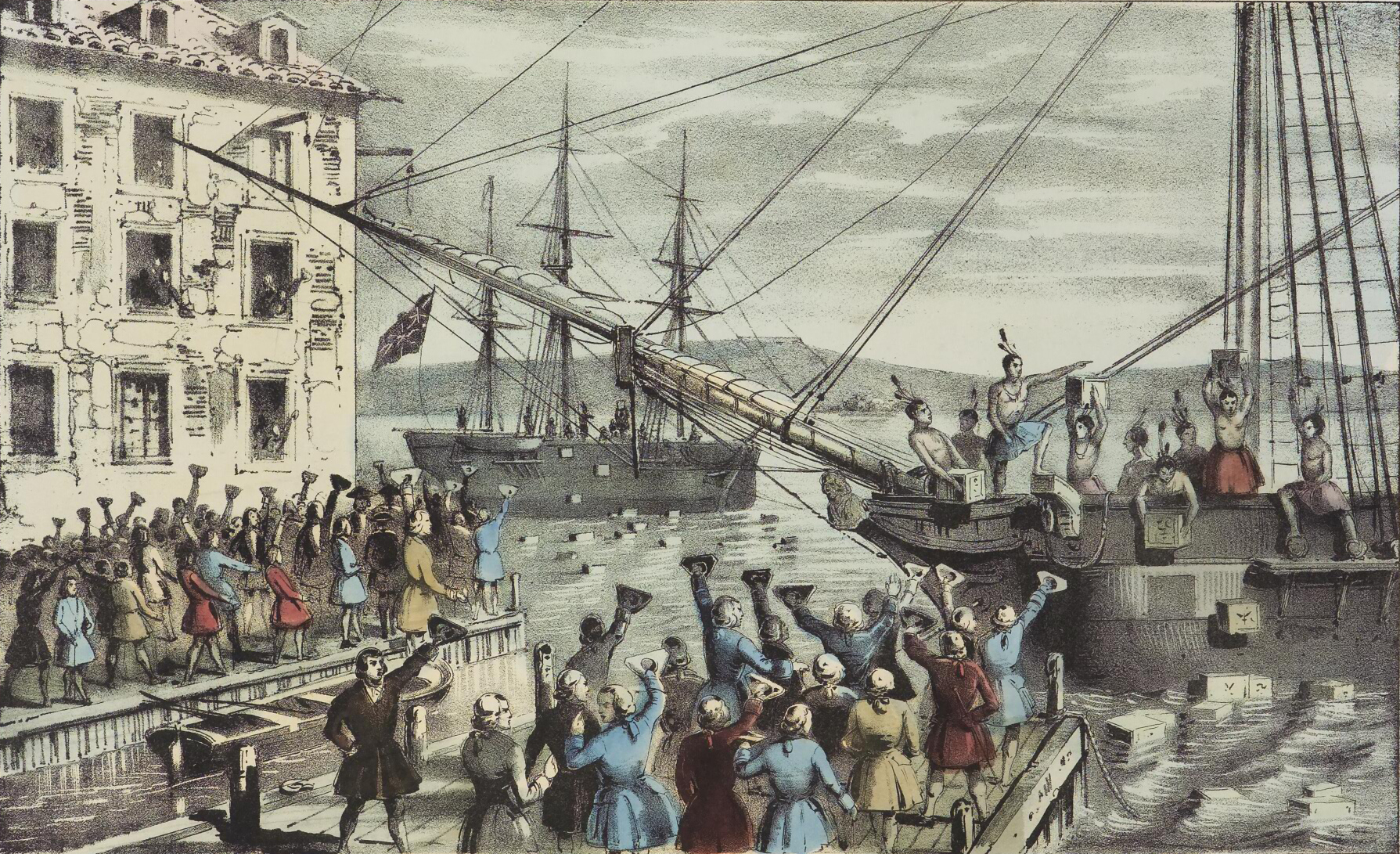
1773年,《茶叶法》被视为替东印度公司撑腰、重申议会的征税权。是年12月,「自由之子」成员夜里登上波士顿港的英船,把342箱茶叶倒入海中。
伦敦随即以1774年的「不可容忍法」关闭波士顿港、收紧马萨诸塞自治。分散的怨气,就此汇成统一的反抗。
二、《独立宣言》
1774年,除佐治亚外12个殖民地的代表在Philadelphia召开第一次大陆会议,抵制英货并向国王请愿。1775年莱克星顿与Concord交火之后,第二次大陆会议实际成了临时政府。
会议任命弗吉尼亚人乔治·华盛顿为大陆军总司令。殖民地一步步从求自治走向求独立。
1776年7月4日,大陆会议通过《独立宣言》:由托马斯·杰斐逊主笔,约翰·亚当斯与本杰明·富兰克林等人参与修改。
宣言宣告人人享有生命、自由与追求幸福等不可剥夺的权利。签字者都清楚:革命若失败,这份签名等同于以叛国罪押上性命。
三、独立战争
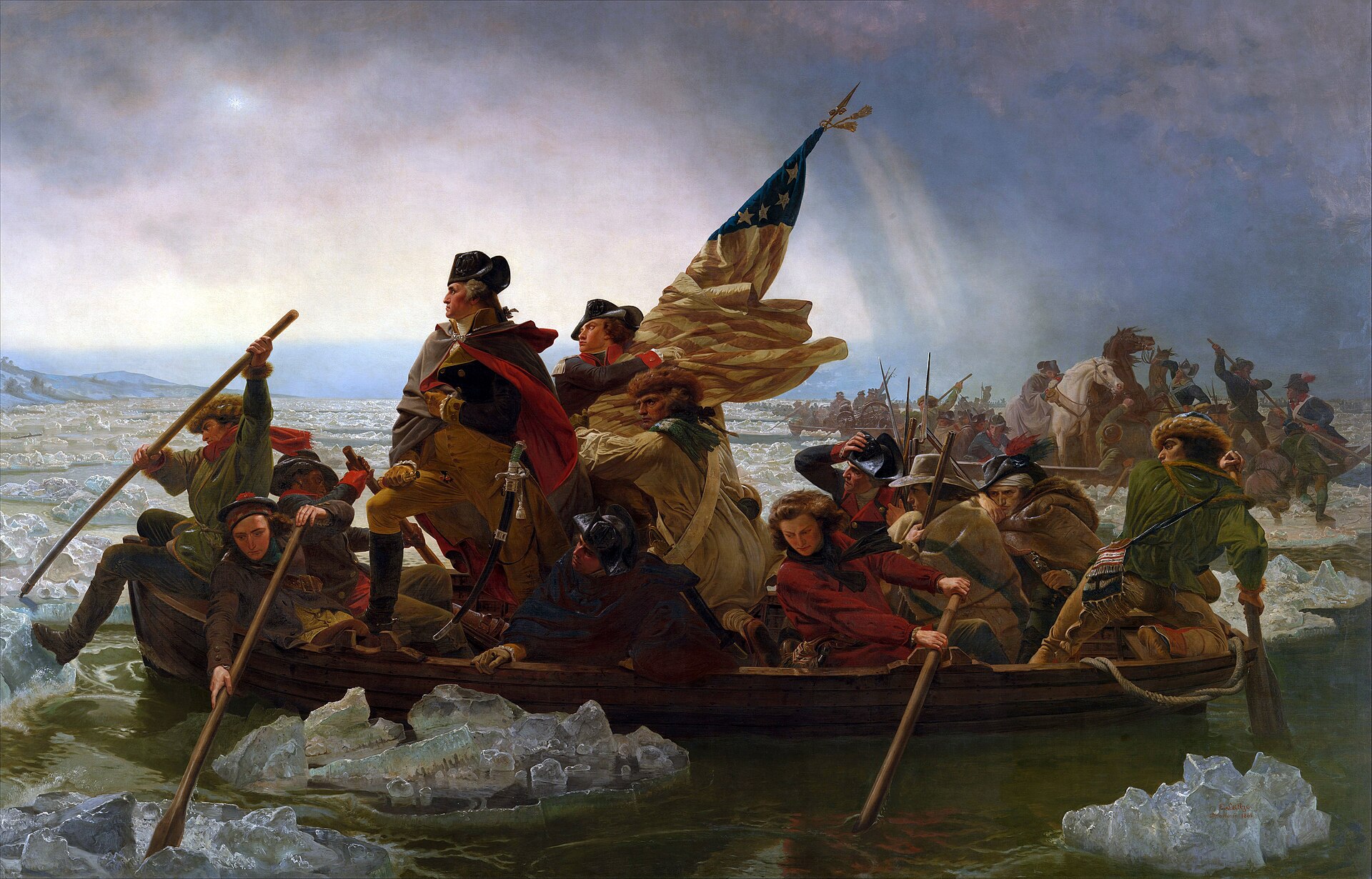
战争初期,大陆军面对训练与补给占优的英军连吃败仗。1776年圣诞夜,华盛顿率军横渡结冰的特拉华河,突袭特伦顿得手,挽回了濒临崩溃的士气。
1777年至1778年的福吉谷严冬是最低谷:疾病、饥饿与缺衣夺走许多士兵的生命;普鲁士军官施托伊本的严格训练,让这支军队脱胎换骨。
1777年的Saratoga大捷是转折点。法国据此与美国正式结盟,送来军援、物资与海军。
1781年,美法联军在弗吉尼亚的约克镇围困英军,康沃利斯投降,主要战事结束。1783年《巴黎条约》签订,英国承认美国独立;新国家疆界西抵密西西比河。
四、从邦联到宪法
独立后的第一部框架《邦联条例》刻意把中央权力压到最低:不能征税,不能规范州际贸易,也无力执行自己的法律。
1786至1787年,马萨诸塞州负债农民发动谢司叛乱,中央政府竟无力应对。弱政府的代价摆在所有人面前。
1787年夏,12个州的代表在Philadelphia集会,本为修订《邦联条例》,最终起草出一部全新宪法:联邦之下立法、行政、司法三权分立、相互制衡。
大州与小州之争,以众议院按人口比例、参议院每州两席的两院制折中。批准之争激烈,汉密尔顿、麦迪逊与杰伊写下《联邦党人文集》公开游说。
为回应宪法保障个人自由不足之虑,前十条修正案——《权利法案》——于1791年加入:言论、宗教、新闻自由与持枪权等被逐条写明。共和国的骨架,就此立起。
(下一章:1789—1840年代,共和国扩张。)
A White House History of America (2): Revolution and Founding — From Tea Party Protests to the Philadelphia Convention, 1763–1789
[Series note] Chapter Two of GSM's "A White House History of America" series: 1763–1789 — how a quarrel over taxes became a war for independence, and how the new nation then gave itself a constitution.
[Key dates]
1765 — Parliament passes the Stamp Act; "no taxation without representation"
1773 — The Boston Tea Party
1776 — The Declaration of Independence is adopted
1781 — American and French forces win at Yorktown
1783 — The Treaty of Paris; Britain recognizes American independence
1787 — The Philadelphia Convention drafts the U.S. Constitution
1791 — The Bill of Rights takes effect
1. A Quarrel Over Taxes
After 1763, Britain taxed the colonies to pay its war debts. The Stamp Act of 1765, Parliament's first direct tax on the colonies, raised the cry of "no taxation without representation."
The tax was repealed, but the Declaratory Act asserted Parliament's right to legislate for the colonies; the Townshend duties of 1767 brought boycotts. In 1770, British troops in Boston fired on a crowd, killing five.
In 1773 the Tea Act was read as a bailout for the East India Company and a reassertion of Parliament's taxing power. That December, members of the Sons of Liberty boarded ships in Boston Harbor and dumped 342 chests of tea into the water.
Parliament answered with the Coercive Acts of 1774, closing Boston's port and curbing Massachusetts self-government. Scattered grievances became united resistance.
2. The Declaration of Independence
In 1774, twelve colonies sent delegates to the First Continental Congress in Philadelphia to boycott British goods and petition the king. After the fighting at Lexington and Concord in 1775, the Second Continental Congress became a government in practice.
It named George Washington of Virginia to command the Continental Army. Step by step, the colonies moved from demanding rights to demanding independence.
On July 4, 1776, Congress adopted the Declaration of Independence, drafted mainly by Thomas Jefferson and revised with John Adams and Benjamin Franklin among others.
It proclaimed unalienable rights to life, liberty and the pursuit of happiness. The signers knew that if the Revolution failed, their signatures meant execution for treason.
3. The War for Independence
Early on, the Continental Army lost battle after battle to better-trained, better-supplied British forces. On Christmas night 1776, Washington crossed the ice-choked Delaware River and struck Trenton, reviving a collapsing cause.
The winter of 1777–78 at Valley Forge was the low point: disease, hunger and cold killed many soldiers, while Prussian officer Baron von Steuben drilled the survivors into a disciplined army.
Victory at Saratoga in 1777 was the turning point. France formally allied with the United States, sending money, supplies and a navy.
In 1781, American and French forces trapped the British at Yorktown, Virginia, and Cornwallis surrendered. The Treaty of Paris (1783) won British recognition of independence, with territory stretching to the Mississippi.
4. From Confederation to Constitution
The first frame of government, the Articles of Confederation, kept the central government deliberately weak: no power to tax, to regulate trade between the states, or to enforce its own laws.
When indebted Massachusetts farmers rose in Shays' Rebellion (1786–87), the government could not respond. The cost of weakness was plain to everyone.
In the summer of 1787, delegates from twelve states met in Philadelphia to revise the Articles — and instead wrote a new Constitution: a federal system of three branches, separated and checking one another.
The fight between large and small states was settled by a two-house legislature: a House apportioned by population and a Senate with two seats per state. Ratification was hard-fought, with Hamilton, Madison and Jay arguing the case in The Federalist Papers.
To answer fears that individual liberty was unprotected, the first ten amendments — the Bill of Rights — were added in 1791, spelling out freedoms of speech, religion and the press, and the right to bear arms. The skeleton of the republic was in place.
(Next chapter: 1789–1840s, A Republic Expands.)
来源:GSM·美国(原文链接)
图片来源:图:约翰·特朗布尔油画《独立宣言》(1819年),描绘起草委员会向大陆会议提交《独立宣言》草案的场景。图片来源:Wikimedia Commons(公共领域)。Painting: John Trumbull, Declaration of Independence (1819), showing the drafting committee presenting the Declaration to the Continental Congress. Source: Wikimedia Commons (public domain).
GSM Global · 本篇英文版 English edition of this story
- 2026-10-17 20:04白宫版美国历史(九):新世纪 从互联网时代到超级智能 1990年代至今
- 2026-10-17 20:04白宫版美国历史(八):冷战、民权与登月 从杜鲁门主义到柏林墙倒塌 1945–1991
- 2026-10-17 20:04白宫版美国历史(七):两次世界大战与大萧条 从阿尔贡森林到诺曼底 1914–1945
- 2026-10-17 20:04白宫版美国历史(六):钢铁、移民与改革者 从横贯铁路到妇女选举权 1870年代–1920
- 2026-10-17 20:04白宫版美国历史(五):内战与重建 从萨姆特堡到三条修正案 1861–1877
- 2026-10-17 20:04白宫版美国历史(四):工业、改革与裂痕 从运河工厂到斯科特案 1815–1861
- 2026-10-17 20:04白宫版美国历史(三):共和国扩张 从首任总统到昭昭天命 1789–1840年代
- 2026-10-17 23:57白宫版美国历史(二):革命与建国 从倾茶抗争到Philadelphia制宪 1763–1789本篇
- 2026-10-17 22:34白宫版美国历史(一):Columbus之后,十三个殖民地如何长成 1492–1763