白宫版美国历史(一):Columbus之后,十三个殖民地如何长成 1492–1763
【开栏语】白宫官网近日推出《人民的美国史》(A People's History of the United States),由白宫官方按年代编写,讲述这个国家从何而来。GSM 自本篇起开设「白宫版美国历史」连载,据该书章节顺序逐章讲述。对生活在美国的华人读者而言,读懂这个国家的来路,是读懂它今天诸多规矩与观念的第一步。本篇是第一章:1492年至1763年,殖民地时代。
【本章大事记】
1492年,Columbus抵达美洲
1565年,西班牙人建立圣奥古斯丁
1607年,英国人建立詹姆斯敦
1619年,弗吉尼亚成立殖民地第一个民选议会
1620年,「五月花号」抵达普利茅斯
1754—1763年,英法为北美打了七年战争
一、新大陆的大门打开
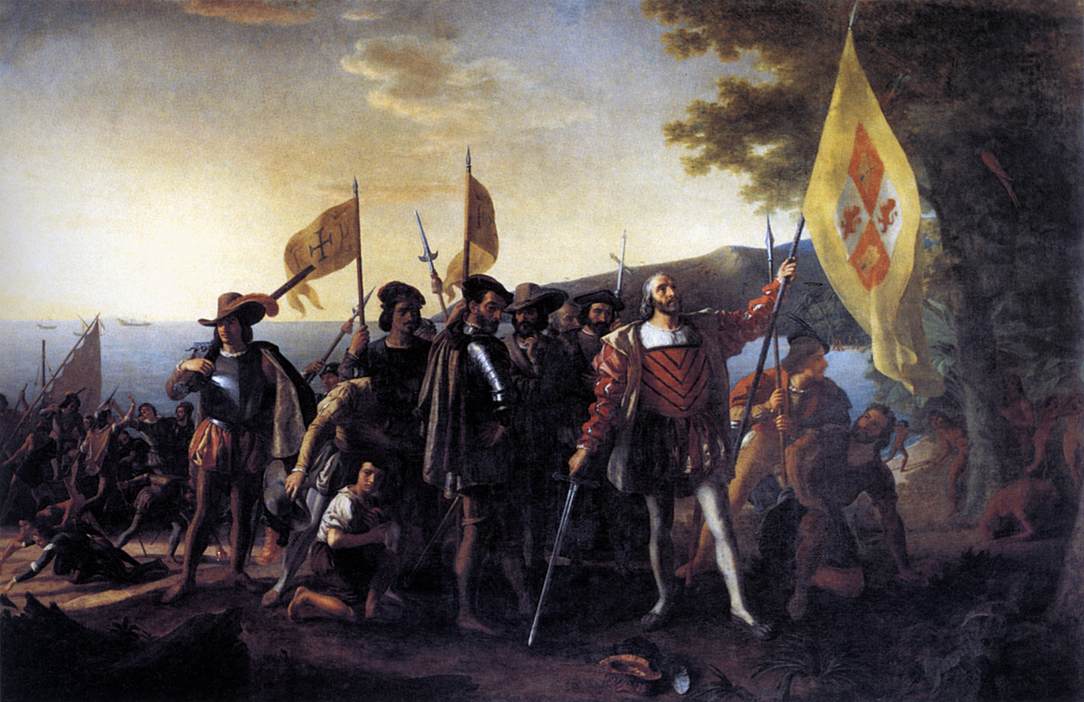
1492年,Columbus在西班牙王室资助下横渡大西洋、抵达美洲,欧洲人对这片大陆的持续探索与殖民由此开始。
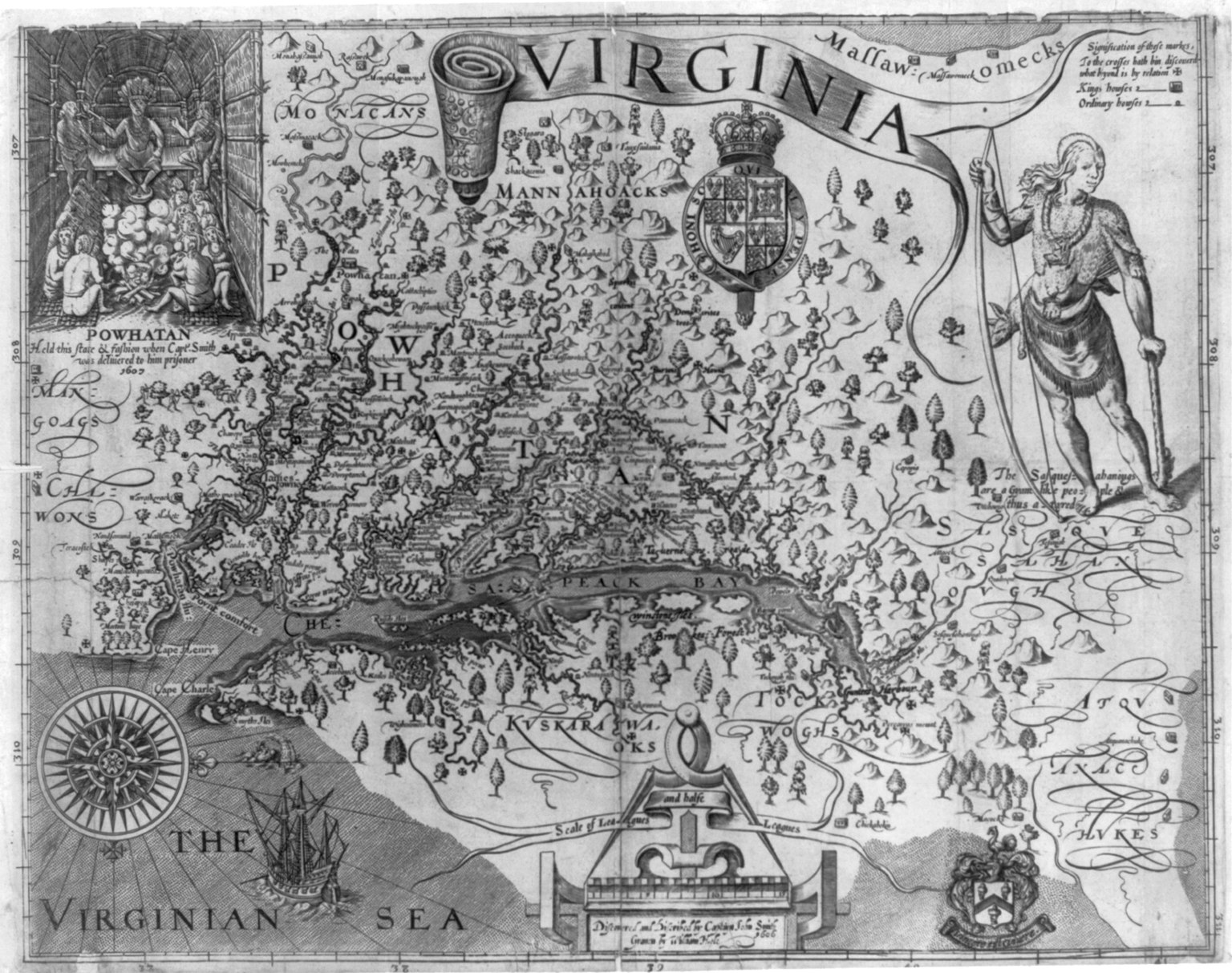
西班牙人1565年在佛罗里达建起圣奥古斯丁——今天美国大陆上历史最久的欧洲人定居点,用以护卫从加勒比海返回欧洲的珍宝船队;英国人1607年建立詹姆斯敦,开启英国在北美的永久殖民;法国人与荷兰人也相继落脚,前者在北方从事皮毛贸易、与原住民结盟,后者定居在今天纽约一带。
二、十三个殖民地,各有各的活法
此后一百多年,英国沿大西洋沿岸陆续建成十三个殖民地,各有各的来路与活法:弗吉尼亚为逐利而来,靠烟草等经济作物立身;马萨诸塞多是为信仰自由渡海的清教徒。
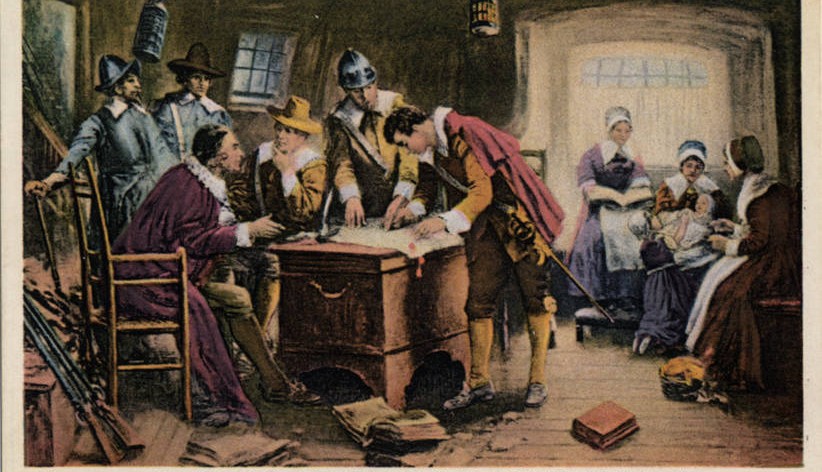
1620年,「五月花号」抵达普利茅斯,乘客在上岸前签下《五月花号公约》,约定以彼此同意的方式实行自治——「政府须经被治理者同意」的种子,早早便埋了下来。那个冬天,疾病、严寒与饥饿夺走了约一半乘客的生命;幸存者在万帕诺亚格人的帮助下学会种玉米、在本地水域捕鱼,用对了肥料,第二年的丰收成了第一个感恩节的由来。
三、三角贸易与三种经济
殖民地的经济被卷入横跨大西洋的「三角贸易」:殖民地的原料、欧洲的制成品与非洲的被奴役者在同一张网络里流转,奴隶制在依赖大型种植园的南方扎下根来。
各区域分工分明:新英格兰靠造船、捕鱼与小农经济,中部殖民地粮产丰盛、有「面包篮」之称,南方则是烟草、水稻与靛蓝的种植园经济。治理上,殖民地一边受王室管辖,一边设有自己的议会——1619年弗吉尼亚成立的众议院是殖民地第一个民选立法机构,定居者在英国统治之下也有了发声的渠道。
四、一场大战,埋下革命的种子
1754年至1763年,英国与法国为争夺北美、尤其是俄亥俄河谷,打了一场旷日持久的战争。英国获胜,拿下加拿大与密西西比河以东的大片土地,却也背上巨额债务。
伦敦随即向殖民地加征新税以偿还债务,殖民地人认为,未经他们同意征税侵犯了自己身为英国臣民的权利;1763年的一纸公告又禁止殖民者越过阿巴拉契亚山脉西进定居,让许多打过仗、正指望获得土地的人大为不满。正是在这几年,「政府的正当性来自被治理者的同意」从一句抱怨长成了共识——革命的舞台,就此搭好。
(下一章:1763—1789,革命与建国。)
A White House History of America (1): After Columbus — How the Thirteen Colonies Took Root, 1492–1763
[Series note] The White House has published A People's History of the United States, an official chronological account of how the nation came to be. GSM retells it here chapter by chapter. For Chinese readers living in the United States, understanding where this country came from is the first step to understanding many of its rules and ideas today. This is Chapter One: 1492 to 1763, the colonial era.
[Key dates]
1492 — Columbus reaches the Americas
1565 — Spain founds St. Augustine
1607 — England founds Jamestown
1619 — Virginia forms the colonies' first elected assembly
1620 — The Mayflower reaches Plymouth
1754–1763 — Britain and France fight a seven-year war for North America
1. Opening the Door to a New World
In 1492 Christopher Columbus, financed by the Spanish Crown, crossed the Atlantic and reached the Americas, opening an era of sustained European exploration and settlement.
Spain founded St. Augustine, Florida, in 1565 — the oldest continuously occupied European settlement in the continental United States — as a military outpost guarding treasure fleets sailing from the Caribbean back to Europe. English settlers founded Jamestown in 1607, the start of permanent English colonization. France and the Netherlands also gained footholds, the French trading furs and allying with Native nations in the north, the Dutch settling around present-day New York.
2. Thirteen Colonies, Each Its Own
Over the following century and more, England established thirteen colonies along the Atlantic coast, each with its own character. Virginia was settled largely for profit, built on cash crops such as tobacco; Massachusetts was settled largely by Puritans seeking to worship by their conscience.
In 1620 the Mayflower reached Plymouth, and before coming ashore its passengers signed the Mayflower Compact, agreeing to govern themselves by mutual consent — an early seed of the idea that government rests on the consent of the governed. That first winter, disease, exposure and malnutrition killed roughly half of them. The survivors endured with help from the Wampanoag people, who taught them to grow corn, fish local waters and fertilize the region's soil; the next year's harvest became the basis of the first Thanksgiving.
3. Triangular Trade and Three Economies
Colonial economies were bound into the triangular trade, the Atlantic network exchanging colonial raw materials, European manufactured goods and enslaved Africans — and slavery took root in the South, where plantation agriculture rested on forced labor.
Regions diverged: New England leaned on shipbuilding, fishing and small farms; the Middle colonies became the "breadbasket" for their grain; the South ran plantation economies of tobacco, rice and indigo. Governance mixed royal oversight with local self-rule: colonial assemblies, beginning with Virginia's House of Burgesses in 1619, the first representative legislative body in the colonies, gave settlers a political voice even under British authority.
4. A War That Planted the Seeds of Revolution
From 1754 to 1763, Britain and France fought over North America, above all the Ohio River Valley. Britain won, gaining Canada and the land east of the Mississippi — and an enormous war debt.
Parliament then imposed new taxes on the colonies to help pay it, which colonists saw as a violation of their rights as Englishmen, since they had no say in the matter. The Proclamation of 1763, forbidding settlement west of the Appalachians, deepened the anger of many who had fought expecting access to that land. In these years the conviction hardened that legitimate government must rest on the consent of the governed — and the stage was set for revolution.
(Next chapter: 1763–1789, Revolution and Founding.)
来源:GSM·美国(原文链接)
图片来源:图:约翰·范德林油画《哥伦布在瓜纳哈尼登陆,1492年》。图片来源:Wikimedia Commons(公共领域)。Painting: John Vanderlyn, Columbus Landing at Guanahani, 1492. Source: Wikimedia Commons (public domain).
GSM Global · 本篇英文版 English edition of this story
- 2026-10-17 20:04白宫版美国历史(九):新世纪 从互联网时代到超级智能 1990年代至今
- 2026-10-17 20:04白宫版美国历史(八):冷战、民权与登月 从杜鲁门主义到柏林墙倒塌 1945–1991
- 2026-10-17 20:04白宫版美国历史(七):两次世界大战与大萧条 从阿尔贡森林到诺曼底 1914–1945
- 2026-10-17 20:04白宫版美国历史(六):钢铁、移民与改革者 从横贯铁路到妇女选举权 1870年代–1920
- 2026-10-17 20:04白宫版美国历史(五):内战与重建 从萨姆特堡到三条修正案 1861–1877
- 2026-10-17 20:04白宫版美国历史(四):工业、改革与裂痕 从运河工厂到斯科特案 1815–1861
- 2026-10-17 20:04白宫版美国历史(三):共和国扩张 从首任总统到昭昭天命 1789–1840年代
- 2026-10-17 23:57白宫版美国历史(二):革命与建国 从倾茶抗争到Philadelphia制宪 1763–1789
- 2026-10-17 22:34白宫版美国历史(一):Columbus之后,十三个殖民地如何长成 1492–1763本篇