白宫版美国历史(七):两次世界大战与大萧条 从阿尔贡森林到诺曼底 1914–1945
【开栏语】「白宫版美国历史」连载第七章:1914年至1945年——美国先后卷入两次世界大战,中间隔着一场大萧条;到1945年,它以世界第一强国的身份走出战争。
【本章大事记】
1917年,美国对德宣战,参加第一次世界大战
1918年,第一次世界大战停战
1929年,华尔街股市崩盘,大萧条开始
1933年,富兰克林·罗斯福就任总统,「新政」启动
1941年,珍珠港事件,美国参加第二次世界大战
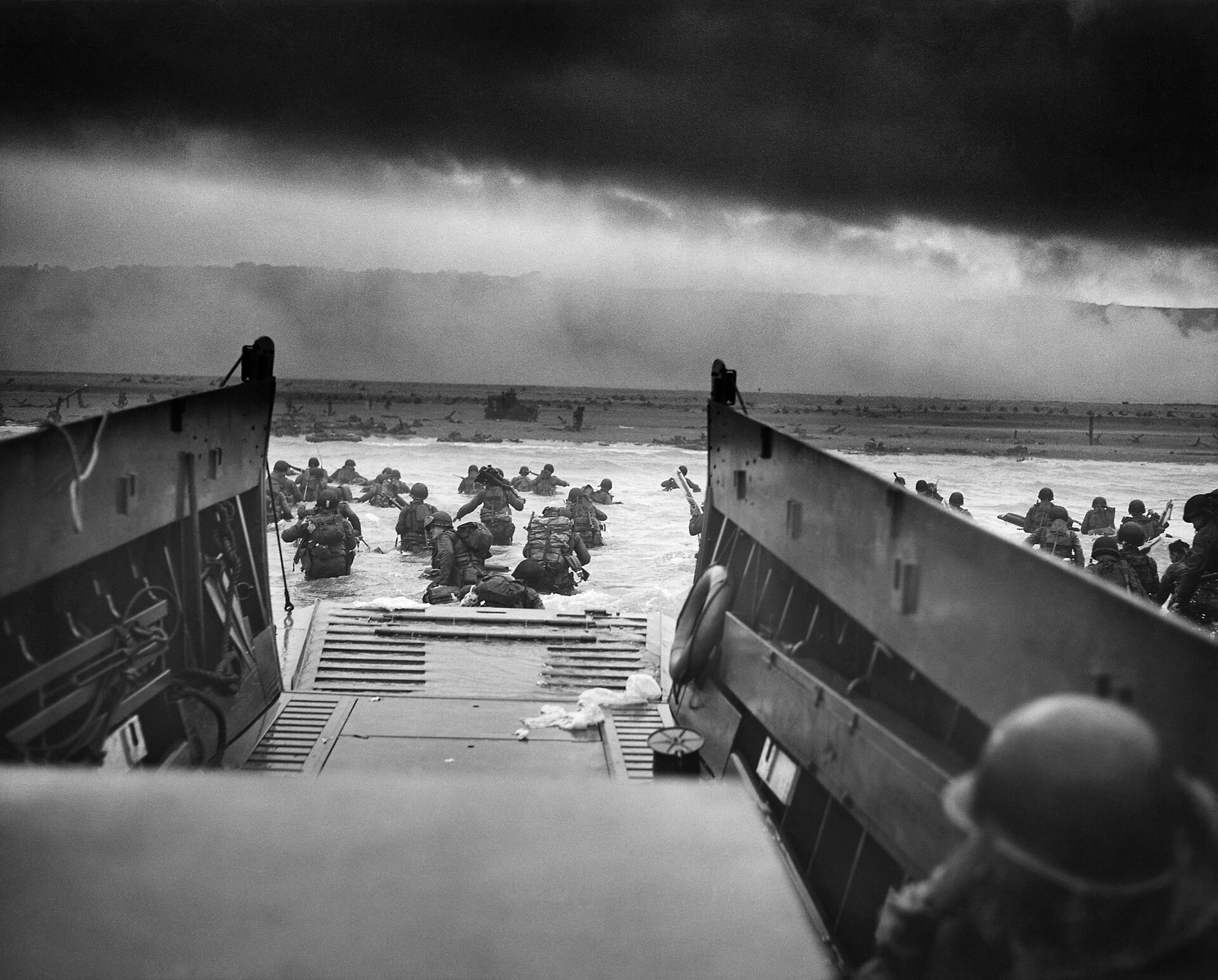
1944年,盟军诺曼底登陆
1945年,第二次世界大战结束;联合国成立
一、第一次世界大战
1914年欧洲开战时,美国先守中立;但德国潜艇击沉客轮、加上1917年「齐默尔曼电报」曝光——德国密邀墨西哥进攻美国——国会于1917年4月对德宣战。
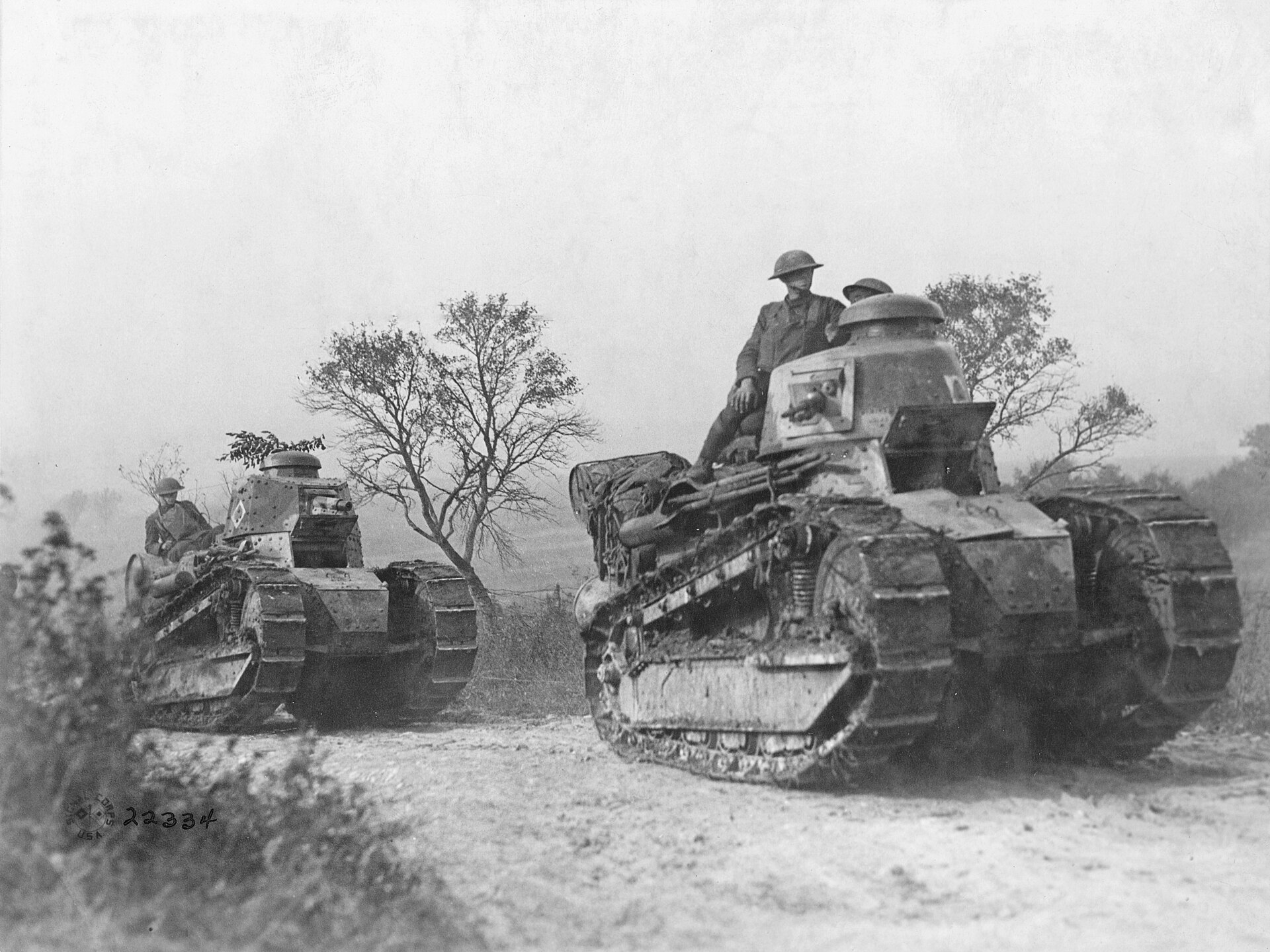
200多万美军远征欧洲。1918年秋的默兹—阿尔贡战役投入约120万美军,是美国当时史上最大的一场战役;11月11日停战,美国阵亡约11.6万人。
威尔逊总统带着「十四点计划」赴巴黎,主张建立国际联盟;参议院却拒绝批准条约,美国没有加入自己倡议的国联。
二、繁荣的二十年代
战后十年表面繁荣:汽车走进千家万户,收音机与电影塑造了第一代全国流行文化,爵士乐从New Orleans传遍北方城市,哈莱姆文艺复兴让非裔作家与音乐家登上舞台。
阴影也在:禁酒令催生私酒黑市;三K党死灰复燃;1925年田纳西州的斯科普斯案,为进化论的课堂命运打了一场轰动全国的官司。
三、大萧条与新政
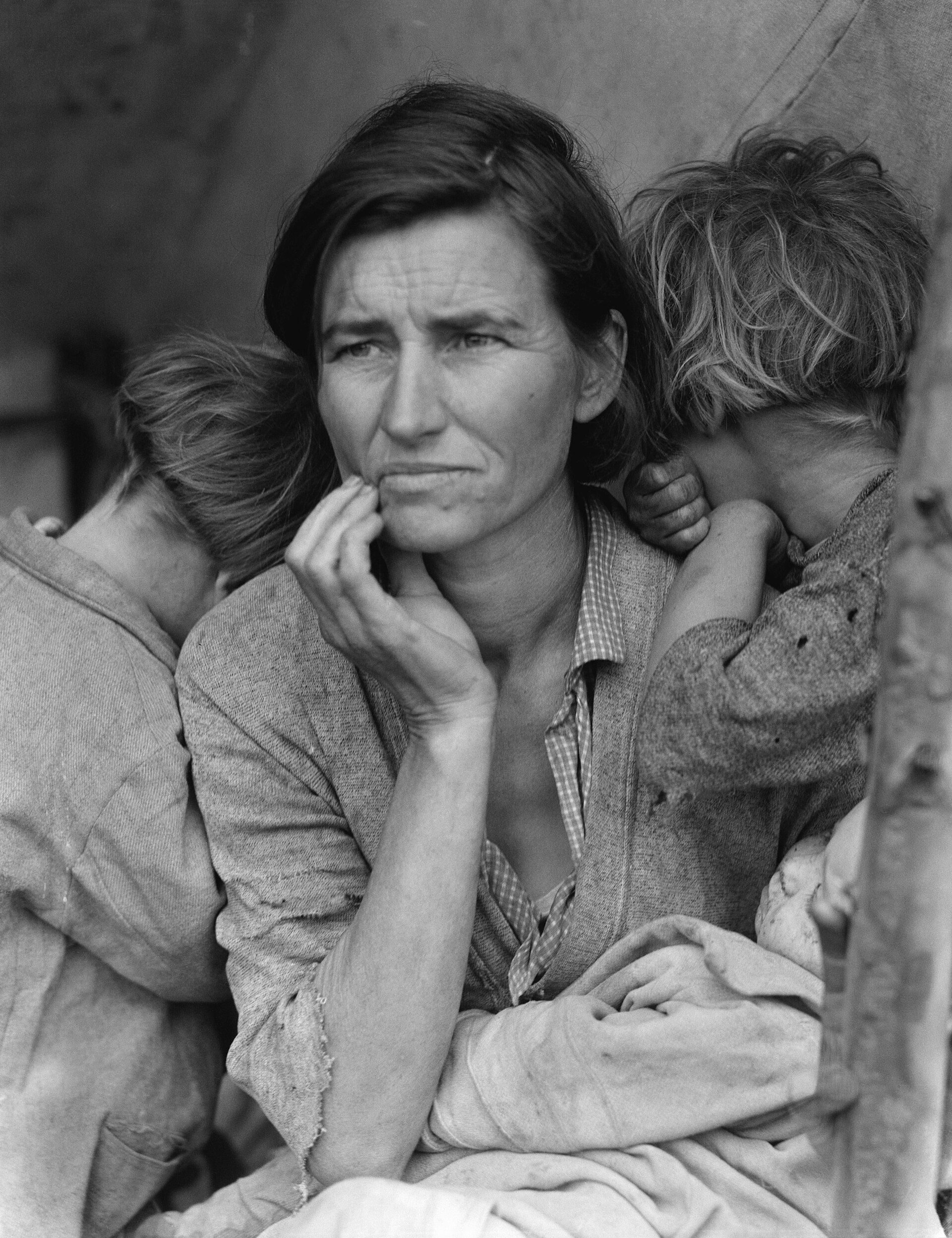
1929年10月股市崩盘。到1933年,全国约四分之一劳动力失业,9000多家银行倒闭;无家可归者在各城市边缘搭起「胡佛村」,中部大平原又遇连年干旱与沙尘暴,数十万家庭西迁加州。
1933年,富兰克林·罗斯福就任,提出「新政」:银行先停业整顿再重开;民间保育团招募约300万失业青年植树修路;工程进度管理局雇人数百万修桥铺路、也雇艺术家作画写书。
1935年《社会保障法》建立养老金与失业保险,《瓦格纳法》保障工人组织工会的权利。新政没有终结萧条,却重塑了联邦政府的角色——华盛顿从此直接对普通人的生计负责。
四、第二次世界大战
1941年12月7日,日本偷袭珍珠港,美国对日、对德宣战。1600万美国人穿上军装;后方工厂全速运转,数百万妇女走进车间,「铆钉工罗西」成为时代符号。
1944年6月6日,约15.6万盟军士兵在诺曼底登陆,开辟欧洲第二战场;次年5月,德国投降。太平洋战场上,美军逐岛推进,硫磺岛与冲绳战况惨烈。
战争以原子弹与日本投降告终,美国阵亡约40.5万人。阴影同样深重:约12万日裔美国人被强制迁入拘禁营;纳粹大屠杀的真相战后全面曝光,约600万犹太人遇难。
1945年,联合国在旧金山成立。美国以世界经济与军事第一强国的身份,步入下一个时代。
(下一章:1945—1991,冷战、民权与登月。)
A White House History of America (7): World Wars and the Great Depression — From the Argonne to Normandy, 1914–1945
[Series note] Chapter Seven of GSM's "A White House History of America" series: 1914–1945 — America is drawn into two world wars with a Great Depression between them, and emerges in 1945 as the world's leading power.
[Key dates]
1917 — The United States declares war on Germany and enters World War I
1918 — The First World War ends in armistice
1929 — The Wall Street crash; the Great Depression begins
1933 — Franklin D. Roosevelt takes office; the New Deal begins
1941 — Pearl Harbor; the United States enters World War II
1944 — The Normandy landings
1945 — World War II ends; the United Nations is founded
1. The First World War
When Europe went to war in 1914, America held to neutrality — until German U-boats sank passenger ships and, in 1917, the Zimmermann Telegram surfaced, Germany's secret bid to bring Mexico into war against the United States. Congress declared war that April.
More than two million American soldiers crossed the Atlantic. The Meuse-Argonne offensive of autumn 1918 engaged some 1.2 million of them, then the largest battle in American history; the armistice came on November 11. About 116,000 Americans had died.
President Wilson carried his Fourteen Points to Paris and championed a League of Nations — but the Senate refused the treaty, and the United States never joined the League it had proposed.
2. The Roaring Twenties
The postwar decade glittered: automobiles reached ordinary households, radio and movies built the first national popular culture, jazz traveled from New Orleans to northern cities, and the Harlem Renaissance put Black writers and musicians on the national stage.
The shadows were real too: Prohibition fed a bootlegging underworld; the Ku Klux Klan revived; and in 1925 Tennessee's Scopes Trial turned the teaching of evolution into a national courtroom drama.
3. The Great Depression and the New Deal
In October 1929 the stock market crashed. By 1933 about a quarter of the workforce was unemployed and more than 9,000 banks had failed; the homeless built "Hoovervilles" on city edges, while drought and dust storms on the Great Plains drove hundreds of thousands of families west to California.
Franklin D. Roosevelt, inaugurated in 1933, answered with the New Deal: banks were closed, inspected and reopened; the Civilian Conservation Corps put some three million young men to work planting trees and building parks; the Works Progress Administration employed millions more on roads and bridges — and hired artists and writers too.
The Social Security Act of 1935 created old-age pensions and unemployment insurance; the Wagner Act protected workers' right to unionize. The New Deal did not end the Depression, but it remade the federal government's role — Washington now answered directly for ordinary livelihoods.
4. The Second World War
On December 7, 1941, Japan attacked Pearl Harbor; the United States declared war on Japan and Germany. Sixteen million Americans served in uniform; factories ran at full tilt and millions of women entered industrial work — "Rosie the Riveter" became an emblem of the home front.
On June 6, 1944, some 156,000 Allied troops landed in Normandy, opening the second front in Europe; Germany surrendered the following May. In the Pacific, American forces advanced island by island through the brutal fighting of Iwo Jima and Okinawa.
The war ended with the atomic bombings and Japan's surrender; about 405,000 Americans died. The shadows were deep: some 120,000 Japanese Americans were forcibly removed to incarceration camps, and after the war the full truth of the Holocaust emerged — six million Jews murdered.
In 1945 the United Nations was founded at San Francisco. The United States entered the next era as the world's foremost economic and military power.
(Next chapter: 1945–1991, The Cold War, Civil Rights and the Moon.)
来源:GSM·美国(原文链接)
图片来源:图:1944年6月6日清晨,诺曼底登陆——一艘美军登陆艇在「犹他」海滩放下士兵。海岸警卫队摄影师罗伯特·F·萨金特称此作《踏入死神之口》。图片来源:美国国家档案馆(公共领域)。'Into the Jaws of Death' — troops of the U.S. Army's 1st Infantry Division disembark from a Coast Guard landing craft at Utah Beach, Normandy, on the morning of June 6, 1944. Photograph by Robert F. Sargent, USCG. Source: U.S. National Archives (public domain).
GSM Global · 本篇英文版 English edition of this story
- 2026-10-17 20:04白宫版美国历史(九):新世纪 从互联网时代到超级智能 1990年代至今
- 2026-10-17 20:04白宫版美国历史(八):冷战、民权与登月 从杜鲁门主义到柏林墙倒塌 1945–1991
- 2026-10-17 20:04白宫版美国历史(七):两次世界大战与大萧条 从阿尔贡森林到诺曼底 1914–1945本篇
- 2026-10-17 20:04白宫版美国历史(六):钢铁、移民与改革者 从横贯铁路到妇女选举权 1870年代–1920
- 2026-10-17 20:04白宫版美国历史(五):内战与重建 从萨姆特堡到三条修正案 1861–1877
- 2026-10-17 20:04白宫版美国历史(四):工业、改革与裂痕 从运河工厂到斯科特案 1815–1861
- 2026-10-17 20:04白宫版美国历史(三):共和国扩张 从首任总统到昭昭天命 1789–1840年代
- 2026-10-17 23:57白宫版美国历史(二):革命与建国 从倾茶抗争到Philadelphia制宪 1763–1789
- 2026-10-17 22:34白宫版美国历史(一):Columbus之后,十三个殖民地如何长成 1492–1763