六十票过关,政府还没有开门:最长停摆协议成交了什么,又把什么推给了 12 月
华盛顿,11 月 10 日 — 美国联邦政府停摆进入第 41 天,创下美国历史最长纪录后的第一个工作日,政府的大门还没有打开。
参议院在 11 月 9 日周一晚间以 60 票对 40 票最终通过了结束停摆的拨款组合,法案随即送往众议院。众议院规则委员会已连夜推进该法案,议长迈克·约翰逊已通知自 9 月 19 日休会至今的议员返回华盛顿,全院表决预计在周三晚间举行。法案须经众议院通过并由总统签署,政府才能重开。
这意味着本周的华盛顿同时存在两个事实:僵局在政治上已经破局,停摆在行政上仍在继续。本篇专题梳理这份协议成交了什么、没有成交什么,以及它把哪两场仗分别推给了 12 月与明年 1 月。
一、先把事实摆清:两天里的两次 60 比 40
这场停摆始于 10 月 1 日。此前,参议院以众议院已通过的临时拨款法案为载体的方案经历了 14 次程序表决未果,僵局持续六周。
转折出现在周末。11 月 8 日周日晚,参议院以 60 比 40 通过程序表决,结束辩论门槛被跨过。11 月 9 日周一晚,参议院以同样的 60 比 40 完成最终通过。两次表决的跨党组合相同:八名参议院民主党党团成员与共和党人一同投下赞成票,分别是伊利诺伊州的迪克·德宾、宾夕法尼亚州的约翰·费特曼、新罕布什尔州的玛吉·哈桑与珍妮·沙欣、弗吉尼亚州的蒂姆·凯恩、内华达州的凯瑟琳·科尔特斯·马斯托与杰姬·罗森,以及缅因州独立参议员安格斯·金。参议院民主党领袖查克·舒默投下反对票,民主党党团多数成员同样反对。
协议由参议院多数党领袖约翰·图恩、哈桑、沙欣与金、参议院拨款委员会主席苏珊·柯林斯以及白宫谈判人员在周末谈成。肯塔基州共和党参议员兰德·保罗是共和党一侧唯一的反对票。
二、协议里写明的东西
协议的载体是众议院此前通过的临时拨款法案,内容合并三项全年拨款法案与一份更新后的临时拨款安排。
多数联邦机构的拨款延续至 2027 年 1 月 30 日,为国会留出继续谈判其余全年拨款法案的时间。农业部与食品药品管理局、退伍军人事务部与军事建设项目、立法部门则获得截至 2027 年 9 月 30 日的全年拨款。
补充营养援助计划即 SNAP 获得全年全额拨款,覆盖至 2027 年 9 月 30 日。该计划服务约 4,200 万低收入美国人,是停摆期间受冲击最直接的民生项目之一。
联邦雇员条款包括三项:补发停摆期间被欠的工资,撤销停摆期间裁员即减员行动所涉及人员的解雇并恢复其职位,以及在 2027 年 1 月 30 日之前禁止新的减员行动。停摆期间,约 140 万联邦雇员被强制休假或无薪工作,接近 80 万人的工资被拖欠的口径亦见于相关报道,本稿以约 140 万受影响雇员为正文口径。
三、协议里没有的东西:医保补贴只换到一次表决
这场停摆的核心分歧是《平价医疗法案》补贴。该补贴将于今年 12 月 31 日到期,参议院民主党人此前一直要求以有保证的补贴延期作为重开政府的条件。
最终协议没有写入补贴延期。民主党人换到的,是图恩的一项承诺:参议院最迟在 12 月第二周就延长补贴举行一次表决。该承诺不保证表决结果,也没有约束众议院跟进的条款。
换言之,停摆为之而起的那场仗,一天也没有打完,只是被整体搬到了 12 月。
四、41 天在账面上留下了什么
停摆的日常代价在本周达到峰值。航空一线,联邦航空管理局因空中交通管制人手短缺,已在全国 40 个最繁忙机场实施航班削减。美联社 11 月 8 日报道,周日全美取消航班超过 2,100 架次,为削减开始以来单日首次突破 2,000,另有超过 7,000 架次延误;周五取消超过 1,000 架次,周六超过 1,500 架次。按已公布的削减安排,削减比例原定于 11 月 14 日升至 10%。运输部长肖恩·达菲 11 月 9 日前警告,若停摆拖入感恩节出行季,美国空中交通可能放缓到涓涓细流。
食品援助一线,11 月 SNAP 福利未能按期全额发放,联邦政府与各州之间就停摆期间能否动用资金发放全额福利发生诉讼。11 月 7 日,联邦政府请求上诉法院阻止一项要求全额发放 11 月福利的法院命令,最高法院随后发布临时暂缓,允许政府暂缓支付约 40 亿美元,农业部并指示各州撤销已采取的全额发放步骤。这场法律拉锯使约 4,200 万受益人在数周内处于福利时断时续的状态。
联邦服务一线,经济数据发布延迟、各类联邦办理积压,均已在停摆期间见诸报道。本专题不引入未经一手源核实的积压数字,只记录一个各方无争议的事实:机构重开与积压清理需要时间,不会随签署当日完成。
五、GSM 观察:这份协议的成交结构说明了什么
以下为本刊基于已核实事实的观察与分析,推测之处已标明。
其一,破局的不是新论点,而是疼痛的分布。14 次表决失败期间,双方的公开论点几乎没有变化。发生变化的是代价的可见度:航班取消在周末突破单日 2,100 架次并直接威胁感恩节出行季,SNAP 福利进入诉讼与断供状态,约 140 万联邦雇员连续第二个月面对欠薪。当代价从华盛顿的程序新闻变成每个选区都能感受到的日常中断时,跨党组合在 48 小时内成形。这提示(分析):在拨款政治里,真正推动表决的往往不是说服,而是中断成本由谁承担、何时变得不可承受。
其二,八名跨党投票者的构成值得细看。他们不是两党领袖,而是拨款委员会与温和派为主的谈判者,协议也由他们与白宫谈判人员直接谈成,党团领袖舒默反而投下反对票。这是一种绕开领袖层的成交方式:先由能凑齐 60 票的人谈出文本,再让文本成为既成事实。它在本轮奏效,但也留下一个未决问题(分析):12 月的医保表决没有同样的谈判结构托底,其结果比本轮更难预判。
其三,民主党人实际换到的东西,比标题看上去的要具体。表面上,核心要求即有保证的补贴延期落空,只换到一次无保证的表决。但协议同时锁定了三件实事:SNAP 全年拨款使其退出下一轮停摆的人质名单,停摆期间被解雇者复职并补薪,1 月 30 日前禁止新的减员行动。对联邦雇员与食品援助受益人而言,这些是即刻生效的保护,而不是程序承诺。把这份协议读成单方面的让步,会漏掉这一层。
其四,共和党人付出的对价同样清楚。他们接受了推翻停摆期间裁员、冻结减员至 1 月底的条款,并把医保补贴表决正式排上 12 月的日程。补贴若在 12 月表决中通过延期,停摆的核心分歧将以民主党人最初要求的形式部分实现,只是晚了两个月且不确定性更高。这场停摆因此更像一次延期成交,而不是任何一方的完胜。
六、接下来的两个悬崖
第一个悬崖在 12 月。参议院须最迟在 12 月第二周举行补贴延期表决,补贴本身 12 月 31 日到期。若表决未通过或众议院不跟进,通过医保市场投保的家庭将在新年面对保费变化。这一时间点对在美华人家庭同样具体:通过市场投保、依赖补贴抵扣保费的家庭,需要在 12 月表决结果明朗后重新核算明年的投保成本。本刊只作事实提示,不作投保建议。
第二个悬崖在 2027 年 1 月 30 日。多数机构的临时拨款在那一天到期,若其余全年拨款法案届时仍未谈成,新一轮停摆在程序上完全可能重演。但下一轮的杠杆结构已经不同(分析):SNAP 已获全年拨款,不会再在停摆首月断供;联邦雇员在 1 月 30 日前受减员禁令保护。换言之,本轮最有效的两张疼痛牌,已经被这份协议提前拆掉了一部分。1 月的谈判若再僵持,各方需要寻找新的施压点,或接受更长的僵局。
还有一个更近的变量在众议院。规则委员会连夜推进说明多数党希望快速过关,但众议院自 9 月 19 日休会至今,全院表决预计周三晚间举行,其结果在表决前不作预判(推测部分):即便参议院文本在众议院获得通过、总统签署,航班削减的恢复、SNAP 各州重新加载受益档案、联邦机构积压清理仍需数日至更久,感恩节出行季能否完全恢复正常,取决于重开后的恢复速度而非签署日期本身。
七、关键时间线
10 月 1 日,联邦政府停摆开始,为美国历史上最长的一次。
10 月下旬,农业部表示 11 月 SNAP 福利无法按期全额发放,食品援助成为停摆的焦点议题之一。
11 月 1 日前后,11 月 SNAP 福利未按期全额发放。
11 月 7 日,联邦航空管理局在全国 40 个最繁忙机场实施的航班削减持续,联邦政府就 SNAP 全额发放命令提出上诉,最高法院发布临时暂缓。
11 月 8 日周日,美联社报道当日全美航班取消超过 2,100 架次;当晚参议院以 60 比 40 通过程序表决,僵局出现突破。
11 月 9 日周一晚,参议院以 60 比 40 最终通过拨款组合,法案送往众议院;众议院规则委员会连夜推进,议长通知议员返回华盛顿。
11 月 10 日,停摆进入第 41 天,政府仍未重开。
11 月 11 日周三晚,众议院全院表决预计举行(以众议院正式日程为准)。
12 月第二周之前,参议院按承诺举行《平价医疗法案》补贴延期表决;补贴于 12 月 31 日到期。
2027 年 1 月 30 日,多数机构临时拨款到期,全年拨款覆盖的部门与 SNAP 则延续至 2027 年 9 月 30 日。
总结
41 天的最长停摆,结束的方式不是任何一方说服了另一方,而是中断的代价先一步抵达了每个选区。
参议院的 60 票买到了三件确定的事:政府有望在本周重开,食品援助退出下一轮博弈,联邦雇员拿回复职与补薪的保证。它没有买到这场停摆最初的问题:医保补贴何去何从,被原样推迟到 12 月的一次无保证表决。
政府何时正式开门,取决于众议院周三的表决与总统签署。但这场停摆真正的下半场已经排好了日程,一场在 12 月,一场在明年 1 月 30 日。60 票解决的是关门,打不完的是分钱与医保这两本年年要算的账。
Sixty Votes and the Government Is Still Closed: What the Deal on the Longest Shutdown Settled, and What It Pushed to December
WASHINGTON, November 10 — On the first working day after the federal government shutdown became the longest in American history, now on its 41st day, the government's doors are still closed.
The Senate gave final passage late on Monday, November 9, to the funding package that would end the shutdown, by 60 votes to 40, and sent the bill to the House of Representatives. The House Rules Committee advanced the measure overnight, and Speaker Mike Johnson has told members, out of session since September 19, to return to Washington. A full House vote is expected on Wednesday evening. The bill must pass the House and be signed by the President before the government can reopen.
Washington therefore holds two facts at once this week: the deadlock has broken politically, and the shutdown continues administratively. This special report sets out what the deal settled, what it did not settle, and which two fights it moved to December and to next January.
First, the facts: two votes of 60 to 40 in two days
The shutdown began on October 1. Before this weekend, Senate attempts built on the House-passed stopgap bill had failed in 14 procedural votes, and the stalemate had lasted six weeks.
The turn came over the weekend. On Sunday evening, November 8, the Senate voted 60 to 40 on the procedural step that cleared the way forward. Late on Monday, November 9, the Senate completed final passage by the same 60 to 40. The cross-party combination was identical in both votes: eight members of the Senate Democratic caucus voted with Republicans, namely Dick Durbin of Illinois, John Fetterman of Pennsylvania, Maggie Hassan and Jeanne Shaheen of New Hampshire, Tim Kaine of Virginia, Catherine Cortez Masto and Jacky Rosen of Nevada, and independent Angus King of Maine. Senate Democratic leader Chuck Schumer voted no, as did most of his caucus.
The deal was brokered over the weekend by Senate Majority Leader John Thune, Hassan, Shaheen and King, Senate Appropriations Chair Susan Collins, and White House negotiators. Republican Senator Rand Paul of Kentucky was the only Republican vote against.
What the package contains
The vehicle is the stopgap bill the House passed earlier, combined with three full-year spending bills and an updated continuing resolution.
Most federal agencies are funded through January 30, 2027, giving Congress more time to negotiate the remaining full-year bills. The Department of Agriculture and the Food and Drug Administration, the Department of Veterans Affairs and military construction, and the legislative branch receive full-year funding through September 30, 2027.
The Supplemental Nutrition Assistance Program, known as SNAP, is funded in full for the full year, through September 30, 2027. The program serves about 42 million lower-income Americans and was among the most directly hit household programs of the shutdown.
The federal workforce provisions have three parts: back pay for pay withheld during the shutdown, reversal of the firings carried out through reductions in force during the shutdown with affected employees restored to their jobs, and a bar on new reductions in force through January 30, 2027. About 1.4 million federal employees were furloughed or working without pay during the shutdown.
What the package does not contain: health care was traded for a vote
The central dispute of the shutdown was the Affordable Care Act subsidies, which expire on December 31 of this year. Senate Democrats had demanded a guaranteed extension of the subsidies as the price of reopening the government.
The final package does not extend them. What Democrats received instead is a commitment from Thune that the Senate will hold a vote on extending the subsidies no later than the second week of December. The commitment guarantees a vote, not an outcome, and it carries no undertaking that the House will follow.
In short, the fight the shutdown was about has not been finished. It has been moved, whole, to December.
What 41 days left behind
The daily cost of the shutdown peaked this week. In air travel, the Federal Aviation Administration, citing air traffic control staffing shortages, has imposed flight reductions at 40 of the nation's busiest airports. The Associated Press reported on November 8 that more than 2,100 flights were canceled across the United States on Sunday, the first day above 2,000 cancellations since the reductions began, with more than 7,000 further flights delayed; more than 1,000 flights were canceled on Friday and more than 1,500 on Saturday. Under the published reduction schedule, the cut was due to rise to 10 percent on November 14. Transportation Secretary Sean Duffy warned before November 9 that if the shutdown were dragged into the Thanksgiving travel season, United States air traffic could slow to a trickle.
In food assistance, November SNAP benefits were not issued in full on schedule, and the federal government and the states litigated whether full benefits could be paid during a shutdown. On November 7, the administration asked an appeals court to block an order requiring full November benefits, and the Supreme Court then issued a temporary stay allowing the government to withhold about 4 billion dollars, while the Department of Agriculture directed states to undo steps taken to issue full benefits. The legal whiplash left about 42 million recipients with interrupted benefits for weeks.
In federal services, economic data releases were delayed and agency backlogs accumulated, as widely reported during the shutdown. This report introduces no backlog figure that has not been verified against a primary source. It records only the undisputed point that reopening and clearing backlogs take time and will not be completed on the day of a signature.
GSM's reading: what the structure of this deal shows
The following is this newsroom's analysis, based on the verified facts above. Speculation is marked as such.
First, what broke the deadlock was not a new argument but the distribution of pain. Across 14 failed votes, the public arguments of both sides barely changed. What changed was the visibility of the cost: flight cancellations passed 2,100 in a single day on the weekend and directly threatened the Thanksgiving travel season, SNAP benefits entered litigation and interruption, and about 1.4 million federal employees faced a second month of withheld pay. When the cost stopped being Washington procedure news and became a daily disruption felt in every district, the cross-party combination formed within 48 hours. The implication (analysis) is that in appropriations politics, votes are moved less by persuasion than by who bears the cost of interruption, and when that cost becomes unbearable.
Second, the composition of the eight crossovers deserves attention. They were not the two party leaderships but a negotiator group built around appropriators and moderates, and they settled the text directly with White House negotiators, while caucus leader Schumer voted no. It was a deal built around the leadership layer: the people who could assemble 60 votes wrote the text first, and the text then became the fact. It worked this time. It also leaves an open question (analysis): the December health care vote has no equivalent negotiating structure underneath it, and its outcome is harder to predict than this week's.
Third, what Democrats actually obtained is more concrete than the headlines suggest. On the surface, their central demand, a guaranteed subsidy extension, failed, and they received only an unguaranteed vote. But the package locks in three immediate protections: full-year SNAP funding, which removes food assistance from the hostage list of the next shutdown; reinstatement with back pay for workers fired during this one; and a ban on new reductions in force until January 30. For federal employees and food assistance recipients, those are protections that take effect at once, not procedural promises. Reading the deal as a one-sided concession misses this layer.
Fourth, the Republican side of the price is equally clear. Republicans accepted the reversal of the shutdown-period firings, a freeze on reductions in force until the end of January, and a formally scheduled December vote on the subsidies. If that December vote extends the subsidies, the core dispute of the shutdown will have been partly resolved in the form Democrats originally demanded, two months later and with far more uncertainty. This shutdown therefore looks less like a complete victory for either side than a deferred settlement.
The two cliffs that follow
The first cliff is in December. The Senate must hold its subsidy vote by the second week of December, and the subsidies themselves expire on December 31. If the vote fails, or the House does not follow, families insured through the marketplace will face changed premiums in the new year. The timing is concrete for Chinese American households as well: families who buy coverage through the marketplace and rely on the subsidies to offset premiums will need to recalculate next year's coverage costs once the December result is known. This is a statement of fact about timing, not insurance advice.
The second cliff is January 30, 2027, when the stopgap funding for most agencies expires. If the remaining full-year bills are still unsettled by then, a new shutdown is procedurally entirely possible. But the leverage structure will have changed (analysis): SNAP now holds full-year funding and would not be interrupted in the first month of a new shutdown, and federal employees are protected from reductions in force until that same January 30 date. The two most effective pain points of this round have, in part, been dismantled in advance by this very deal. If January's negotiation stalls again, both sides will need new pressure points, or a longer stalemate.
One nearer variable sits in the House. The Rules Committee's overnight action signals an intent to move quickly, but the House has been out of session since September 19, and the outcome of Wednesday evening's expected vote is not predicted here before it happens. Even if the Senate text passes the House and is signed (speculation), the unwinding of flight reductions, the reloading of SNAP beneficiary files by the states, and the clearing of agency backlogs will still take days or longer. Whether the Thanksgiving travel season fully normalizes depends on the speed of that recovery, not on the date of a signature.
Key timeline
October 1: the federal government shutdown begins, becoming the longest in United States history.
Late October: the Department of Agriculture states that November SNAP benefits cannot be issued in full on schedule, and food assistance becomes one of the central issues of the shutdown.
Around November 1: November SNAP benefits are not issued in full on schedule.
November 7: Federal Aviation Administration flight reductions at 40 of the busiest airports continue; the administration appeals the full SNAP benefits order, and the Supreme Court issues a temporary stay.
Sunday, November 8: the Associated Press reports more than 2,100 flight cancellations nationwide that day; that evening, the Senate votes 60 to 40 on the procedural step, and the stalemate breaks.
Monday, November 9: the Senate gives final passage to the funding package, 60 to 40, and sends it to the House; the House Rules Committee advances it overnight, and the Speaker tells members to return to Washington.
November 10: the shutdown reaches its 41st day, and the government remains closed.
Wednesday evening, November 11: a full House vote is expected, subject to the House's formal schedule.
By the second week of December: the Senate is committed to vote on extending the Affordable Care Act subsidies, which expire on December 31.
January 30, 2027: stopgap funding for most agencies expires, while the full-year departments and SNAP continue through September 30, 2027.
In summary
The longest shutdown, at 41 days, is ending not because either side persuaded the other, but because the cost of interruption reached every district first.
The Senate's 60 votes bought three certain things: a government likely to reopen this week, food assistance removed from the next round of brinkmanship, and reinstatement with back pay guaranteed for federal workers. They did not buy an answer to the question the shutdown began with. What happens to the health care subsidies has been postponed, intact, to an unguaranteed vote in December.
When the government formally reopens depends on the House vote on Wednesday and on a presidential signature. But the second half of this shutdown is already scheduled: one fight in December, and one on January 30. Sixty votes can close a shutdown. They do not settle the annual argument over money and health care.
来源:美联社
发布:GSM·美国(发布链接)
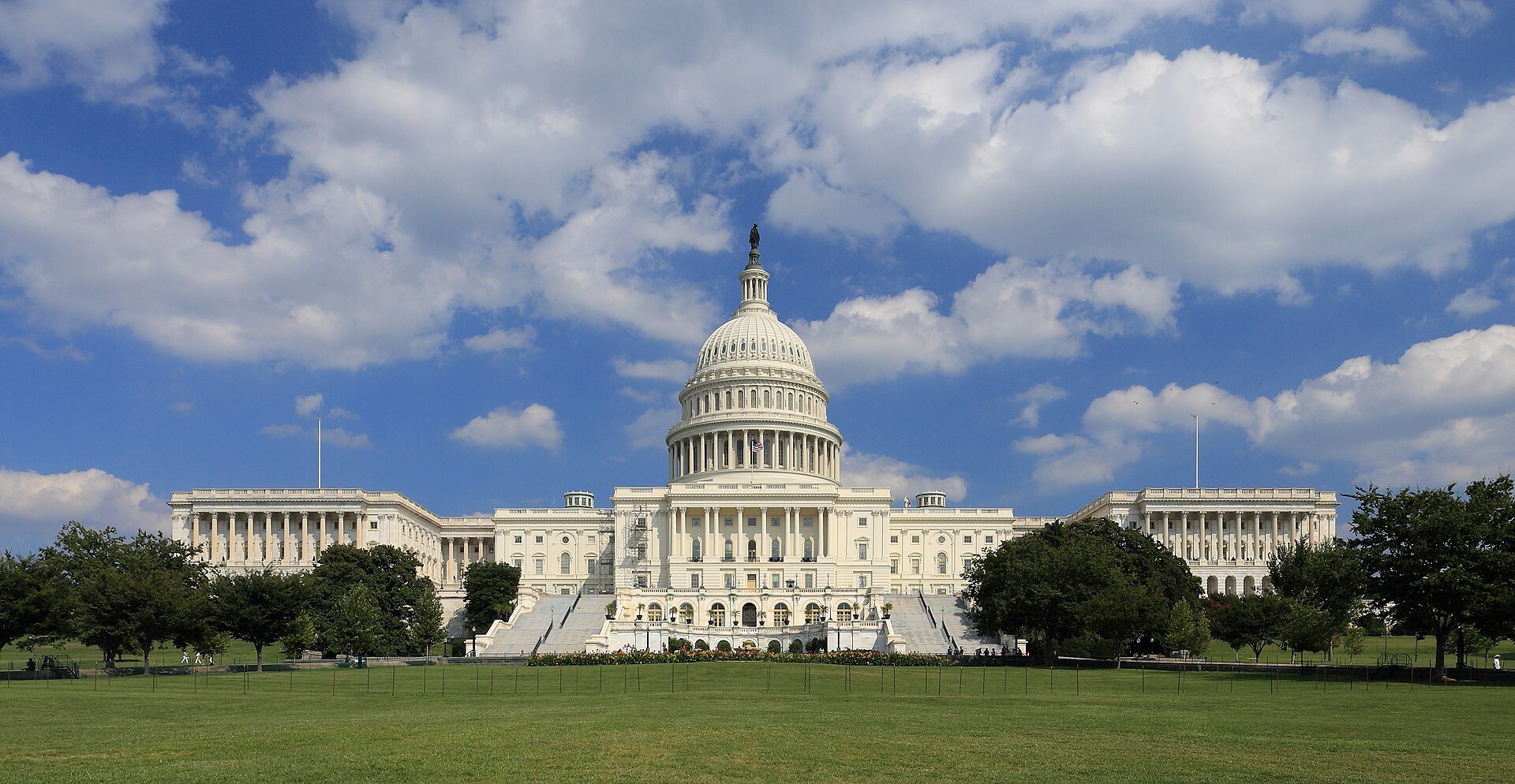
图片来源:美国国会大厦西侧(Wikimedia Commons)
GSM Global · 本篇英文版 English edition of this story
- 2026-11-05 19:01政府停摆第36天创纪录:联邦航空局将削减40个繁忙机场航班
- 2026-11-06 06:28停摆第37天:联邦航空局航班削减11月7日生效 40个繁忙机场首轮削减4%
- 2026-11-06 06:29参议院50比48通过国土安全部预算方案 700亿美元拨给移民执法与边境巡逻
- 2026-11-08 11:52参议院周日60比40通过程序表决 政府停摆现重开曙光
- 2026-11-09 11:12美国周日航班取消逾2100架次创停摆削减以来新高:另有逾7000架次延误,削减比例11月14日升至10%
- 2026-11-09 12:33美国联邦航空管理局11月9日上午数据:新泽西州纽瓦克自由国际机场出发延误46分钟至1小时且仍在扩大,波士顿与纽约肯尼迪机场延误不超过15分钟
- 2026-11-10 15:47参议院60比40通过拨款方案 41天联邦停摆将结束 众议院周三表决
- 2026-11-10 01:01停摆航班削减第四天:全美周一再取消逾2200架次,联邦航空管理局扩大对私人航班的机场限制
- 2026-11-10 01:24六十票过关,政府还没有开门:最长停摆协议成交了什么,又把什么推给了 12 月本篇
- 2026-11-10 01:24美国政府关门 41 天:为什么关、怎么开、接下来还有什么