美国选举制度(一):总览:美国选举到底在选什么
【开栏语】2026年11月3日,美国将举行中期选举。对生活在美国的华人来说,选举不是电视里的远方新闻:国会由谁掌控、州长是谁、学区委员是谁,直接关系到税收、治安、教育与社区生活的方方面面。GSM编辑部推出「美国选举制度」系列七章,内容综合美国宪法与联邦、各州官方公开资料编写,一次讲清这套制度的来龙去脉:选什么、怎么选、票怎么算、普通人如何参与。本篇是全系列总览。
【本章要点】
美国选举分联邦、州、地方三层,一张选票上从总统、国会议员一路排到学区委员
联邦选举每两年一次:逢总统任期第二年的叫「中期选举」,逢总统选举的叫「大选年」
选举由各州依法举办、县级机构实际执行,各州规则并不相同
一、一张选票,三层政府
美国选民走进投票站,拿到的选票往往长长一串。最上端是联邦职位:总统(大选年)、联邦参议员、联邦众议员。往下是州一级:州长、州务卿、州总检察长、州参议员与州众议员。再往下是地方:县政委员、市长、市议员、警长、地方检察官、法官,以及学区委员、水务区理事等。同一张选票上还常常附带各级公投提案——从州级借债、税制修改,到学区发债、地方章程调整,都由选民直接勾选。
这三层不是上下级关系,而是联邦制的分权:联邦管国防、外交与全国性事务,州管教育、治安与选举本身,县市管日常公共服务。理解美国选举,先要理解选民其实在同时给三层政府「配人」。
二、选举的节奏:两年一小考,四年一大考
联邦法律规定,联邦选举日在11月第一个星期一之后的星期二。众议员任期只有两年,因此每逢偶数年,众议院全部席位都要改选;参议员任期六年、分三组轮换,每次改选约三分之一;总统任期四年。于是美国的选举节奏是:每两年一次全国性选举,其中总统任期第二年的那次——比如2026年——称为「中期选举」(midterm),因为它落在总统任期的中点;选总统的那年则是「大选年」。
除了11月的正式选举,多数州还在上半年举行初选,先由各党选出自己的候选人(见本系列第五章)。个别职位出缺时,还有不定期举行的特别选举。
三、谁来办选举:州定规则,县来执行
美国没有一个全国统一的「选举委员会」来办投票。宪法把举办联邦选举的规则制定权交给各州:登记截止日、提前投票天数、邮寄选票的申请与寄回规则、投票站开放时间,都由州法决定,因此五十个州五十套细则。实际执行则落在县一级:县选务处负责寄发选票、设置投票站、招募工作人员、汇总计票。
联邦层面的机构各有分工:联邦选举委员会(FEC)只监管竞选资金,不管投票流程;选举协助委员会(EAC)负责发布自愿性技术标准。涉及选民权利的争议,最终由法院裁决。对选民最 practical 的结论是:查规则,认准本州州务卿与本县选务处的官方信息。
四、接下来六章讲什么
本系列随后依次讲解:总统怎样经选举人团产生(第二章);国会两院的不同选法与选区如何划分(第三章);2026年中期选举具体改选哪些职位、为何牵动全局(第四章);候选人如何经初选与提名产生(第五章);选民从登记到投票的实际操作,以加州2026年为例(第六章);以及选票如何清点、结果如何认证,华人如何从投票走向参政(第七章)。
关联:美国选举制度(二):总统怎样选出来:选举人团与270票胜线
关联:美国选举制度(三):国会怎样选出来:参议院、众议院与选区重划
关联:美国选举制度(四):中期选举:2026年11月3日改选什么
关联:美国选举制度(六):选民怎样投票:以加州2026年为例
America's Electoral System (1): The Big Picture: What U.S. Elections Actually Decide
[Series note] On November 3, 2026, the United States holds its midterm elections. For Chinese readers living in America, elections are not distant television news: who controls Congress, who governs your state and who sits on your school board shapes taxes, public safety, education and daily community life. GSM's editorial desk presents a seven-part series, How America's Electoral System Works, drawn from the U.S. Constitution and official federal and state public sources, published in full. This opening chapter is the overview.
[Key points]
U.S. elections operate on three levels - federal, state and local - and a single ballot can run from Congress down to the school board
Federal elections come every two years: the one midway through a president's term is the midterm; the one that chooses a president is a general election year
States write the rules and counties run the vote, so procedures differ across the country
1. One ballot, three levels of government
An American ballot is a long document. At the top sit federal offices: the president (in presidential years), U.S. senators and U.S. representatives. Below them come state offices - governor, secretary of state, attorney general, state senators and assembly members. Then the local tier: county supervisors, mayors, city councils, sheriffs, district attorneys, judges, school boards and water district boards. Ballot measures ride along at every level, from state bond issues and tax changes to school bonds and city charter amendments.
The three tiers are not a chain of command but a federal division of power: Washington handles defense, foreign policy and national affairs; states control education, policing and elections themselves; counties and cities run everyday services. A voter is, in effect, staffing three governments at once.
2. The rhythm: a test every two years, the big one every four
Federal law sets Election Day as the Tuesday after the first Monday in November. House members serve two-year terms, so all 435 seats are contested every even-numbered year. Senators serve six years in three staggered classes, so about a third of the Senate is elected each cycle. Presidents serve four years. The result is a fixed rhythm: a nationwide vote every two years, with the election falling at the midpoint of a presidential term - 2026 is one - called the midterms, and the presidential-year vote called the general election.
Before November comes the primary season, when parties choose their nominees (Chapter Five). Vacancies can also trigger special elections at irregular dates.
3. Who runs elections: states set rules, counties do the work
There is no single national election commission running the vote. The Constitution leaves the rules for federal elections to the states: registration deadlines, early-voting windows, mail-ballot procedures and polling hours are all state law, which means fifty states and fifty rulebooks. The actual work falls to counties, whose elections offices mail ballots, staff voting sites, recruit poll workers and compile the count.
Federal agencies have narrow roles: the Federal Election Commission (FEC) regulates campaign money, not voting; the Election Assistance Commission (EAC) issues voluntary technical standards. Disputes over voting rights ultimately land in court. The practical takeaway for voters: for rules and dates, trust your secretary of state and your county elections office.
4. What the next six chapters cover
The series continues with the Electoral College (Chapter Two); how the two chambers of Congress are elected and how district lines are drawn (Chapter Three); exactly what is on the ballot in the 2026 midterms and why it matters (Chapter Four); primaries and nominations (Chapter Five); the voter's journey from registration to ballot box, using California in 2026 as the worked example (Chapter Six); and how votes are counted and certified - and how Chinese Americans move from voting to running for office (Chapter Seven).
Related: America's Electoral System (4): The Midterms: What Is on the Ballot on November 3, 2026
来源:GSM·美国(原文链接)
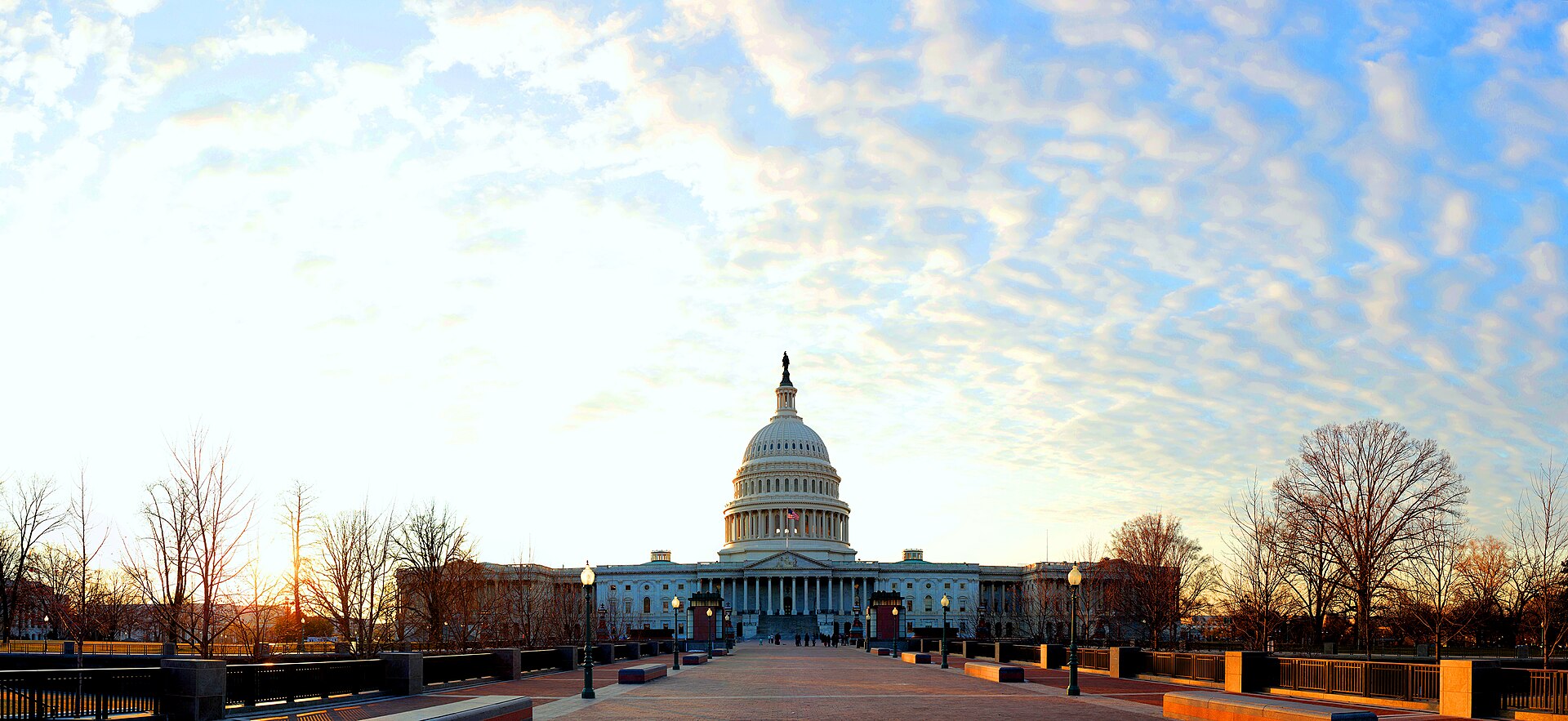
图片来源:图:美国国会大厦。美国的选举从联邦到地方层层展开,国会是联邦一级的核心。John Robinette 摄/Wikimedia Commons(CC BY-SA 4.0)
- 2026-10-20 00:59美国选举制度(一):总览:美国选举到底在选什么本篇
- 2026-10-20 00:59美国选举制度(二):总统怎样选出来:选举人团与270票胜线
- 2026-10-20 00:59美国选举制度(三):国会怎样选出来:参议院、众议院与选区重划
- 2026-10-20 01:00美国选举制度(四):中期选举:2026年11月3日改选什么
- 2026-10-20 01:00美国选举制度(五):初选与提名:候选人是怎样产生的
- 2026-10-20 01:00美国选举制度(六):选民怎样投票:以加州2026年为例
- 2026-10-20 01:00美国选举制度(七):计票、认证与华人参政