美国选举制度(三):国会怎样选出来:参议院、众议院与选区重划
【本章要点】
参议院每州2席、不论人口,任期6年、每两年改选约三分之一;众议院435席按人口分配,任期2年、全部改选
两院选法差异,源于1787年制宪时大州与小州的妥协
435个众议员选区每十年随人口普查重划,「杰利蝾螈」即借画线谋取党派优势
一、参议院:每州两票,六年一任
参议院共100席,每州2席,与人口无关——怀俄明不到60万人,加州近4,000万人,在参议院各有两票。这是1787年「康涅狄格妥协」的核心:小州坚持各州平等代表权,才同意加入联邦。
参议员任期6年,全院分三组(class),每两年改选其中一组约三分之一,因此参议院从不整体换届,始终保持连续性。参议员由全州选民直选(1913年第十七修正案之前由州议会选出)。参选资格:年满30岁、成为美国公民满9年、居住在本州。除立法外,参议院独享三项权力:批准总统提名(内阁部长、联邦法官、大使须经参议院确认)、批准国际条约(须三分之二同意)、审理众议院提出的弹劾案。副总统兼任参议院议长,只在票数相同时投下决定票。
二、众议院:按人口分配,两年全换
众议院共435席,按人口分配给各州:每十年一次全国人口普查之后,435个席位按各州人口重新划分(apportionment),人口增长快的州多得席位、增长慢的州失去席位。众议员任期2年,每逢偶数年全部改选——这是国会中最贴近民意波动的一院。参选资格:年满25岁、成为公民满7年、居住在本州。
每个众议员代表一个国会选区,2020年普查后平均每区约76万人。华盛顿特区与波多黎各等领地另选无表决权的代表或专员,不计入435席。众议院独享的权力包括:提出税收法案、发起弹劾、以及在选举人团无人过半时选出总统(见第二章)。
三、选区是怎样画出来的
席位分到州之后,州内选区边界由各州自行划定,办法分两类:多数州由州议会画线、州长签字,本质上是政治过程;加州、亚利桑那、密歇根等州则交给独立(或两党组成)的公民选区重划委员会,议员不得参与。
画线直接影响结果:把对方选民「打包」进少数选区、或把他们「拆散」到多个选区稀释,都能改变一州的席位版图。这种按党派利益画线的手法有个专门的名字——「杰利蝾螈」(gerrymander),源于1812年马萨诸塞州州长 Elbridge Gerry 任内一条形似蝾螈的选区。联邦最高法院2019年在 Rucho 案中裁定:党派性杰利蝾螈属于政治问题,联邦法院不予管辖;但基于种族的选区划分仍受宪法与《选举权法》约束,选区人口必须大致相等。
2025至2026年出现罕见的「十年中途重划」:德州于2025年通过新国会地图;加州则在2025年11月4日特别选举中以约64.4%通过第50号提案,2026、2028、2030年三个周期改用州议会绘制的地图,2030年人口普查后再交回独立公民委员会。支持者称此举是对德州中途重划的回应,反对者则认为它绕开了选民此前设立的独立委员会机制。2026年2月,联邦最高法院拒绝阻止加州新图在今年选举中使用(据美联社、全国公共广播电台报道)。对选民的实际影响是:今年你所在的国会选区,可能与2024年不是同一个——投票前先按地址查清自己的选区与候选人。
(上一章:总统怎样选出来;下一章:2026年中期选举改选什么。)
关联:美国选举制度(二):总统怎样选出来:选举人团与270票胜线
关联:美国选举制度(四):中期选举:2026年11月3日改选什么
America's Electoral System (3): How Congress Is Elected: Senate, House and Redistricting
[Key points]
Senators: two per state regardless of population, six-year terms, about a third elected every two years. House members: 435 seats apportioned by population, two-year terms, all elected at once
The contrast is the Great Compromise of 1787 between large and small states
House districts are redrawn after every census - and 'gerrymandering' is the art of drawing them for partisan advantage
1. The Senate: two votes per state, six-year terms
The Senate has 100 seats, two for every state, regardless of population - Wyoming, with under 600,000 people, matches California, with nearly 40 million. This equality was the price small states demanded at the Constitutional Convention in 1787, in what became known as the Connecticut Compromise.
Senators serve six-year terms, divided into three classes so that roughly one-third of the chamber stands for election every two years; the Senate is never replaced all at once. Senators are elected statewide - by direct popular vote since the Seventeenth Amendment in 1913 (state legislatures chose them before). A senator must be at least 30, a citizen for nine years, and a resident of the state. Beyond legislation, the Senate alone confirms presidential appointees (cabinet secretaries, federal judges, ambassadors), ratifies treaties by a two-thirds vote, and tries impeachments. The vice president serves as its president and votes only to break ties.
2. The House: seats by population, the whole chamber every two years
The House has 435 seats distributed among the states by population. After each decennial census, the seats are reapportioned - fast-growing states gain, slow-growing states lose. Representatives serve two-year terms and all 435 face the voters every even-numbered year, making the House the chamber most sensitive to shifts in public mood. A representative must be at least 25, a citizen for seven years, and a resident of the state. After the 2020 census, the average district held about 761,000 people. The District of Columbia and the territories elect non-voting delegates or a resident commissioner outside the 435. The House alone may originate tax bills, impeach federal officials, and choose the president when the Electoral College deadlocks (Chapter Two).
3. Who draws the lines - and why it matters
Once a state knows how many seats it has, someone must draw the districts. In most states the legislature draws the map and the governor signs it - an inherently political process. California, Arizona, Michigan and a few others instead use independent or bipartisan citizens' redistricting commissions that bar legislators from the work.
Line-drawing shapes outcomes: 'packing' opponents into a few districts, or 'cracking' them across many, can tilt a state's delegation. The practice has a name - gerrymandering - after an 1812 Massachusetts district, approved under Governor Elbridge Gerry, that resembled a salamander. In Rucho v. Common Cause (2019), the Supreme Court held that partisan gerrymandering presents a political question federal courts cannot police; race-based line-drawing remains constrained by the Constitution and the Voting Rights Act, and districts within a state must be nearly equal in population.
In 2025-26, a rare mid-decade redistricting fight broke out. Texas adopted a new congressional map in 2025. California voters answered on November 4, 2025, approving Proposition 50 with about 64.4 percent: for the 2026, 2028 and 2030 cycles, California will use maps drawn by the state legislature, returning the job to its independent citizens' commission after the 2030 census. Supporters called the measure a necessary counter to Texas; opponents said it bypassed the independent commission voters had created. In February 2026 the Supreme Court declined to block the new California map from being used this year, according to the Associated Press and NPR. The practical consequence for voters: your congressional district in 2026 may not be the one you voted in last time - check your address before you vote.
(Previous: how the president is elected. Next: what the 2026 midterms will decide.)
Related: America's Electoral System (4): The Midterms: What Is on the Ballot on November 3, 2026
来源:GSM·美国(原文链接)
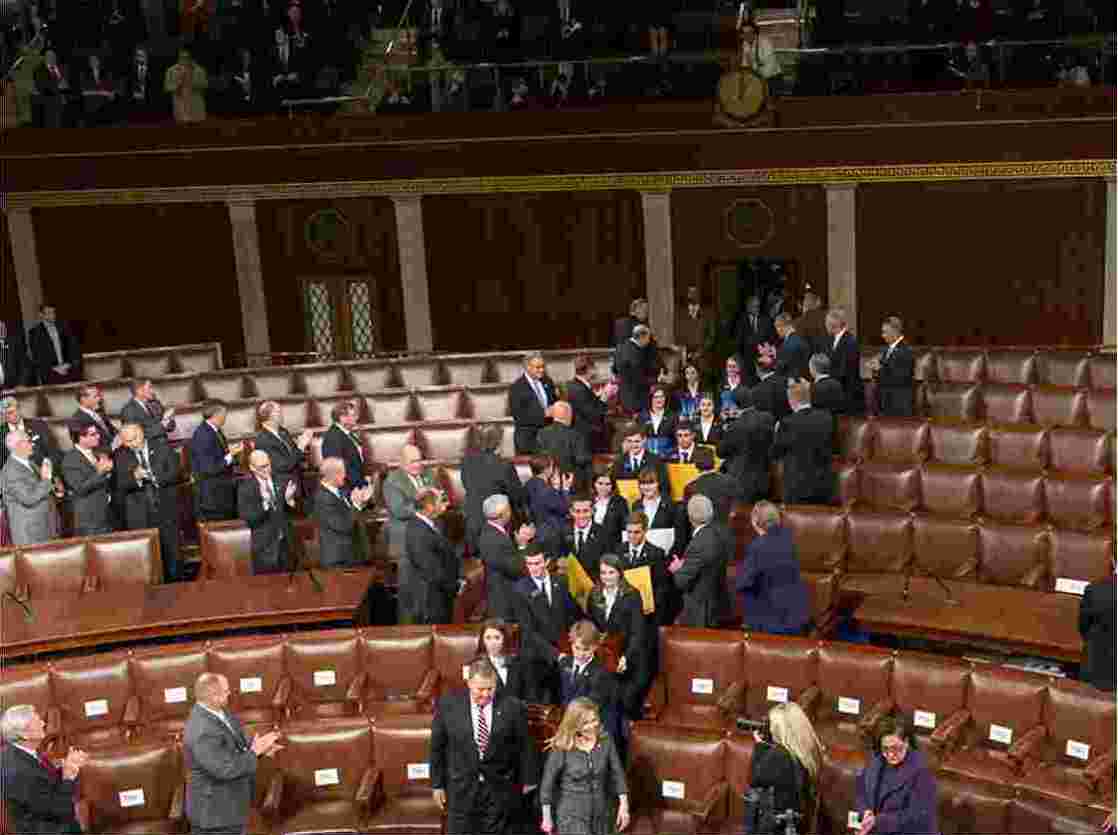
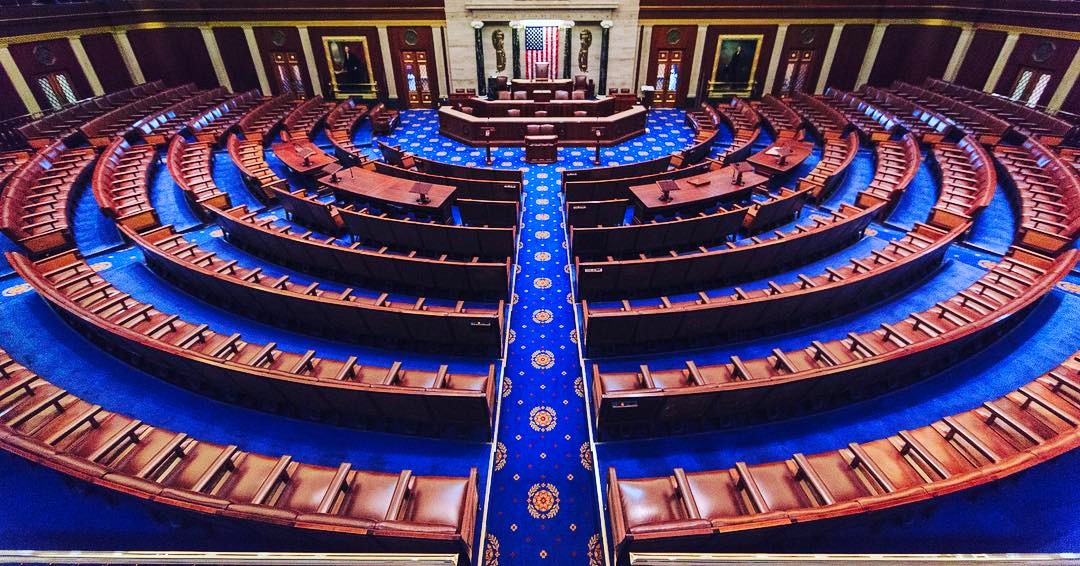
图片来源:图:美国国会众议院议场。众议院435席每两年全部改选。图片来源:美国众议院/Wikimedia Commons(公共领域)
- 2026-10-20 00:59美国选举制度(一):总览:美国选举到底在选什么
- 2026-10-20 00:59美国选举制度(二):总统怎样选出来:选举人团与270票胜线
- 2026-10-20 00:59美国选举制度(三):国会怎样选出来:参议院、众议院与选区重划本篇
- 2026-10-20 01:00美国选举制度(四):中期选举:2026年11月3日改选什么
- 2026-10-20 01:00美国选举制度(五):初选与提名:候选人是怎样产生的
- 2026-10-20 01:00美国选举制度(六):选民怎样投票:以加州2026年为例
- 2026-10-20 01:00美国选举制度(七):计票、认证与华人参政