美国选举制度(七):计票、认证与华人参政
【本章要点】
选举夜电视上「宣布胜者」是媒体测算,不是官方结果;官方结果要经县、州逐级核计与认证
各州开票速度差异,源于邮寄选票何时能开始处理等规则不同,不必然代表计票有问题
华人参政是一条渐进路径:入籍、登记、投票,担任投票站工作人员,再到参选地方公职
一、开票夜:为什么有的州快、有的州慢
11月3日晚8时起,加州各县开始公布结果,此后每隔数小时更新,直至计完。但放眼全美,有的州当晚即见分晓,有的州要数日后才能明朗。差异主要来自规则:
邮寄选票占比不同:各州邮寄投票的普及程度相差悬殊;邮寄选票要拆封、验签、展平、扫描,工序远多于现场投票。
何时可以开始处理不同:佛罗里达等州允许选务人员在选举日之前数周就开始拆验、扫描邮寄选票(但不得提前公布结果);宾夕法尼亚、威斯康星等州法律则规定选举日当天早晨才能开始处理,大量邮寄选票只能排在现场票之后。
接收截止不同:加州接受选举日及之前寄出、11月10日前送达的选票;有的州则要求选票必须在选举日当晚送达。截止规则晚,完计就晚。加上各州关票时间横跨多个时区,开票夜的「慢」大多是制度设计的正常结果。
选举夜电视台与通讯社播出的「胜者宣布」(call)是基于已计票数与统计模型的测算,个别接近的选举可能数日不宣布。它不是官方结果,也不具法律效力。
二、从计票到认证:结果是怎样「定案」的
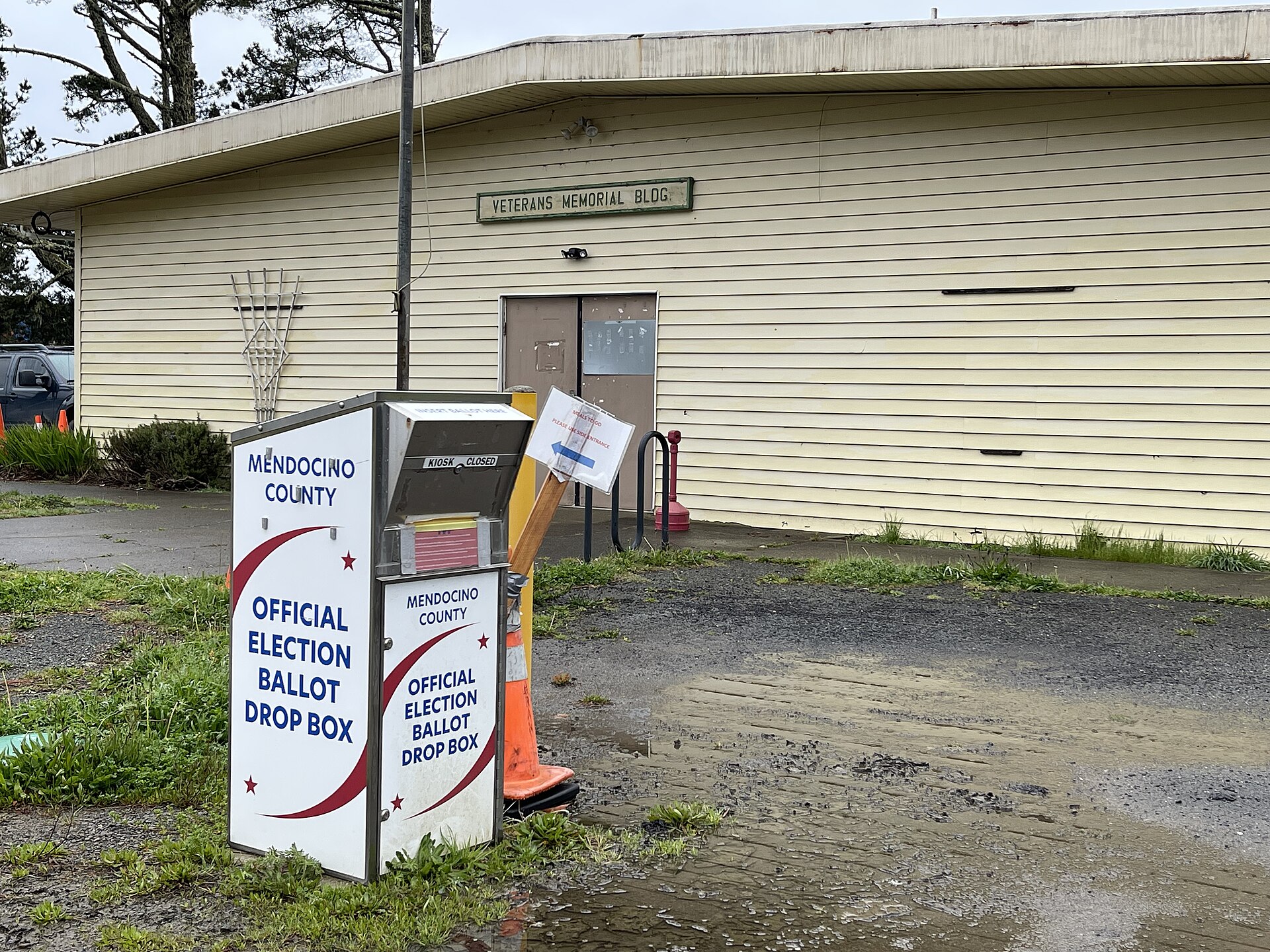
投票站与县选务处汇总的只是初步数字。此后各县进行正式核计(official canvass):清点并核对邮寄选票、临时选票、军人与海外选民选票,抽样复核,处理签名补正,最后由县级机构通过并宣布本县结果。
2026年加州的时间表(州务卿官网):各县最迟12月3日完成本县认证;12月11日,州务卿认证全州结果(Statement of Vote),成为官方定案。若票数极其接近,落败方或选民可依法申请重新计票;争议可诉至法院,法官依州法裁决——2000年总统大选的佛州计票争议,即由联邦最高法院最终裁定收尾。
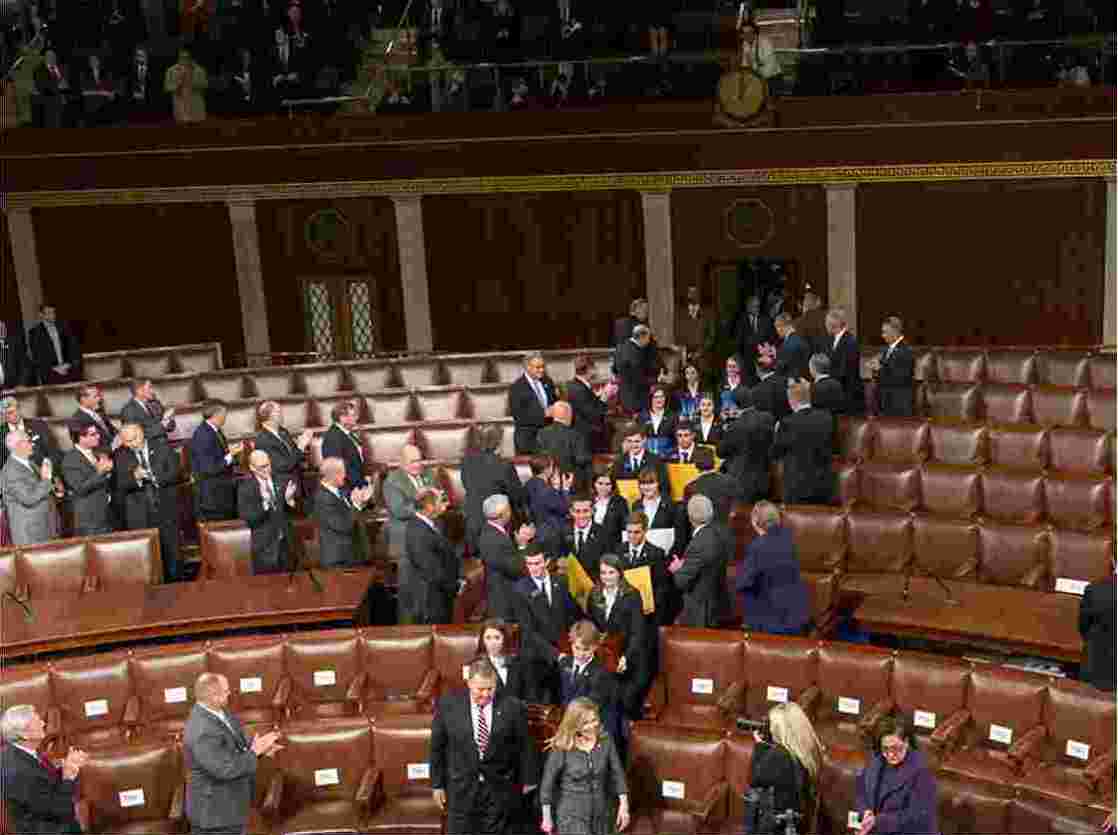
联邦层面随后衔接:新一届国会于2027年1月3日中午就职——众议院选举产生议长,参议院新人宣誓。若逢总统大选年,流程再多一环:各州发出确认证书,选举人于12月集会投票,国会于次年1月6日联席点票(2022年《选举计票改革法》已明确副总统在此仅具仪式性职能,并提高了议员提出异议的门槛),1月20日新总统就职。这就是「权力交接」的制度轨道:每一步都有日期、有经办机构、有文书。
三、华人参政:从一张选票到一张席位
制度给了每个公民同样的入口,华人社区的参政程度,是随时间一步步走出来的:
第一步是入籍与登记。成为公民后完成选民登记,是参与的起点;加州各县选务处长期招募双语选务人员,为投票站配备中文服务——担任投票站工作人员(poll worker),是许多华人第一次走进选举机器内部的方式:有培训、有报酬、须非党派地服务所有选民。
第二步是持续投票与社区参与。地方选举投票率低,一个组织起来的社区在校董事会、市议会选举中的分量,往往超乎想象。非营利社团可依法做非党派的选民教育与登记协助,不得支持或反对候选人——这是许多华人社团正在做的事。
第三步是参选。路径通常从地方开始:学区委员、城市议员、社区学院理事、水务区理事等,资格门槛写在明处——须为登记选民、满足居住与年龄要求,在截止日前向县选务处提交参选文件、缴纳报名费或征集选民签名,并按竞选财务法规申报与公开收支(联邦职位由联邦选举委员会监管,加州州级与地方职位由州公平政治行为委员会 FPPC 监管)。从学区到市政、从州议会到国会,华人当选者已出现在各级政府里——这条路的每一步,都是本系列讲过的制度在具体运行。
读完七章,回望一张选票:它之所以长,是因为要填满三层政府;它之所以慢,是因为每一票都要能核对、可追溯。对新移民而言,弄懂规则,正是把「生活在这里」变成「参与这里」的开始。
(全系列完。感谢阅读。)
关联:美国选举制度(六):选民怎样投票:以加州2026年为例
America's Electoral System (7): Counting, Certification, and a Path into Public Office
[Key points]
The winners 'called' on election night are media projections, not official results; results become official only through county and state canvasses and certification
States count at different speeds mainly because their rules on processing mail ballots differ - not because something has gone wrong
Chinese-American civic participation is a ladder: naturalize, register, vote, serve as a poll worker, then run for local office
1. Election night: why some states finish fast and others take days
California counties begin releasing results after polls close at 8 p.m. on November 3 and update them every few hours until the count is complete. Across the country, though, some states are settled within the evening while others take days. The differences are mostly written into law:
Mail voting volume differs widely by state, and mail ballots are labor-intensive: envelopes must be opened, signatures verified, ballots flattened and scanned.
When processing may start differs too. Florida and several states let officials open, verify and scan mail ballots weeks before Election Day (results, of course, remain secret until polls close). Pennsylvania and Wisconsin, by law, do not allow processing to begin until Election Day morning, so stacks of mail ballots queue behind in-person votes.
Receipt deadlines differ. California counts ballots postmarked by Election Day that arrive by November 10; some states require arrival by election night. A later receipt deadline means a later finish. Add time zones, and most election-night 'slowness' is simply how the rules were designed.
When television networks and wire services 'call' a race, they are publishing a statistical projection from partial counts; close races can stay uncalled for days. A call is not an official result and has no legal force.
2. From counting to certification: how results become final
Election-night numbers are preliminary. Counties then conduct the official canvass: every mail ballot, provisional ballot, and military and overseas ballot is accounted for; signatures are cured where the law allows; audits sample the count; and the county formally adopts its results.
California's 2026 timetable (Secretary of State): counties must certify their results by December 3, and on December 11 the Secretary of State certifies the statewide Statement of Vote - the official record. In very close races, a candidate or voters may request a recount under state law, and disputes go to court; the Florida recount fight of 2000 ended only with a Supreme Court ruling.
The federal handoff follows. The new Congress is seated at noon on January 3, 2027: the House elects its Speaker and new senators are sworn in. In a presidential cycle there is one more loop - states issue certificates of ascertainment, electors meet in December, and Congress counts the electoral votes on January 6 (the Electoral Count Reform Act of 2022 made the vice president's role purely ceremonial and raised the threshold for objections) - before the inauguration on January 20. Every step of the transfer of power has a date, an office responsible, and a paper trail.
3. Chinese Americans in the system: from one ballot to a seat at the table
The institutions give every citizen the same doors; Chinese-American participation has climbed them one rung at a time.
The first rung is naturalization and registration. Beyond voting, county elections offices continually recruit bilingual poll workers - in much of California, Chinese-language service at voting sites is a legal requirement - and serving as a poll worker is many Chinese Americans' first look inside the machinery: trained, paid, and strictly nonpartisan.
The second rung is showing up, election after election, and organizing. Local races draw low turnout, so an organized community carries real weight in school board and city council contests. Nonprofit community groups may lawfully run nonpartisan voter education and registration drives - they may not support or oppose candidates - and many Chinese-American organizations do exactly this.
The third rung is running. The path usually starts locally - school board, city council, community college board, water district - with the requirements printed in plain sight: be a registered voter, meet residency and age rules, file candidacy papers with the county by the deadline, pay a filing fee or gather signatures, and report campaign finances under disclosure law (the FEC for federal races; California's Fair Political Practices Commission for state and local ones). Chinese-American officeholders now serve at every level from school boards to Congress - each step of that ladder is the system described in this series, working as designed.
Seven chapters later, the long American ballot makes sense: it is long because it staffs three levels of government, and it is slow because every vote must be verifiable. For immigrants, learning the rules is how living in a place becomes taking part in it.
(The series concludes. Thank you for reading.)
Related: America's Electoral System (1): The Big Picture: What U.S. Elections Actually Decide
Related: America's Electoral System (6): How Voters Cast Ballots: California in 2026 as an Example
来源:GSM·美国(原文链接)
图片来源:图:国会联席会议清点各州选举人票(2017年1月)。图片来源:Wikimedia Commons(公共领域)
- 2026-10-20 00:59美国选举制度(一):总览:美国选举到底在选什么
- 2026-10-20 00:59美国选举制度(二):总统怎样选出来:选举人团与270票胜线
- 2026-10-20 00:59美国选举制度(三):国会怎样选出来:参议院、众议院与选区重划
- 2026-10-20 01:00美国选举制度(四):中期选举:2026年11月3日改选什么
- 2026-10-20 01:00美国选举制度(五):初选与提名:候选人是怎样产生的
- 2026-10-20 01:00美国选举制度(六):选民怎样投票:以加州2026年为例
- 2026-10-20 01:00美国选举制度(七):计票、认证与华人参政本篇