美国选举制度(四):中期选举:2026年11月3日改选什么
【本章要点】
中期选举落在总统任期中点,2026年选举日为11月3日(星期二)
本次改选:众议院435席全部、参议院35席、36个州的州长,以及大量州与地方职位
结果决定未来两年国会的控制权,并影响各州的政策与下一轮选区规则
一、什么是中期选举
美国总统任期四年。任期第二年举行的全国选举,因为位于任期的「中点」,称为中期选举。2026年这次选举日是11月3日,星期二——即联邦法律所定的、11月第一个星期一之后的星期二。选票上没有总统,全是国会、州与地方的职位。
历史上一个为人熟知的规律是:总统所在的政党在中期选举中多数时候会丢掉众议院席位,因此中期选举常被解读为选民对总统与执政党前半程的「期中测验」。但它的实际功能远不止测验——它直接重新分配未来两年的立法权力。
二、2026年改选什么
众议院:435席全部改选,一席都不能少——这是美国政治中规模最大的定期换届。
参议院:35席改选。其中33席是按六年轮换到期的常规席位,另有2席特别选举:佛罗里达州与俄亥俄州的参议员于2025年初分别出任国务卿与副总统而离职,本次特别选举选出的人将做完原任期余下的两年。
州长:36个州改选州长(外加3个领地的总督)。州长掌握州预算、行政机构与法案签署权,还握有下一轮选区重划的相关权力,对联邦政治版图有长远影响。
州与地方:大多数州同时改选州议会两院议席;各县市还有县政委员、市长、市议员、警长、学区委员、法官等职位,并附带州级与地方公投提案。加州选民今年要选的包括州长及其他州级官员、州议会、全部52名联邦众议员(按第50号提案的新选区图),以及多项州级公投提案。
三、为什么每一席都可能重要
国会的议程由多数党设定:哪个党控制众议院,就由哪个党出任议长、掌控各委员会、决定哪些法案能排上表决。参议院的多数还决定总统提名的部长与法官能否过确认关。两院多数若分属两党,或与白宫分属两党,立法就必须谈判妥协,重大法案往往减速。
对选民日常生活而言,州与地方选举的分量同样实在:州长和州议会决定州税、教育经费与治安政策的方向;学区委员决定本地学校的课程与预算;警长与地方检察官决定本地执法尺度。华人社区关心的话题——教育、治安、税负、小企业环境——大量是在这一层决定的。
四、中期选举的投票率
中期选举的投票率通常明显低于总统大选年:总统不在选票上,许多选民便留在家里。其结果是,实际投票的那部分选民对结果的影响被放大——每一张票的权重,在中期选举里反而更高。对已登记的选民来说,需要的只是提前查清本州的提前投票与邮寄选票安排(第六章以加州为例详述)。
(上一章:国会怎样选出来;下一章:初选与提名。)
关联:美国选举制度(三):国会怎样选出来:参议院、众议院与选区重划
关联:康涅狄格州14天现场提前投票开启:持续至11月1日,选举日为11月3日
关联:司法部在加州起诉28名外国公民涉选举犯罪:11人被捕 同步推进保护投票行动
关联:加州在线选民登记10月19日午夜截止 州务卿:错过仍可亲临有条件登记投票
America's Electoral System (4): The Midterms: What Is on the Ballot on November 3, 2026
[Key points]
Midterms fall at the midpoint of a presidential term; in 2026, Election Day is Tuesday, November 3
On the ballot: all 435 House seats, 35 Senate seats, 36 governorships, and thousands of state and local offices
The outcome sets control of Congress for the next two years and shapes state policy and future district maps
1. What a midterm is
A president serves four years. The nationwide election held in the second year of that term - at its midpoint - is the midterm election. In 2026 it falls on Tuesday, November 3, the Tuesday after the first Monday in November set by federal law. The president is not on the ballot; Congress, the states and local offices are.
A familiar historical pattern is that the president's party usually loses House seats in midterms, which is why the vote is often read as a mid-course verdict on the administration. Its real function is larger: it directly reallocates legislative power for the following two years.
2. What is being elected in 2026
The House: all 435 seats, every single one - the largest regularly scheduled turnover in American politics.
The Senate: 35 seats. Thirty-three are the regularly scheduled class whose six-year terms expire. Two are special elections, in Florida and Ohio, for seats vacated in early 2025 when their senators left to become secretary of state and vice president; the winners will serve the remaining two years of those terms.
Governors: 36 states elect governors (plus three territories). Governors control state budgets and agencies, sign or veto state legislation, and hold key powers over the next round of redistricting - a long lever on national politics.
States and localities: most states also elect their legislatures. Counties and cities fill supervisor, mayoral, council, sheriff, school board and judicial seats, and ballots carry state and local measures. California voters this year choose a governor and other statewide officers, the state legislature, all 52 of the state's U.S. House members - under the new Proposition 50 map - and a set of statewide ballot propositions.
3. Why every seat can matter
The majority party runs each chamber: it supplies the Speaker, chairs every committee and decides which bills reach the floor. The Senate majority controls whether the president's cabinet secretaries and judges are confirmed. Split control - between the chambers, or between Congress and the White House - forces negotiation and slows major legislation.
For daily life, state and local results weigh just as heavily. Governors and legislatures set state taxes, school funding and public-safety policy. School boards decide curricula and budgets. Sheriffs and district attorneys set the tone of local law enforcement. The issues Chinese-American communities talk about most - education, safety, taxes, the climate for small business - are decided largely at this level.
4. The turnout gap
Midterm turnout is typically well below presidential-year turnout: with no president on the ballot, many registered voters stay home. The arithmetic consequence is that those who do vote carry outsized weight - in a midterm, each ballot counts for more. For registered voters, the only preparation needed is learning the state's early and mail voting arrangements in advance (Chapter Six works through California's).
(Previous: how Congress is elected. Next: primaries and nominations.)
Related: America's Electoral System (3): How Congress Is Elected: Senate, House and Redistricting
Related: America's Electoral System (5): Primaries and Nominations: How Candidates Are Chosen
Related: Connecticut Opens 14 Days of In-Person Early Voting Through Nov. 1, Ahead of Nov. 3 Election Day
来源:GSM·美国(原文链接)
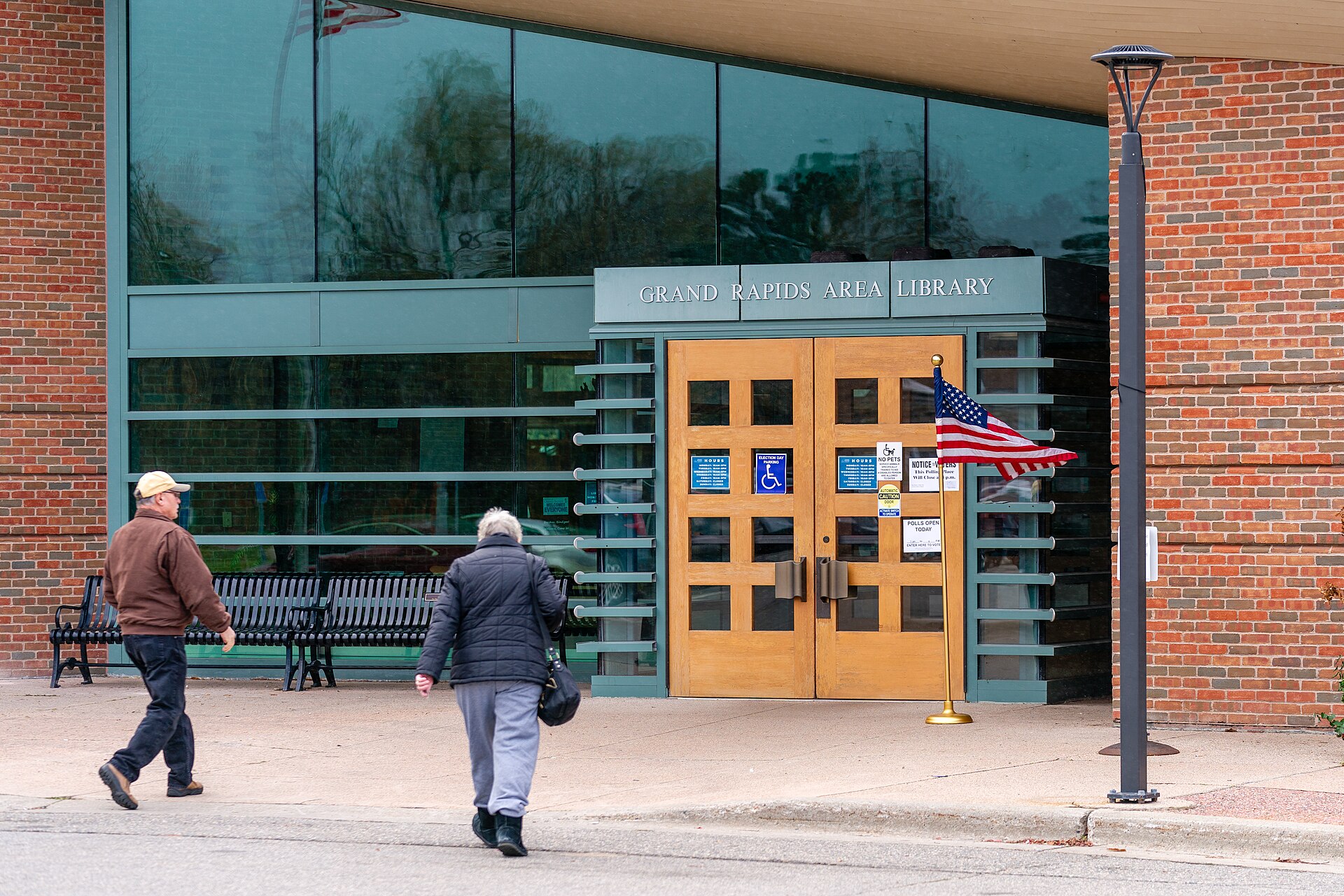
图片来源:图:明尼苏达州Grand Rapids一处设在图书馆内的投票站,选民在选举日前往投票。Lorie Shaull 摄/Wikimedia Commons(CC BY 2.0)
- 2026-10-20 00:59美国选举制度(一):总览:美国选举到底在选什么
- 2026-10-20 00:59美国选举制度(二):总统怎样选出来:选举人团与270票胜线
- 2026-10-20 00:59美国选举制度(三):国会怎样选出来:参议院、众议院与选区重划
- 2026-10-20 01:00美国选举制度(四):中期选举:2026年11月3日改选什么本篇
- 2026-10-20 01:00美国选举制度(五):初选与提名:候选人是怎样产生的
- 2026-10-20 01:00美国选举制度(六):选民怎样投票:以加州2026年为例
- 2026-10-20 01:00美国选举制度(七):计票、认证与华人参政