AP-NORC民调:约四分之一亚太裔成年人认可特朗普整体表现 仅约两成认可其经济处理 经济居中期选举议题之首
据美联社报道,一项由 AAPI Data 与美联社-NORC 公共事务研究中心联合进行的民调显示,随着11月3日中期选举临近,美国亚裔、夏威夷原住民与太平洋岛民(AAPI)成年人对总统特朗普与共和党的看法趋于负面,在经济、医疗等主要议题上,民主党获得明显信任优势。该调查于9月8日至15日进行,受访者为1,023名亚太裔成年人,抽样误差为正负4.7个百分点。
民调显示,约四分之一的亚太裔成年人认可特朗普的整体执政表现;认可其经济处理的仅约两成。约九成受访者把经济列为本次选举最重要的议题之一,约八成这样评价生活成本,约七成这样评价医疗。特朗普在亚太裔成年人中的经济认可度在过去一年下降约10个百分点;对其持好感者比例也从2024年底的约四成降至目前的约三成。AAPI Data 创始人兼执行主任 Karthick Ramakrishnan 表示,数据显示特朗普在2024年大选期间及选后蜜月期取得的进展如今已大体消失。
在议题信任度上,2025年3月的同系列民调中,亚太裔成年人对两党处理经济与移民的信任还大体相当,如今民主党在这两个议题上均领先约20个百分点。约三分之二的亚太裔成年人对共和党持负面看法,只有约四分之一持正面看法;对民主党本身的看法则仍然分化,48%持负面印象、44%持正面印象。
受访者也在访问中谈到各自的考量:住在 Iowa 州 Corning 的45岁韩裔美国人 Rebecca Larocco 2016年曾投票给特朗普,本次中期选举仍倾向共和党,但对油价与经济处理存有疑问;住在德克萨斯州 Universal City 的57岁日裔美国人 Len Takahashi 自称保守派,他表示只想支持把经济放在首位的候选人。
选举公正也是亚太裔成年人关切的议题:约半数人认为有资格的选民被拒之门外是美国选举的「重大问题」,约三分之二这样评价外国政府干预选举结果的企图;约半数人对候选人的虚假信息以及选举结果面临的法律挑战表示非常担忧。
关联:美国选举制度(四):中期选举:2026年11月3日改选什么
关联:州长希利呼吁对大麻 repeal 公投案投反对票 民调显示71%选民反对
关联:路透/Ipsos民调:特朗普支持率降至31%创两任期新低 国会通用选票民主党47%对共和党35%
AP-NORC Poll: About a Quarter of AAPI Adults Approve of Trump Overall, Only 2 in 10 on the Economy Ahead of the Midterms
With the November 3 midterm elections approaching, Asian American, Native Hawaiian and Pacific Islander (AAPI) adults have turned sharply more critical of President Donald Trump and the Republican Party, and the economy sits at the center of their concerns. In a new survey by AAPI Data and The Associated Press-NORC Center for Public Affairs Research, only about one-quarter of AAPI adults approve of Trump's overall job performance, and approval of his handling of the economy is lower still, at about 2 in 10. The poll interviewed 1,023 AAPI adults between September 8 and 15, with a margin of sampling error of plus or minus 4.7 percentage points.
Economic issues dominate the agenda these voters bring to the election: about 9 in 10 named the economy among the most important issues, about 8 in 10 said the same of the cost of living, and about 7 in 10 said it of health care. Trump's numbers have slipped over the past year — his economic approval among AAPI adults is down about 10 percentage points, and the share who view him favorably has fallen from about 4 in 10 in late 2024 to about 3 in 10 now. Karthick Ramakrishnan, founder and executive director of AAPI Data, said the figures show that the gains Trump made during the 2024 election and in the honeymoon period that followed have now largely disappeared.
The shift has also rearranged trust in the two parties. In the same survey series in March 2025, AAPI adults were about evenly split over which party would better handle the economy and immigration; Democrats now lead by roughly 20 percentage points on both. About two-thirds of AAPI adults view the Republican Party unfavorably and only about one-quarter view it favorably. Opinions of the Democratic Party remain closely divided, with 48% viewing it unfavorably and 44% favorably.
Individual voters described competing considerations. Rebecca Larocco, 45, a Korean American living in Corning, Iowa, voted for Trump in 2016 and is leaning Republican again in this election, though she has questions about his handling of the economy and gas prices. Len Takahashi, 57, a Japanese American conservative in Universal City, Texas, said he wants to support candidates who put the economy first.
Election integrity weighs heavily as well: about half of AAPI adults say it is a major problem that eligible voters are kept from voting, about two-thirds say the same of foreign governments trying to influence election results, and about half are extremely or very concerned both about false information about candidates and about legal challenges to the results.
Related: America's Electoral System (4): The Midterms: What Is on the Ballot on November 3, 2026
Related: Gov. Healey Urges No Vote on Cannabis Repeal Referendum; Poll Shows 71% of Voters Oppose
来源:GSM·美国(原文链接)
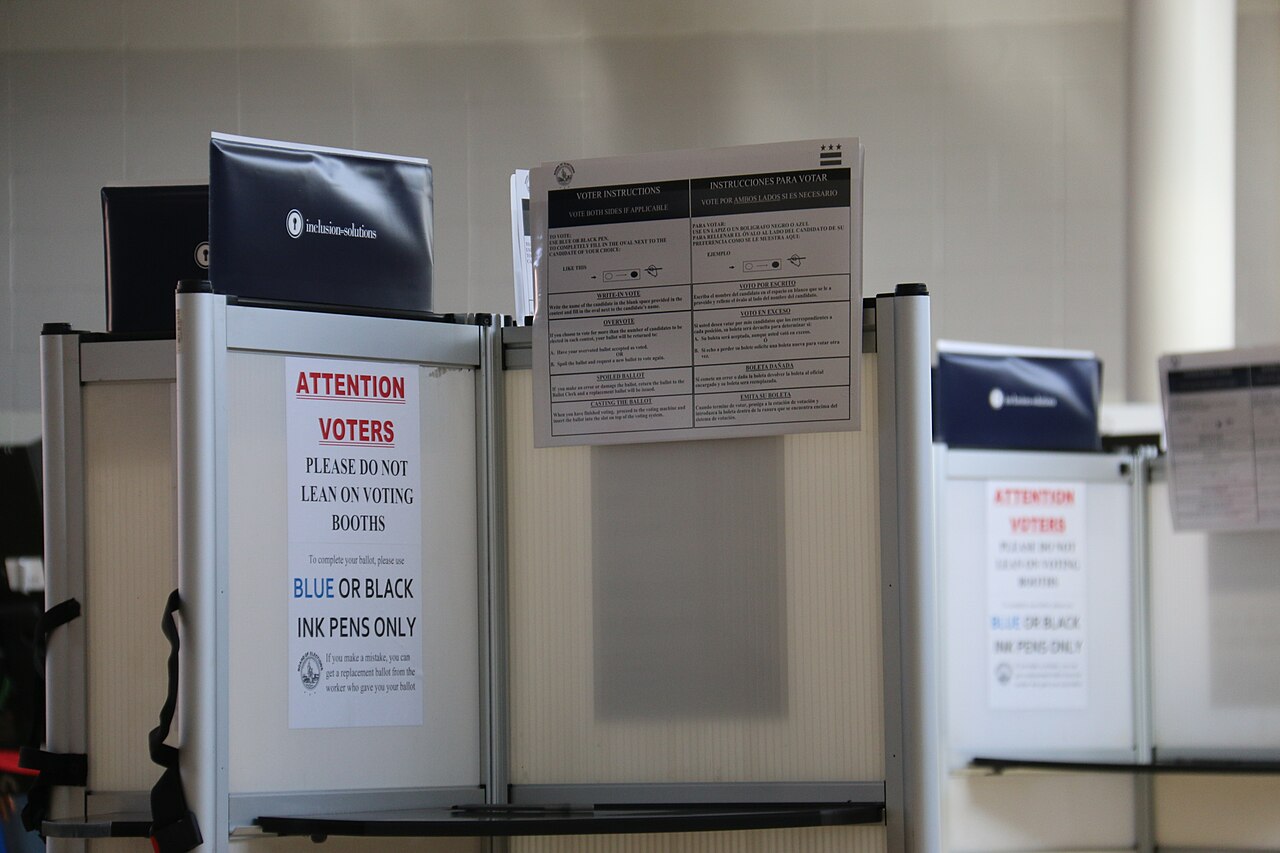
图片来源:图:华盛顿(Washington, D.C.)一处投票站的投票间(2024年资料图),oscepa 摄,CC BY-SA 2.0,经 Wikimedia Commons。Photo: Voting booths at a polling station in Washington, D.C. (2024 file photo), by oscepa, CC BY-SA 2.0, via Wikimedia Commons.
GSM Global · 本篇英文版 English edition of this story