哈佛起诉特朗普政府:要求法院撤销22亿美元经费冻结
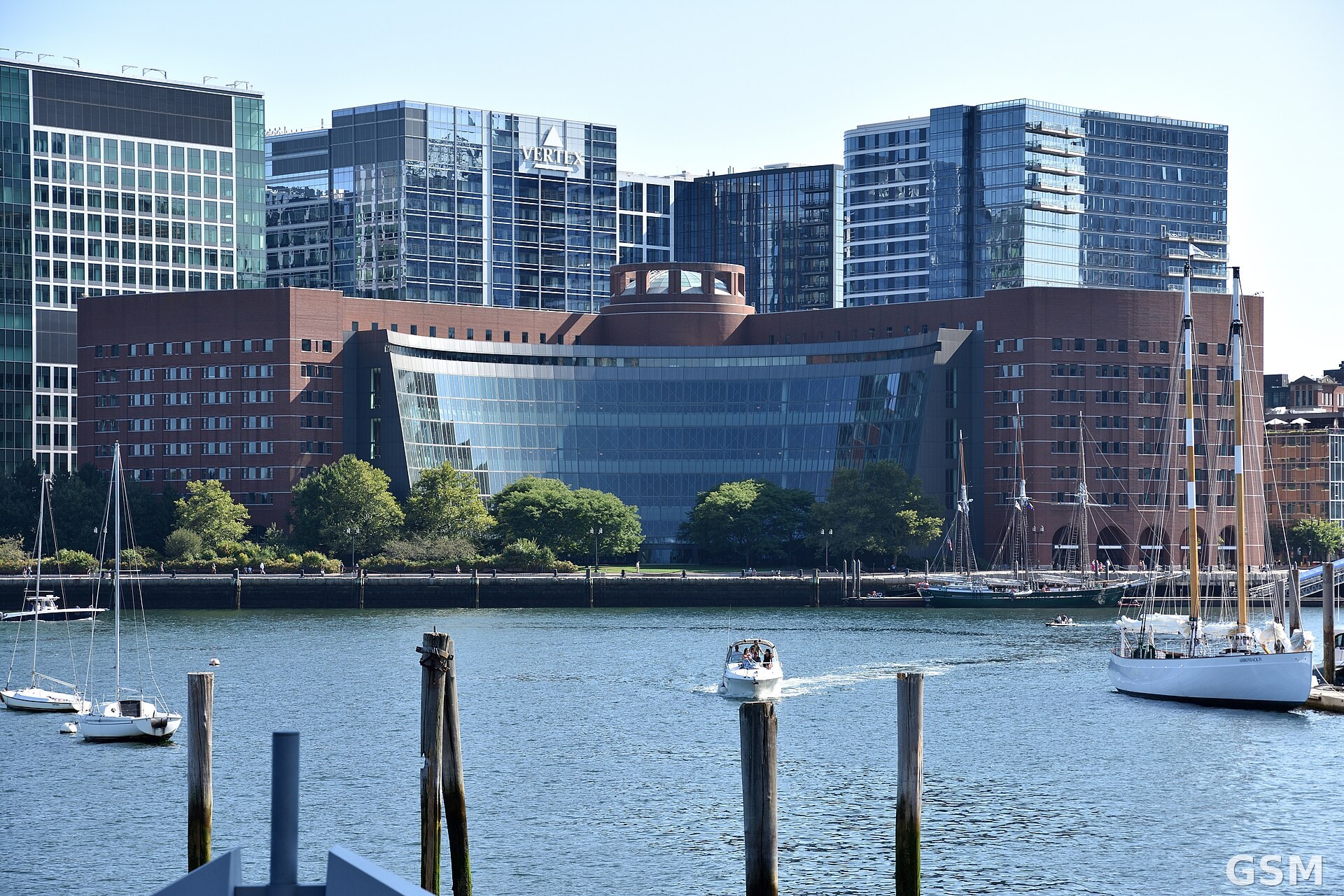
位于马萨诸塞州米德尔塞克斯县剑桥市的哈佛大学,2025年4月21日向位于波士顿的美国马萨诸塞联邦地区法院起诉特朗普政府,要求法院撤销并搁置联邦政府对该校的经费冻结、恢复超过22亿美元的科研经费。哈佛在诉状中称,这次冻结违宪、且「完全违法」。
这起诉讼的原告是哈佛学院院长与院士(哈佛大学的法人主体),被告包括美国卫生与公众服务部、国家卫生研究院、教育部、司法部、国家科学基金会等多个联邦机构及其负责人,案号为1:25-cv-11048。长达51页的诉状请求法院宣布冻结令违法、予以撤销,并禁止政府在不履行联邦法律规定程序的情况下冻结现有经费或拒绝今后的经费。
校长艾伦·加伯(Alan Garber)当天在致全校的信中说,起诉起因是政府在过去一周采取的步骤:哈佛拒绝了政府对学校治理、招聘与招生政策的改革要求,以及通过审查师生观点来确保「观点多元」的要求。加伯说,政府4月11日来信中的这些要求带有侵入性,将对大学施加「前所未有的、不正当的控制」。他写道:「就在刚才,我们提起诉讼,要求叫停经费冻结,因为它违法、超越了政府的权限。」
诉状提出三路主张:第一修正案保护言论自由、禁止政府以强制手段压制其不喜欢的言论,政府不得以经费为杠杆控制私立大学教什么、录取和聘用谁;联邦民权法律为涉嫌民权违规的受资助方规定了明确程序——先自愿协商、再正式听证并作出认定、认定公布30天后才能终止经费,政府「先冻结」的做法跳过了全部步骤;冻结决定本身「武断而反复无常」。加伯说,法律要求政府在采取惩罚行动前,先就哈佛如何打击反犹主义与校方沟通,「政府4月11日的要求却要控制我们聘用谁、教什么」。
纠纷升级的过程在诉状与校方声明中列得很清楚:联邦政府跨部门反犹主义工作组2月起向哈佛提出问询;3月底,政府宣布审查哈佛及其附属医院总额87亿美元的科研拨款;4月3日,政府开出继续获得经费的条件清单;4月11日来信又大幅扩充条件;4月14日,哈佛公开拒绝,数小时后政府即宣布冻结22亿美元多年期拨款与6000万美元多年期合同。加伯说,政府此后还表示考虑撤销哈佛的免税地位、威胁国际学生的教育,并考虑再冻结10亿美元经费。
加伯警告,冻结危及癌症、传染病与战场创伤等关键研究,细胞系等科研材料的存续与靠联邦经费供职的研究人员的岗位都将被迫做艰难决定;他说:「政府越权的后果将严重而长久。不加区分地削减医学、科学与技术研究,损害的是这个国家挽救美国人生命、促进美国成功、保持美国全球创新领先地位的能力。」他同时说,哈佛打击反犹主义的工作仍在继续,校内两个相关工作组即将发布完整报告。(来源:哈佛大学)
关联:哈佛拒绝联邦改革要求后,联邦冻结其22亿美元拨款与6000万美元合同
Harvard Sues Trump Administration, Asking Court to Vacate $2.2 Billion Funding Freeze
Harvard University, in Cambridge, Middlesex County, Massachusetts, sued the Trump administration on April 21, 2025, in the U.S. District Court for the District of Massachusetts in Boston, asking the court to vacate and set aside the federal funding freeze and restore more than $2.2 billion in research dollars. In its complaint, Harvard called the freeze unconstitutional and "flatly unlawful."
The plaintiff is the President and Fellows of Harvard College, the university's corporate body, and the defendants include the U.S. Department of Health and Human Services, the National Institutes of Health, the Department of Education, the Department of Justice, the National Science Foundation and other federal agencies and their heads, in Case No. 1:25-cv-11048. The 51-page complaint asks the court to declare the freeze unlawful and vacate it, and to bar the government from freezing current funding or denying future funding without following the procedures laid out in federal law.
In a message to the Harvard community that day, President Alan Garber said the suit was prompted by steps the government had taken over the previous week, after Harvard rejected demands for changes to its governance, hiring and admissions policies and to ensure "viewpoint diversity" in part through audits of the viewpoints of students, faculty and staff. Garber said the demands in the government's April 11 letter were intrusive and would impose "unprecedented and improper control over the University." "Moments ago, we filed a lawsuit to halt the funding freeze because it is unlawful and beyond the government's authority," he wrote.
The complaint makes three main arguments: the First Amendment protects free speech and bars the government from using funding as leverage to control what a private university teaches and whom it admits and hires; federal civil rights law prescribes a procedure for fund recipients suspected of civil rights violations — voluntary negotiations first, then an official hearing and findings, with funding terminable only 30 days after the findings — and the government's freeze-first approach skipped every step; and the freeze decision itself was "arbitrary and capricious." Garber said the law requires the government to engage with Harvard about how it is fighting antisemitism before taking punitive action: "Instead, the government's April 11 demands seek to control whom we hire and what we teach."
The complaint and the university's statements lay out a rapid escalation: the administration's multi-agency Task Force to Combat Antisemitism began inquiries in February; in late March the government announced a review of $8.7 billion in research grants to Harvard and its hospital affiliates; on April 3 it sent a list of conditions for continued funding; the April 11 letter greatly expanded them; and on April 14, hours after Harvard publicly refused, the government froze $2.2 billion in multi-year grants and $60 million in multi-year contract value. Garber said the administration had since said it was considering revoking Harvard's tax-exempt status and threatening the education of international students, and was considering freezing an additional $1 billion.
Garber warned that the freeze jeopardizes critical research on cancer, infectious disease and battlefield injuries, and will force hard decisions about living cell lines used to investigate disease and the jobs of researchers paid from federal grants. "The consequences of the government's overreach will be severe and long-lasting," he said. "Indiscriminately slashing medical, scientific, and technological research undermines the nation's ability to save American lives, foster American success, and maintain America's position as a global leader in innovation." He added that Harvard's work to fight antisemitism continues, and that two university task forces would soon release full reports. (Source: Harvard University)
来源:哈佛大学
发布:GSM·美国(发布链接)
图片来源:波士顿约翰·约瑟夫·莫克利美国联邦法院大楼(马萨诸塞联邦地区法院所在地)资料图(4300streetcar摄,CC BY 4.0,经Wikimedia Commons) | The John Joseph Moakley U.S. Courthouse in Boston, home of the U.S. District Court for the District of Massachusetts (photo: 4300streetcar, CC BY 4.0, via Wikimedia Commons)
GSM Global · 本篇英文版 English edition of this story
- 2025-04-14 22:28哈佛拒绝联邦改革要求后,联邦冻结其22亿美元拨款与6000万美元合同
- 2025-04-21 22:31哈佛起诉特朗普政府:要求法院撤销22亿美元经费冻结本篇
- 2026-10-05 08:45联邦上诉法院审理哈佛经费案,特朗普政府要求恢复冻结20亿美元拨款