牛津 Ashmolean Museum 以数字投影为2700年历史的 Taharqa 神龛复原色彩 检出最古老合成颜料埃及蓝
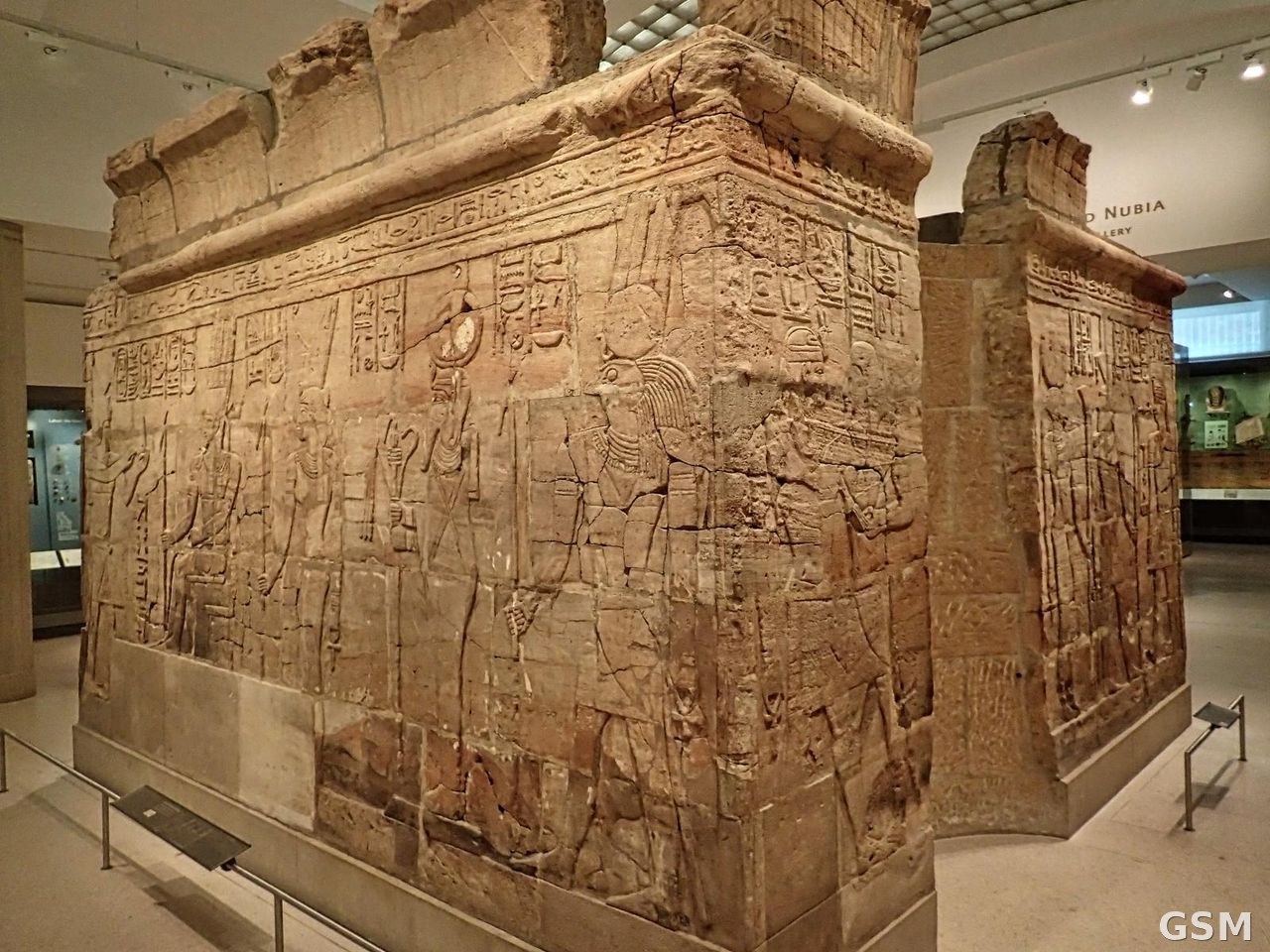
位于牛津的 Ashmolean Museum 从11月13日起,以数字光投影的方式为一座约2700年历史的古埃及神龛复原色彩。这座砂岩神龛由法老 Taharqa 下令建造,原址在今天苏丹北部的 Kawa,墙面上刻着国王向多位埃及神祇献祭的场景。
神龛在1930年代由英国考古学家发掘,此后收藏于 Ashmolean Museum,是英国唯一一座独立式法老建筑。数十年来,观众看到的一直是褪去颜色的米色砂岩,浮雕保存完好,却没有留下肉眼可见的色彩。
研究人员用红外与高光谱成像设备系统扫描了神龛表面,找到多处残存颜料的痕迹。其中最受关注的是埃及蓝,研究者称它是世界上已知最古老的合成颜料,古代通常只用于神祇与王室形象的着色。
根据成像结果,博物馆把推定的原始色彩以数字投影直接打在神龛墙面上,让观众在不接触、不改动文物的前提下,看到这座建筑在 Taharqa 时代可能呈现的样子。投影复原从11月13日起向观众开放。
这座神龛当年由苏丹政府赠予牛津,以表彰埃及学家 Francis Llewellyn Griffith 对该地区考古工作的贡献。如今,它既是研究古埃及颜料工艺的实物样本,也是数字技术参与文物展示的一次具体实践。
Oxford's Ashmolean Museum Restores Color to the 2,700-Year-Old Shrine of Taharqa With Digital Projections, Tracing Egyptian Blue
Starting November 13, the Ashmolean Museum in Oxford is restoring color to an ancient Egyptian shrine, roughly 2,700 years old, using digital light projections. The sandstone shrine was commissioned by the pharaoh Taharqa and originally stood at Kawa, in present-day northern Sudan. Its carved walls show the king making offerings to various Egyptian deities.
The shrine was excavated by British archaeologists in the 1930s and later transferred to the Ashmolean Museum. It is the only free-standing pharaonic building in Britain. For decades, visitors have seen it as intact but colorless beige sandstone, its reliefs preserved without visible pigment.
Researchers studied the shrine with infrared and hyperspectral imaging cameras and identified trace amounts of surviving pigments that are almost invisible to the naked eye. The most notable discovery was evidence of Egyptian blue, described as the world's oldest known synthetic pigment, typically reserved for depictions of deities and royals.
Based on the imaging, the museum now projects the reconstructed colors directly onto the shrine's walls, allowing visitors to see the building as Taharqa may have seen it, without touching or altering the artifact. The projection display opened to visitors on November 13.
The shrine was given to Oxford by the Sudanese government in recognition of Egyptologist Francis Llewellyn Griffith's contribution to the region's archaeology. It now serves both as physical evidence for the study of ancient Egyptian pigments and as a concrete example of digital technology in museum display.
来源:牛津大学 Ashmolean Museum
发布:GSM·美国(发布链接)
图片来源:图:收藏于牛津 Ashmolean Museum 的 Taharqa 神龛。作者:Mary Harrsch,CC BY 2.0,维基共享资源。 / Photo: The Shrine of Taharqa at the Ashmolean Museum, Oxford. Credit: Mary Harrsch, CC BY 2.0, via Wikimedia Commons.
GSM Global · 本篇英文版 English edition of this story