英格兰 Bar Hill 一条沟里8000块蛙骨之谜揭晓:研究称约1700年前猛禽集中捕食所致
英格兰 Cambridgeshire 郡 Bar Hill 遗址一条沟中出土约8000块两栖动物骨骼的成因,近日由一项新研究给出解释:约1700年前,短耳鸮等猛禽在一次短暂而集中的捕食中吃掉了这些青蛙。研究11月13日由史密森尼杂志报道。
这些骨骼在2016年至2018年间的发掘中出土。2016年至2022年,考古人员在规划中的 A14 公路沿线发掘,共出土28万多件文物,时间跨度约12000年,其中包括一枚刻成神话人物美杜莎形象的罗马护身符、英国啤酒酿造最早的实物证据,以及一把用人头骨制成的铁器时代梳子。
骨骼组合多数属于青蛙和蟾蜍,具体以普通林蛙为主,另有鼩鼱、田鼠和老鼠。研究确认这些遗骸代表不少于469只个体。
研究由伦敦考古博物馆(MOLA)高级动物考古学家 Vicki Ewens 与伯恩茅斯大学考古学家 Paul Clarkson 领衔,基于对两栖动物臂骨的新分析得出结论:多数青蛙死亡时年纪尚轻,在公元2世纪或3世纪、即英国罗马时期被短耳鸮和白尾鹞等猛禽吃掉。
研究发表于《Environmental Archaeology》。作者写道,罗马时期 Fens 沼泽湿地的水位下降,池塘干涸环境中的青蛙繁殖速度加快,为集中捕食提供了条件。
MOLA 于2022年首次公布这一发现时,8000块蛙骨为何集中在一条沟里一直未有定论,本次研究在公布4年后给出了解释。
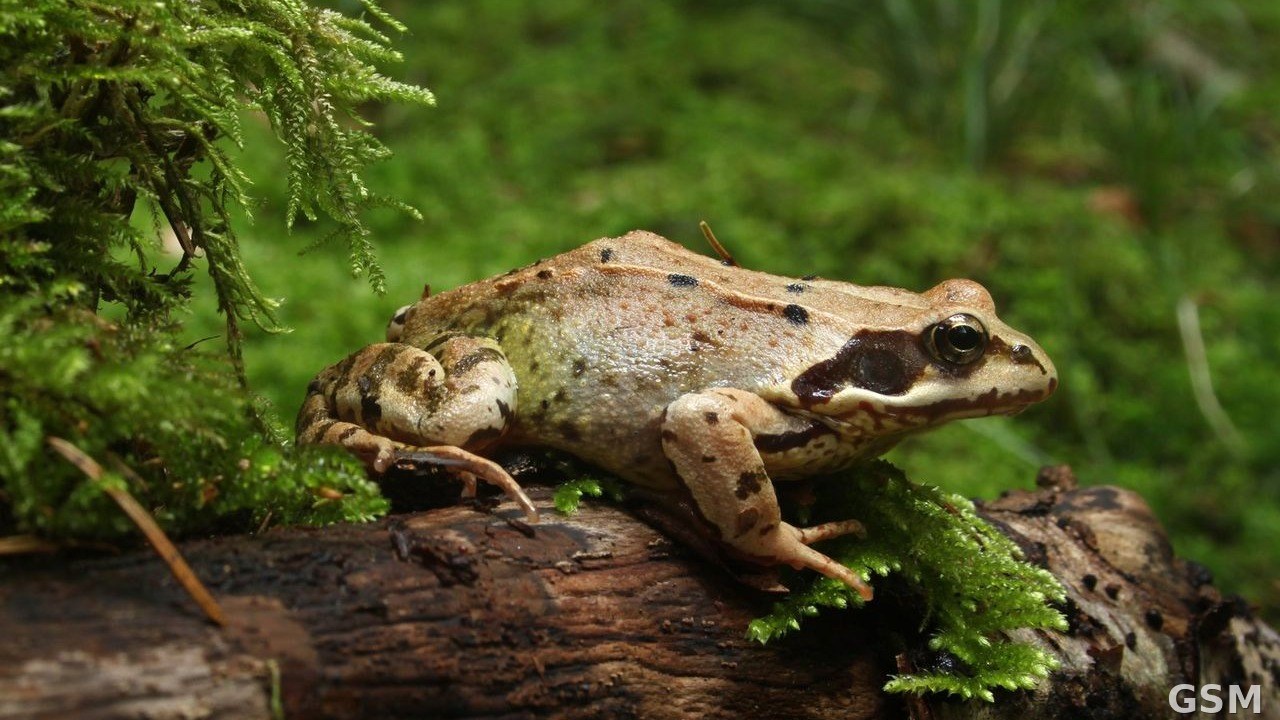
图中是一只普通林蛙(Rana temporaria)的侧面,Bar Hill 沟中出土的两栖动物骨骼多数属于这一物种
Mystery of 8,000 Frog Bones in One English Ditch Solved: Birds of Prey Feasted About 1,700 Years Ago, Study Finds
New research has solved the mystery of some 8,000 amphibian bones found in a single ditch at the Bar Hill site in Cambridgeshire, England: birds of prey such as short-eared owls feasted on the frogs during a short, intensive predation event about 1,700 years ago. The findings were reported on November 13.
The bones were unearthed between 2016 and 2018. Between 2016 and 2022, archaeologists excavating along a planned stretch of England's A14 highway uncovered more than 280,000 artifacts spanning roughly 12,000 years, including a Roman amulet carved to resemble the mythical Gorgon Medusa, the earliest physical evidence of beer production in Britain, and an Iron Age comb crafted from a human skull.
The majority of the bones belonged to frogs and toads, specifically common frogs, but shrews, voles, and mice were also present in the assemblage. The remains represented no fewer than 469 individual animals.
Based on an analysis of amphibian arm bones, researchers led by Vicki Ewens, a senior zooarchaeologist at the Museum of London Archaeology (MOLA), and Paul Clarkson, an archaeologist at Bournemouth University, concluded that most of the frogs died young, eaten by birds of prey such as short-eared owls and hen harriers in the second or third century C.E., during Britain's Roman era.
As the authors write in the journal Environmental Archaeology, water levels in the Fens, the marshy wetland that houses the gully, retreated during the Roman period, enabling frogs in drying-out ponds to reproduce at a faster rate.
MOLA first announced the find in 2022. Four years later, the new analysis offers an explanation for how so many frog remains ended up concentrated in one ditch.
来源:Environmental Archaeology
发布:GSM·美国(发布链接)
图片来源:图:一只普通林蛙(Rana temporaria)的侧面,Bar Hill 沟中出土的两栖动物骨骼多数属于这一物种。来源:Holger Krisp, CC BY 3.0,维基共享资源。 / Photo: A common frog (Rana temporaria) in profile; most of the amphibian bones from the Bar Hill ditch belonged to this species. Credit: Holger Krisp, CC BY 3.0, via Wikimedia Commons.
GSM Global · 本篇英文版 English edition of this story