研究称西南亚最早黏土塑像出自成人与孩童之手:154件纳图夫人文物中留有儿童指纹,成果11月11日发表
一项11月11日发表于《PLOS One》的研究显示,西南亚已知最早的黏土塑像传统由成人与年幼儿童共同制作。研究由耶路撒冷希伯来大学的 Laurent Davin 与同事完成。
研究材料来自黎凡特南部的3处纳图夫人遗址:上约旦河谷的 Eynan-Mallaha、迦密山的 el-Wad Terrace 和加利利的 Hayonim Terrace。发掘出土了数以万计、总重约40公斤的受热黏土与沉积物小块。
研究人员从中辨认出1000多件加工过的器物,包括15件可辨认的塑像和139件黏土圆柱体,后者多半是塑像的身体与肢体部分,具象文物合计154件。
其中一件在 Eynan-Mallaha 制作的黏土小鸟高不足14毫米,上面留有一枚指纹。研究者根据指纹脊纹的窄度判断,制作者可能不到10岁。塑像的年代约为距今15000年至13000年。
纳图夫人生活在距今约15000年至11650年前的黎凡特地区。研究称,他们是西南亚最早过上定居生活的狩猎—捕鱼—采集群体,比该地区出现农耕早数千年。
研究者表示,这些黏土器物是被有意烧制、意外烧过,还是靠近火塘受热,尚待检验,研究自述为初步成果。论文题为《Modelling symbols among the first-sedentary communities: Emergence of clay figurines in Epipaleolithic Southwest Asia》。
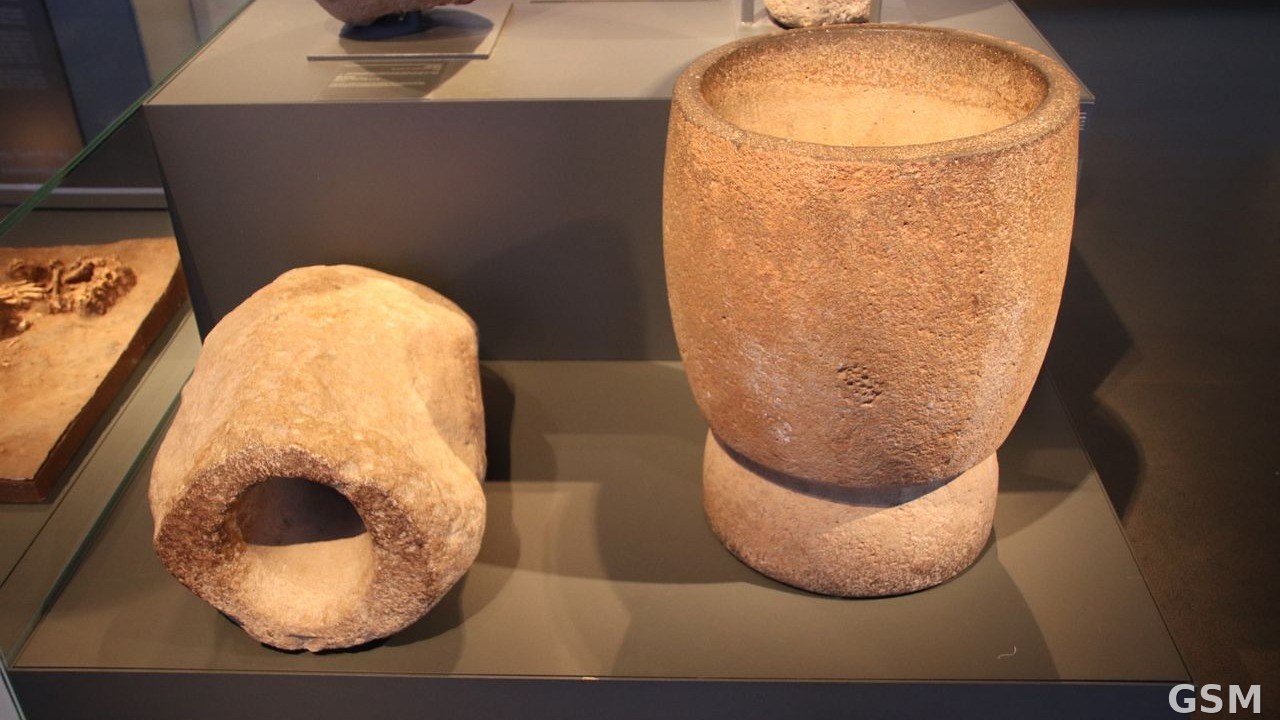
图中是藏于以色列博物馆的旧石器时代晚期石臼,出土遗址包括 Eynan,与本次研究涉及的纳图夫人遗址相同
Study Finds Adults and Children Shaped Southwest Asia's Earliest Clay Figurines: Child Fingerprints on 154 Natufian Pieces, Published November 11
A study published on November 11 in PLOS One found that the earliest known clay figurative tradition in Southwest Asia was shaped by both adults and young children. The research was led by Laurent Davin of the Hebrew University of Jerusalem and colleagues.
The material came from three Natufian sites in the Southern Levant: Eynan-Mallaha in the Upper Jordan Valley, el-Wad Terrace on Mount Carmel, and Hayonim Terrace in the Galilee. Excavations at the sites produced tens of thousands of small heated lumps of clay and sediment, about 40 kilograms in all.
From that material, the researchers identified more than 1,000 worked artifacts, including 15 identifiable figurines and 139 clay cylinders that most probably come from bodies and limbs, for a total of 154 figurative pieces.
One clay bird from Eynan-Mallaha, just under 14 millimeters tall, carries a fingerprint. Based on the narrow ridges of the print, the researchers concluded the maker was probably younger than 10. The figurines date to between about 15,000 and 13,000 years ago.
The Natufians lived in the Levant between about 15,000 and 11,650 years ago. According to the study, they were the first hunter-fisher-gatherers in Southwest Asia to adopt a sedentary lifestyle, thousands of years before anyone in the region planted a field.
Whether the pieces were fired on purpose, burned by accident, or left near a hearth has yet to be tested, and the authors describe the study as preliminary. The paper is titled 'Modelling symbols among the first-sedentary communities: Emergence of clay figurines in Epipaleolithic Southwest Asia.'
来源:PLOS One
发布:GSM·美国(发布链接)
图片来源:图:藏于以色列博物馆的旧石器时代晚期石臼,出土遗址包括 Eynan,与本次研究涉及的纳图夫人遗址相同。来源:Gary Todd, CC0,维基共享资源。 / Photo: Late Epipaleolithic stone mortars at the Israel Museum, from sites including Eynan, one of the Natufian sites in this study. Credit: Gary Todd, CC0, via Wikimedia Commons.
GSM Global · 本篇英文版 English edition of this story