WISeSat.Space11月13日公布卫星通信网络安全策略:与SEALSQ合作把后量子密码引入设计、参照NIST IR 8401
太空技术公司 WISeSat.Space 于 2026 年 11 月 13 日在瑞士日内瓦公布其卫星通信全网安全策略,覆盖从航天器及其通信链路,到任务控制中心、地面站与用户终端的整个网络。公司在纳斯达克的股票代码为 SAIQ。
该策略与姊妹公司 SEALSQ 合作推进,把基于硬件的信任与后量子密码引入卫星通信的设计。SEALSQ 开发安全半导体、公钥基础设施与后量子安全产品。
公司的开发策略强调发射前测试、对第三方提供的硬件与软件进行验证,以及为必须在间歇性联系条件下运行的任务做恢复规划。
2026 年 3 月,WISeSat.Space 的母公司 WISeKey 曾宣布,一颗搭载 SEALSQ 的 QS7001 后量子安全芯片的 WISeSat 卫星进入近地轨道。本次策略即建立在这一合作之上。
公司称,其做法参照了 NIST IR 8401 等行业指引,该指引把网络安全框架应用于卫星地面段的指挥与控制。公司还表示,其卫星容量与相关太空及地面基础设施,未来可能支持 SEALSQ 规划中的量子空间轨道云路线图。
(来源:WISeSat.Space)
WISeSat.Space Outlines Its Satellite Cybersecurity Strategy on November 13: It Works With SEALSQ to Bring Post-Quantum Cryptography Into Satellite Communications Design, Drawing on NIST IR 8401
WISeSat.Space Holdings Corp. (Nasdaq: SAIQ), a space technology company, outlined its approach to securing satellite communications across the entire network in Geneva, Switzerland on November 13, 2026, covering spacecraft and their communications links, mission control centers, ground stations and user terminals. The strategy is being developed in collaboration with its sister company SEALSQ Corp, which develops secure semiconductors, public key infrastructure and post-quantum security products, bringing hardware-based trust and post-quantum cryptography into the design of satellite communications. The company's development strategy is intended to emphasize pre-launch testing, verification of hardware and software supplied by third parties, and recovery planning for missions that must operate with intermittent contact. In March 2026, WISeSat.Space's parent company WISeKey announced the launch of a WISeSat satellite carrying SEALSQ's QS7001 post-quantum security chip into low Earth orbit. The strategy builds on that collaboration. The company's approach draws on industry guidance such as NIST IR 8401, which applies the Cybersecurity Framework to satellite ground-segment command and control. WISeSat.Space said it intends to provide satellite capacity and related space and ground infrastructure that may support SEALSQ's planned Quantum Spatial Orbital Cloud roadmap.
(Source: WISeSat.Space)
来源:WISeSat.Space
发布:GSM·美国(发布链接)
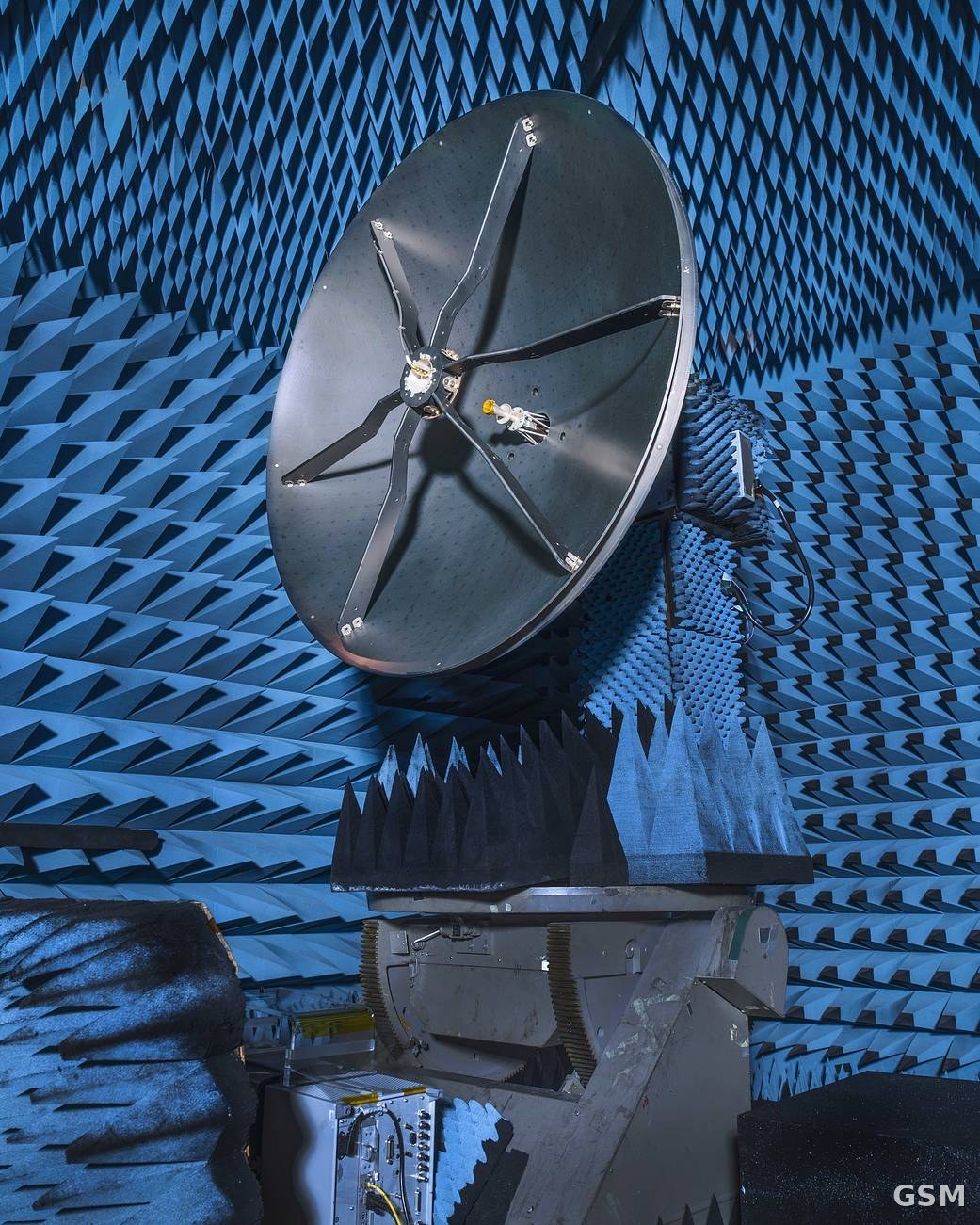
图片来源:图:罗曼太空望远镜的高增益天线。NASA/Chris Gunn,公共领域,经 Wikimedia Commons。 / Photo: NASA/Chris Gunn, public domain, via Wikimedia Commons.
GSM Global · 本篇英文版 English edition of this story