PEBA与PEMA共混膜分离1-丁醇:含5%PEMA的膜通量0.19千克每平方米每小时、分离因子15.5,《科学报告》11月13日刊出
《科学报告》11月13日刊出一项膜分离研究,报告用聚醚嵌段酰胺(PEBA)与聚甲基丙烯酸乙酯(PEMA)制成的共混膜,通过渗透蒸发从水溶液中回收1-丁醇。论文于2026年4月15日投稿、9月26日接受、11月13日刊出,数字对象标识为 10.1038/s41598-026-74025-1,作者包括 Praveenkumar Denganavar、Santosh Choudhari 与 Ashok Sajjan 等。
研究采用 Hansen 溶解度参数方法设计膜配方。实验显示,掺入 PEMA 后,膜的表面粗糙度与疏水性都有所增加。渗透蒸发测试的进料为浓度20克每升的1-丁醇水溶液,测试温度为40摄氏度。
性能最好的膜记作 PBPM-5,含5%重量的 PEMA。其通量为0.19千克每平方米每小时,分离因子为15.5。与未掺混的纯 PEBA 膜相比,通量提高了50%,分离因子提高了一倍。
研究同时报告了配比上限。掺混比例达到或超过8%重量时,由于出现相分离,渗透蒸发性能显著下降。在多组分混合物的分离测试中,膜的性能也有所下降,论文将其归因于强耦合效应。
作者总结称,少量而审慎地掺入 PEMA,可以显著增强 PEBA 膜的丁醇渗透蒸发分离能力。这项研究属于实验室膜材料测试,论文未报告工业规模装置上的运行数据。
PEBA-PEMA Blend Membrane Separates 1-Butanol With Flux of 0.19 kg/m2/h and Separation Factor of 15.5 at 5 Percent PEMA, Published in Scientific Reports on November 13
Scientific Reports published on November 13 a membrane separation study reporting blend membranes made of polyether block amide, or PEBA, and polyethyl methacrylate, or PEMA, used to recover 1-butanol from aqueous solution by pervaporation. The paper was received on April 15, 2026, accepted on September 26, 2026 and published on November 13, with digital object identifier 10.1038/s41598-026-74025-1. Authors include Praveenkumar Denganavar, Santosh Choudhari and Ashok Sajjan.
The membranes were designed using the Hansen solubility parameters approach. Blending with PEMA increased surface roughness and hydrophobicity. Pervaporation tests used an aqueous 1-butanol feed at a concentration of 20 grams per liter, at a temperature of 40 degrees Celsius.
The best-performing membrane, designated PBPM-5, contains 5 weight percent of PEMA. It yielded a flux of 0.19 kilograms per square meter per hour and a separation factor of 15.5. Compared with the pristine PEBA membrane, that is a 50 percent enhancement in flux and a twofold increase in the separation factor.
The study also reported an upper limit for blending. At a blending ratio of 8 weight percent or higher, pervaporation performance fell significantly because of phase separation. In separation tests with multi-component mixtures, performance also decreased, which the paper attributed to a strong coupling effect.
The authors concluded that judicious blending of a small amount of PEMA polymer can significantly enhance the pervaporation butanol separation capability of PEBA. The work is a laboratory membrane materials study, and the paper reported no operating data from industrial-scale equipment.
来源:《科学报告》
发布:GSM·美国(发布链接)
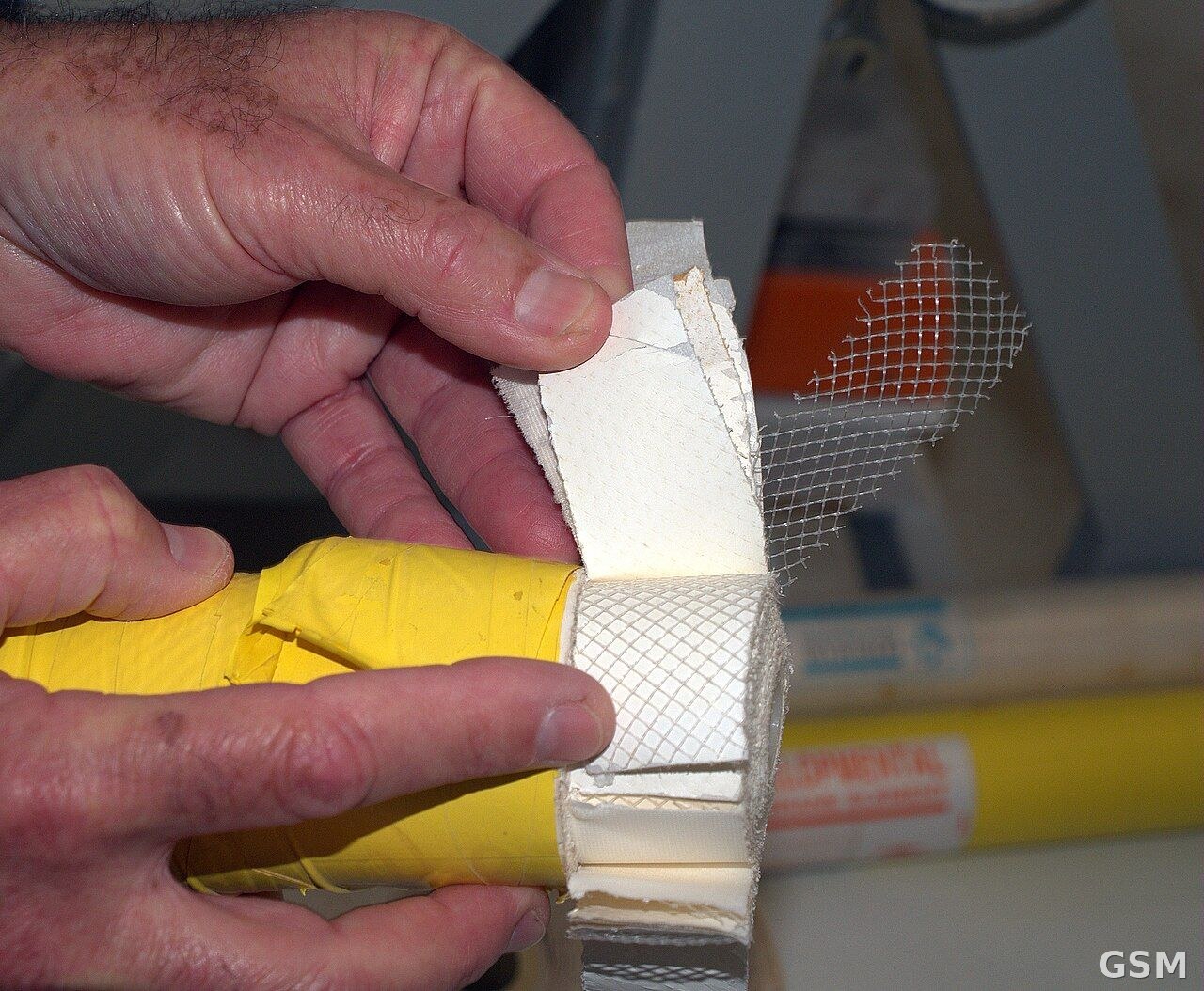
图片来源:图:膜元件的层状结构。作者:David Shankbone,CC BY 3.0,维基共享资源。 / Photo: Layers of a membrane element. Credit: David Shankbone, CC BY 3.0, via Wikimedia Commons.
GSM Global · 本篇英文版 English edition of this story