谷氨酸结合蛋白荧光探针在人工脑脊液中检出限19.70微摩尔:《科学报告》11月13日刊出
《科学报告》于 2026 年 11 月 13 日刊出意大利与塞尔维亚团队的一项研究,把谷氨酸结合蛋白制成荧光探针,用于检测人工脑脊液中的谷氨酸,论文数字对象标识为 10.1038/s41598-026-80347-x。
L-谷氨酸是哺乳动物中枢神经系统的主要兴奋性神经递质。监测其积累对追踪神经退行过程很关键,因为中风、脑损伤或恶性肿瘤等急性事件会使细胞外谷氨酸升至过高水平。
研究团队从谷氨酸棒杆菌中分离谷氨酸结合蛋白 GluB,并用环境敏感荧光染料 acrylodan 标记其三个半胱氨酸残基之一,制成探针 GluB-acrylodan。团队以热稳定性实验评估标记蛋白的稳定性,并用稳态与时间分辨荧光测量研究谷氨酸与探针的结合。
结果显示,该生物传感器能截获急性临床急症与肿瘤微环境特征性的谷氨酸浓度,在其达到极端神经毒性水平之前给出信号。在人工脑脊液中以时间分辨荧光测量测得的检出限为 19.70 微摩尔,与病理性谷氨酸浓度相容。
论文作者为 Giovanni Ferrara、Antonio Varriale、Sabato D'Auria、Maria Staiano 等人,来自意大利国家研究委员会食品科学研究所与塞尔维亚诺维萨德大学 BioSense 研究所。研究由欧盟 Know4Nano 项目资助,该项目获地平线欧洲计划资助协议编号 101159710 支持,作者称该探针可望成为神经生物学研究与细胞兴奋性毒性事件的潜在工具。
(来源:《科学报告》)
A Glutamate-Binding Protein Fluorescence Probe Reaches a Detection Limit of 19.70 Micromolar in Artificial Cerebrospinal Fluid, Published in Scientific Reports on November 13
Scientific Reports published a study by Italian and Serbian teams on November 13, 2026 using a glutamate-binding protein as a fluorescence probe for glutamate detection in artificial cerebrospinal fluid, under DOI 10.1038/s41598-026-80347-x. L-glutamate is the primary excitatory neurotransmitter in the mammalian central nervous system. Monitoring its accumulation is critical to track neurodegeneration, since excessive extracellular levels are caused by acute events such as stroke, brain injuries or malignant tumors. The team isolated the glutamate-binding protein GluB from Corynebacterium glutamicum and labeled one of its three cysteine residues with the environment-sensitive fluorescence dye acrylodan. The stability of the labeled protein was assessed through thermal stability experiments, and glutamate binding was investigated by steady-state and time-resolved fluorescence measurements. The results indicate the biosensor can intercept the glutamate concentration values characteristic of acute clinical emergencies and tumor microenvironments before they reach extreme neurotoxic levels. Tested in artificial cerebrospinal fluid through time-resolved fluorescence, the assay showed a detection limit of 19.70 micromolar, a threshold compatible with pathological glutamate concentrations. The authors, including Giovanni Ferrara, Antonio Varriale, Sabato D'Auria and Maria Staiano, are based at Italy's National Research Council Institute of Food Science and the BioSense Institute of the University of Novi Sad in Serbia. The work was funded by the European Union's Know4Nano project under Horizon Europe grant agreement 101159710, and the authors suggest the probe could become a tool for neurobiological research and cellular excitotoxic events.
(Source: Scientific)
来源:《科学报告》
发布:GSM·美国(发布链接)
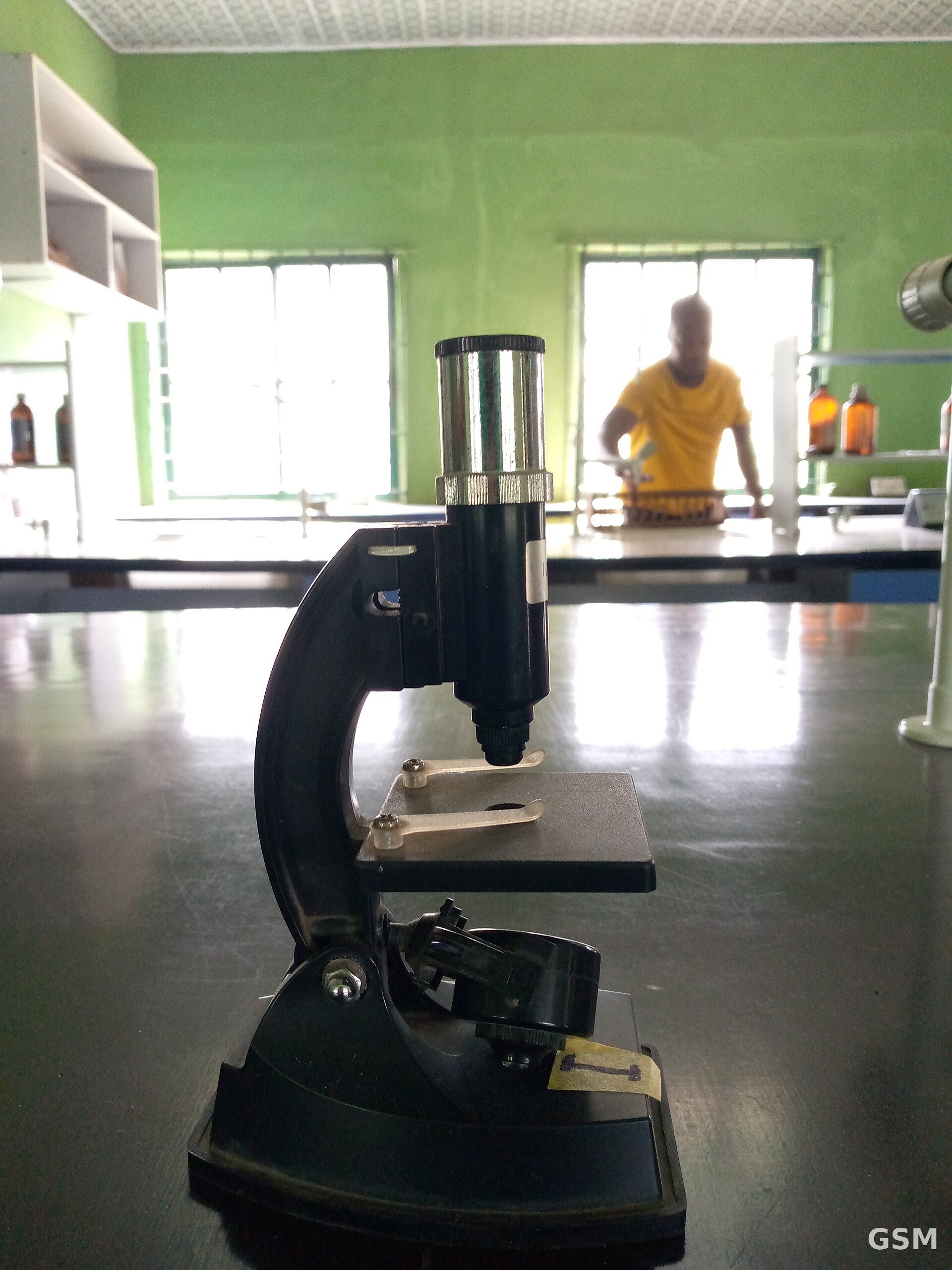
图片来源:图:实验室里的一台显微镜。Jeremyida002,CC BY-SA 4.0,经 Wikimedia Commons。 / Photo: Jeremyida002, CC BY-SA 4.0, via Wikimedia Commons.
GSM Global · 本篇英文版 English edition of this story