埃塞俄比亚加油站工人苯暴露评估:122人对照研究、呼吸带平均0.608毫克每立方米、逾四分之三加油工超职业限值,《科学报告》11月13日刊出
《科学报告》2026年11月13日刊出一项研究,评估埃塞俄比亚东北部南沃洛地区加油站工人的苯职业暴露、健康风险与相关因素。研究作横断面暴露评估,纳入61名加油工人与61名行政人员作对照。作者为Keleb、Ademas与Abebe等人,论文数字对象标识为10.1038/s41598-026-77627-x,2025年8月7日收稿、2026年10月21日接受、11月13日刊出。
期刊摘要报告,工人呼吸带空气中苯浓度总体在0.032至4.160毫克每立方米之间,平均为0.608毫克每立方米。加油工人的范围为0.064至4.160毫克每立方米,行政人员的范围为0.032至2.560毫克每立方米,平均为0.377毫克每立方米。加油工人的超额终生癌症风险在十万分之5.17至万分之3.02之间,行政人员在十万分之2.58至万分之2.07之间。
摘要还报告,从事加油工作、未使用个人防护装备与未接受岗位培训这三项因素,与不可接受的非癌症风险有统计学关联,调整后比值比分别为3.92、2.71与2.69。作者表示,逾四分之三的加油站工人暴露于高于职业限值的苯水平,加油工人的终生癌症风险比行政人员高50%。
(来源:《科学报告》)
Benzene Exposure Assessed Among Ethiopian Gasoline Station Workers: 122 Participants, a Mean Breathing-Zone Level of 0.608 Milligrams per Cubic Metre, and More Than Three-Quarters of Fueling Workers Above Occupational Limits, in Scientific Reports on November 13
A study published in Scientific Reports on November 13, 2026, evaluated benzene exposure, health risks, and associated factors among gasoline station workers in the South Wollo Zone of Northeast Ethiopia. A cross-sectional exposure assessment was conducted among 61 gas fueling workers and 61 administrative staff as controls. The authors are Keleb, Ademas, Abebe and colleagues, and the paper carries digital object identifier 10.1038/s41598-026-77627-x, was received on August 7, 2025, accepted on October 21, 2026, and published on November 13, 2026. The journal abstract reported that the overall airborne benzene concentration in workers' breathing zones ranged from 0.032 to 4.160 milligrams per cubic metre with a mean of 0.608. Gas fueling workers had higher levels, ranging from 0.064 to 4.160, and administrative staff ranged from 0.032 to 2.560, with a mean of 0.377. Excess lifetime cancer risk among gas fueling workers ranged from 5.17 times ten to the minus six to 3.02 times ten to the minus four, whereas among admin staff it ranged from 2.58 times ten to the minus six to 2.07 times ten to the minus four. Being a gas-fueling worker, not using personal protective equipment, and not receiving job training were statistically significant with unacceptable non-cancer risk, with adjusted odds ratios of 3.92, 2.71 and 2.69 respectively. The authors said more than three-quarters of gas station workers are exposed to benzene levels above occupational limits, and that gas-fueling workers have a 50 percent higher lifetime cancer risk compared to admin staff.
(Source: Scientific)
来源:《科学报告》
发布:GSM·美国(发布链接)
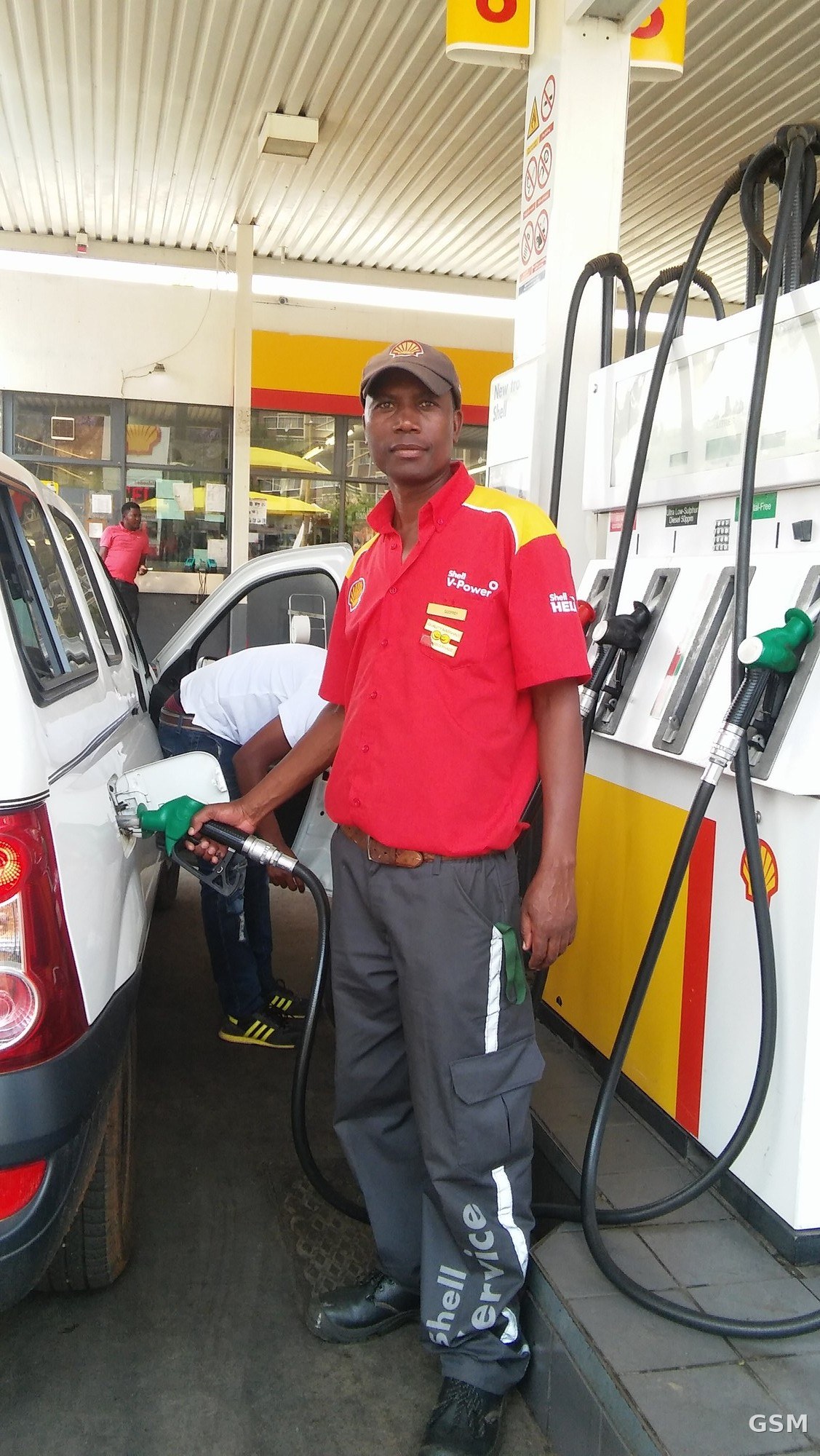
图片来源:图:一名加油站工作人员正在工作。Tefelo Ramollo,CC BY-SA 4.0,经 Wikimedia Commons。 / Photo: Tefelo Ramollo, CC BY-SA 4.0, via Wikimedia Commons.
GSM Global · 本篇英文版 English edition of this story