印度和孟加拉国全国禁用百草枯:世卫组织称赞,称此举预计将挽救成千上万人的生命
世界卫生组织近日发布新闻稿,欢迎印度和孟加拉国禁用剧毒农药百草枯,称两国今年9月先后下达的全国禁令是预防自杀与保护大脑健康的重要一步,预计将挽救成千上万人的生命。百草枯是农业中常用的除草剂,急性毒性极强、没有特效解毒剂,并与自杀、帕金森病和农民职业健康风险相关联。
印度政府9月22日依据《杀虫剂法》发布命令,禁止百草枯二氯化物的进口、制造、销售、运输、分销和使用,并取消其现有注册证书;孟加拉国政府9月30日宣布六个月逐步淘汰:停止新的进口、注册与许可证续期,现有库存须在六个月内用完。孟加拉国今年发表的一项研究显示,当地百草枯自我投毒病例与死亡人数显著上升,中毒病例死亡率高达约四成。
世卫组织指出,全球每年自杀死亡中估计有15%至20%源于故意摄入急性毒性农药,相当于每年多达14万人;对这类高危农药下达全国禁令,是该组织认定的最具成本效益的心理健康干预措施之一。世卫组织与联合国粮农组织已为各国农药登记与政策人员提供配套的监管指引。
百草枯此前已被全球70多个国家禁止,欧盟早在2007年即已禁用。世卫组织表示,印度与孟加拉国的决定为世界其他地区树立了重要先例;本月举行的《全球化学品框架》首届国际会议将继续推进从农业中淘汰高危农药的全球目标。
(来源:世界卫生组织)
India and Bangladesh Ban Paraquat Nationwide: WHO Welcomes the Move, Saying It Is Expected to Save Thousands of Lives
The World Health Organization has welcomed national bans on the highly toxic pesticide paraquat in India and Bangladesh, calling the two countries' September decisions a major step for suicide prevention and brain health that is expected to save thousands of lives. Paraquat, a widely used herbicide, is acutely toxic, has no specific antidote, and has been linked to suicide, Parkinson's disease and occupational risks for farmers.
India's government issued an order on September 22 under the Insecticides Act prohibiting the import, manufacture, sale, transport, distribution and use of paraquat dichloride and cancelling existing registration certificates. Bangladesh announced a six-month phase-out on September 30: new imports, registrations and licence renewals have been stopped, and existing stocks must be used up within six months. A study published in Bangladesh this year found a significant rise in paraquat self-poisoning cases and deaths, with a case fatality rate of about 40 percent.
WHO estimates that 15 to 20 percent of suicides worldwide stem from deliberate ingestion of acutely toxic pesticides, equivalent to up to 140,000 deaths a year, and it counts national bans on such highly hazardous pesticides among the most cost-effective interventions for mental health. WHO and the Food and Agriculture Organization have published regulatory guidance to help pesticide registrars and policymakers phase out these products.
Paraquat had already been banned in more than 70 countries, including across the European Union since 2007. WHO said the decisions by India and Bangladesh set an important precedent for the rest of the world, and that the first International Conference of the Global Framework on Chemicals, taking place this month, will advance the global target of phasing highly hazardous pesticides out of agriculture.
(Source: World Health Organization)
来源:世界卫生组织
发布:GSM·美国(发布链接)
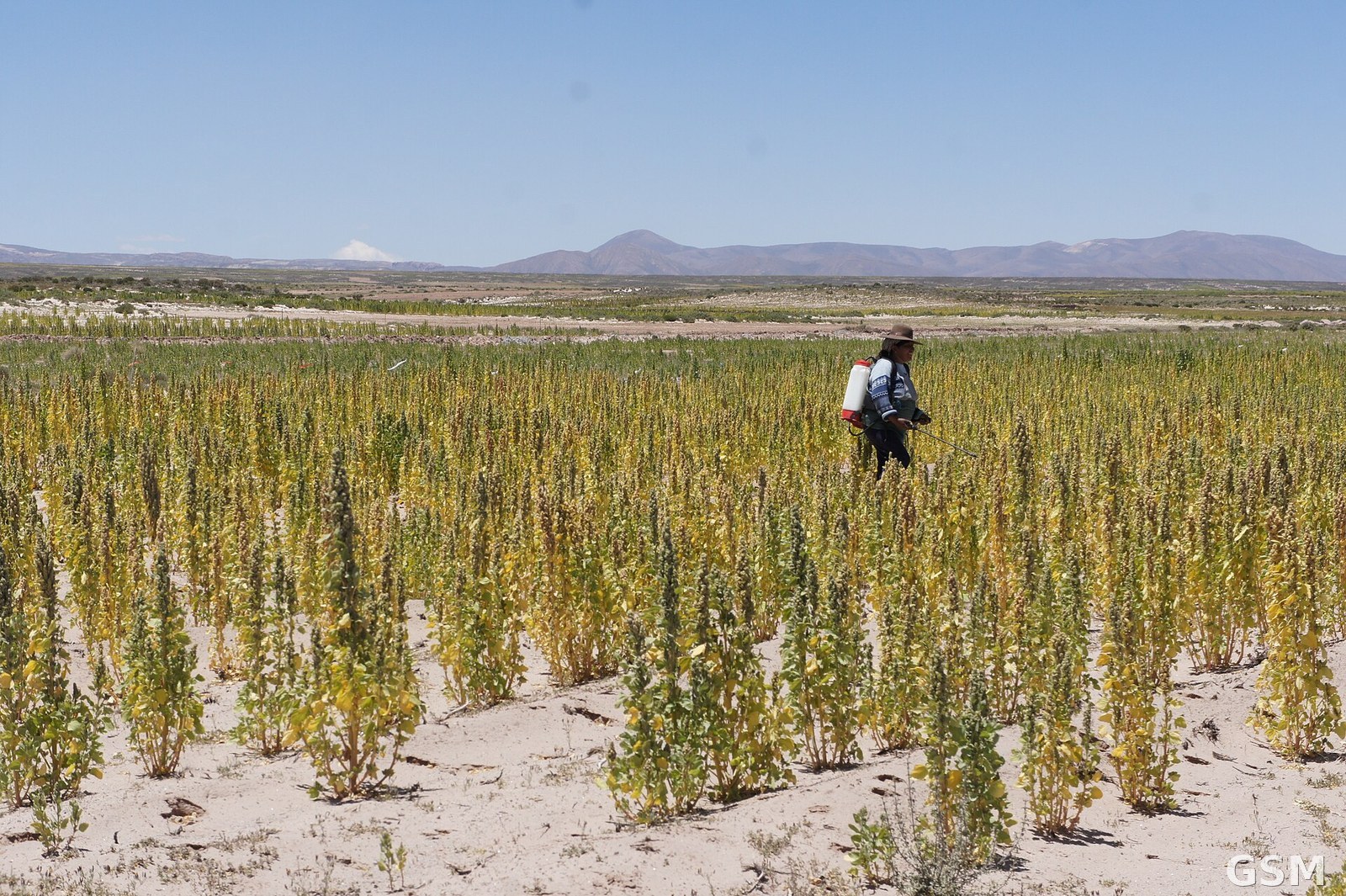
图片来源:图:农田里喷洒农药的作业场景(资料图)。Michael Hermann 摄,CC BY-SA 4.0,经 Wikimedia Commons。 / Photo: Pesticide spraying in a field (file photo). By Michael Hermann, CC BY-SA 4.0, via Wikimedia Commons.
GSM Global · 本篇英文版 English edition of this story