Aravax 花生过敏肽免疫疗法 PVX108 二期试验达主要终点:儿童耐受剂量增幅2.4倍对1.2倍
Aravax 11月12日宣布,其在研花生过敏免疫疗法 PVX108 的 2 期临床试验(AVX-201,登记号 NCT05621317)取得积极顶线结果:试验达到主要终点,接受每月一次治疗的 4 至 11 岁儿童对花生的最大耐受剂量增幅显著高于安慰剂组。试验在美国与澳大利亚的 14 个试验点进行。
主要疗效队列共 71 名 4 至 11 岁花生过敏儿童,随机、双盲、安慰剂对照接受每月皮内注射 PVX108,两个剂量组(5 纳摩尔、50 纳摩尔)治疗 12 个月后以双盲安慰剂对照食物激发试验评估疗效。第 12 个月时,50 纳摩尔组花生最大耐受剂量较基线增加 2.4 倍,安慰剂组为 1.2 倍,差异具有统计学意义。50 纳摩尔组 39.4% 的受试者耐受累计 443 毫克及以上花生蛋白,安慰剂组为 16.7%;一粒花生约含 250 至 300 毫克花生蛋白。
安全性方面,PVX108 耐受良好:两剂量组均未报告与治疗相关的过敏性不良事件,包括过敏性休克,也未报告与治疗相关的严重不良事件。与治疗相关的不良事件共 6 例,均为 2 级或以下,最常见为给药部位局部反应。试验完成率为 96%(68/71),无受试者因研究治疗退出。
次要与探索性终点也有收获:50 纳摩尔组在食物激发中反应严重程度显著降低,超过三分之二的受试者对基线反应剂量的反应被评为无或轻度,安慰剂组为 35%;儿童自评的食物过敏情绪负担显著减轻,呈剂量依赖性改善;花生皮肤点刺试验反应也显著改善。停药 6 个月后(第 18 个月)随访食物激发显示临床效应维持或进一步改善,提示该疗法可能改变疾病进程;87% 的完成者选择转入为期 12 个月的开放标签延长期,数据预计 2027 年下半年公布。
完整顶线结果将于 11 月 14 日在美国变态反应、哮喘与免疫学学会(ACAAI)2026 年会凤凰城会议上,由亚特兰大儿童医疗保健中心变态反应与免疫学主任、埃默里大学医学院儿科临床研究教授 Brian P. Vickery 在迟报口头报告专场公布。PVX108 是一种以专有肽段精准重训免疫系统、使机体重新耐受花生蛋白的在研疗法,已获得美国食品药品监管局 FDA 的花生过敏快速通道认定。
需要说明的是,PVX108 仍是在研疗法,尚未获批上市,其疗效与安全性仍需更大规模试验确认。关联:DBV 花生贴片三期新数据:4至7岁儿童应答率46.6%对14.8%,平均依从性96.1%(来源:Aravax)
Aravax Peanut Allergy Therapy PVX108 Meets Phase 2 Primary Endpoint: Tolerated Dose Up 2.4-Fold vs 1.2-Fold in Children
Aravax announced on November 12 that its Phase 2 trial (AVX-201, NCT05621317) of PVX108, its investigational peanut allergy immunotherapy, met its primary endpoint, with children aged 4 to 11 receiving once-monthly treatment showing a significantly greater increase in the maximum tolerated dose of peanut than placebo. The trial ran at 14 sites in the United States and Australia.
The primary efficacy cohort enrolled 71 children aged 4 to 11 with peanut allergy, randomized double-blind to monthly intradermal PVX108 at two doses (5 nmol, 50 nmol) or placebo for 12 months, with efficacy measured by double-blind, placebo-controlled food challenge. At month 12, the maximum tolerated dose rose 2.4-fold from baseline in the 50 nmol group, versus 1.2-fold on placebo, a statistically significant difference. In the 50 nmol group, 39.4% of participants tolerated a cumulative dose of at least 443 mg of peanut protein, versus 16.7% on placebo; one peanut contains roughly 250 to 300 mg of peanut protein.
PVX108 was well tolerated: neither dose produced treatment-related allergic adverse events, including anaphylaxis, or treatment-related serious adverse events. Only six treatment-related adverse events were reported in total, all grade 2 or lower, most commonly local administration-site reactions. Completion was 96% (68 of 71), with no withdrawals due to study treatment.
Secondary and exploratory endpoints were also met: reaction severity at food challenge fell significantly in the 50 nmol group, with more than two-thirds of reactions to the baseline reactive dose graded zero or mild, versus 35% on placebo; children reported a significant, dose-dependent reduction in the emotional impact of living with food allergy; and peanut skin prick test reactions improved significantly. A follow-up food challenge six months after treatment ended (month 18) showed maintenance or improvement of clinical effects, indicating disease-modifying potential, and 87% of completers chose to continue into a 12-month open-label extension, with results expected in the second half of 2027.
Full topline results will be presented by Brian P. Vickery, MD, Chief of Allergy and Immunology at Children's Healthcare of Atlanta and Professor and Vice-Chair of Pediatric Clinical Research at Emory University School of Medicine, in a late-breaking oral presentation at the American College of Allergy, Asthma and Immunology (ACAAI) 2026 Annual Scientific Meeting in Phoenix on November 14. PVX108 is an investigational peptide immunotherapy designed to retrain the immune system to tolerate peanut protein, and it holds FDA Fast Track designation for peanut allergy.
PVX108 remains investigational and is not approved for sale; its efficacy and safety require confirmation in larger studies. Related: DBV Peanut Patch Phase 3 Data: 46.6% Response in Children 4-7 vs 14.8% on Placebo, 96.1% Compliance (Source: Aravax)
来源:Aravax
发布:GSM·美国(发布链接)
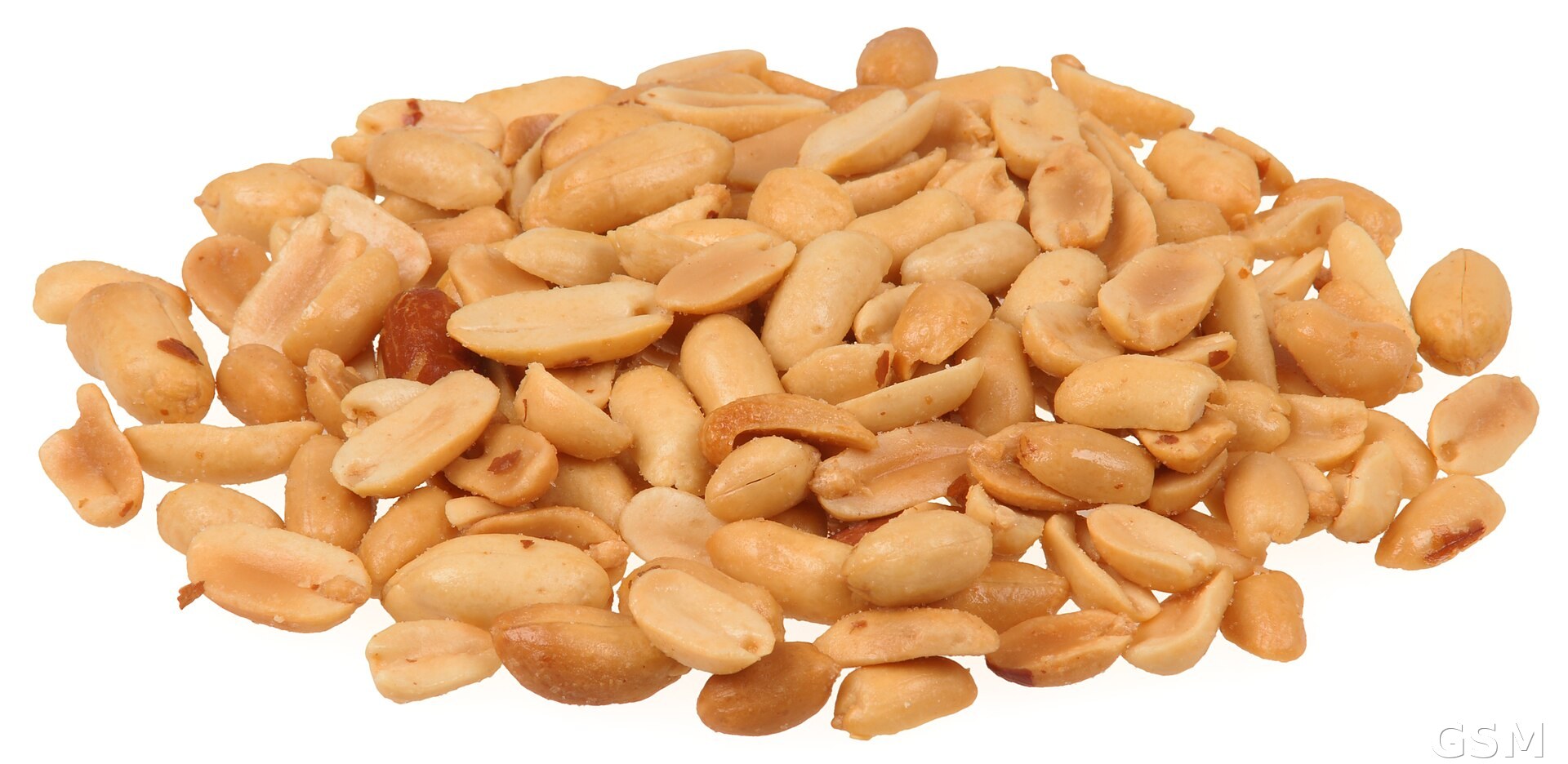
图片来源:图:花生。Evan-Amos 摄,Wikimedia Commons,CC0。 / Image: Peanuts. By Evan-Amos, via Wikimedia Commons, CC0.
GSM Global · 本篇英文版 English edition of this story