Intellia 基因编辑疗法 lonvo-z 新数据:遗传性血管性水肿患者发作率下降81%,50毫克组全部停用长期预防药
美国马萨诸塞州 Cambridge 的基因编辑公司 Intellia Therapeutics(Nasdaq: NTLA)11月12日公布其一次性 CRISPR 基因编辑疗法 lonvo-z(lonvoguran ziclumeran)治疗遗传性血管性水肿(HAE)的多项新数据。数据来自在亚利桑那州 Phoenix 举行的美国过敏、哮喘与免疫学会(ACAAI)2026年年会上的七场报告。
在三期 HAELO 试验中,入组时正在接受长期预防治疗的35名患者在接受 lonvo-z 后,疗效观察期内的平均发作率较其此前预防治疗期间下降81%;其中63%的患者达到完全控制,无发作比例是此前预防治疗期间的三倍以上。
在1/2期试验中,接受一次性50毫克剂量的患者,血浆激肽释放酶出现深幅、一致且持久的下降:四周时平均下降84%,并在最长四年的随访中保持。给药后一年内,每个月保持无发作的患者比例至少为90%;截至数据截止点,接受50毫克剂量的全部患者都已不再需要长期预防治疗。
综合1/2期与三期 HAELO 试验共93名接受50毫克单次给药的患者,整体发作率较基线下降89%,随访最长四年;97%的患者在治疗后从未再启动长期预防治疗,最新随访时全部患者均处于停用长期预防治疗状态。最常见的不良事件为输注相关反应、头痛、疲劳和鼻咽炎,未发现新的长期风险。
患者报告结果方面,研究者访谈了23名1/2期患者,中位随访2.4年:全部受访者表示给药后病情控制良好(给药前为48%),22人(96%)认为 lonvo-z 是最优疗法。在生活质量方面,HAELO 试验中 lonvo-z 组第28周血管性水肿生活质量量表总分平均下降23.5分,安慰剂组下降6.5分,而6分即被视为具有临床意义的差异门槛。
lonvo-z 通过单次给药灭活 KLKB1 基因、持久降低激肽释放酶,有望成为遗传性血管性水肿的首个一次性治疗。该药已获得美国食品药品管理局(FDA)的孤儿药与再生医学先进疗法认定。2026年9月,FDA 受理了 lonvo-z 的生物制品许可申请并授予优先审评,处方药使用者付费法案目标行动日期为2027年3月10日。遗传性血管性水肿是一种罕见遗传病,估计每50,000人中有一人患病,发作可累及多个器官与组织,可能疼痛、致残甚至危及生命。(来源:Intellia Therapeutics)
Intellia Reports New Lonvo-z Data: 81% Lower Attack Rate Versus Prior Prophylaxis in HAE, All 50 mg Patients Off Long-Term Prophylaxis
Intellia Therapeutics, Inc. (Nasdaq: NTLA), a gene-editing company based in Cambridge, Massachusetts, on November 12 announced new data for lonvo-z (lonvoguran ziclumeran), its one-time CRISPR gene-editing candidate for hereditary angioedema (HAE), drawn from seven presentations at the American College of Allergy, Asthma & Immunology (ACAAI) 2026 Annual Scientific Meeting in Phoenix, Arizona.
In the Phase 3 HAELO trial, among 35 patients who were taking long-term prophylaxis (LTP) at study entry and were randomized to lonvo-z, the mean HAE attack rate fell by 81% during the efficacy observation period compared with the rate on prior LTP. Following treatment, 63% of these patients achieved complete control, more than tripling the attack-free rate seen on prior prophylaxis.
In the Phase 1/2 study, patients who received a one-time 50 mg dose saw deep, consistent and durable reductions in plasma kallikrein, with a mean reduction of 84% at four weeks maintained through up to four years of follow-up. The proportion of patients attack-free after one year was at least 90% in each month, and all patients receiving 50 mg were LTP-free as of the data cutoff.
Across an integrated analysis of 93 patients who received a single 50 mg dose in the Phase 1/2 and Phase 3 HAELO studies, the overall attack rate fell by 89% from baseline through up to four years of follow-up, and 97% of patients never initiated LTP after treatment. The most common treatment-emergent adverse events were infusion-related reactions, headache, fatigue and nasopharyngitis, and no new long-term risks were identified.
In patient-reported outcomes, interviews with 23 Phase 1/2 patients at a median follow-up of 2.4 years found all of them described their HAE as well controlled after lonvo-z, compared with 48% before treatment, and 22 of the 23 (96%) described lonvo-z as an optimal therapy. In the HAELO trial, lonvo-z produced a 23.5-point mean reduction in Angioedema Quality of Life total score by week 28, versus 6.5 points for placebo, against a 6-point threshold for a clinically important difference.
Lonvo-z is designed to permanently lower kallikrein by inactivating the KLKB1 gene with a single outpatient dose, and could become the first one-time treatment for HAE. It holds Orphan Drug and Regenerative Medicine Advanced Therapy designations from the U.S. Food and Drug Administration (FDA). In September 2026, the FDA accepted the Biologics License Application for lonvo-z and granted Priority Review, with a PDUFA target action date of March 10, 2027. HAE is a rare genetic disease estimated to affect one in 50,000 people, with attacks that can be painful, debilitating and life-threatening. (Source: Intellia Therapeutics)
来源:Intellia Therapeutics
发布:GSM·美国(发布链接)
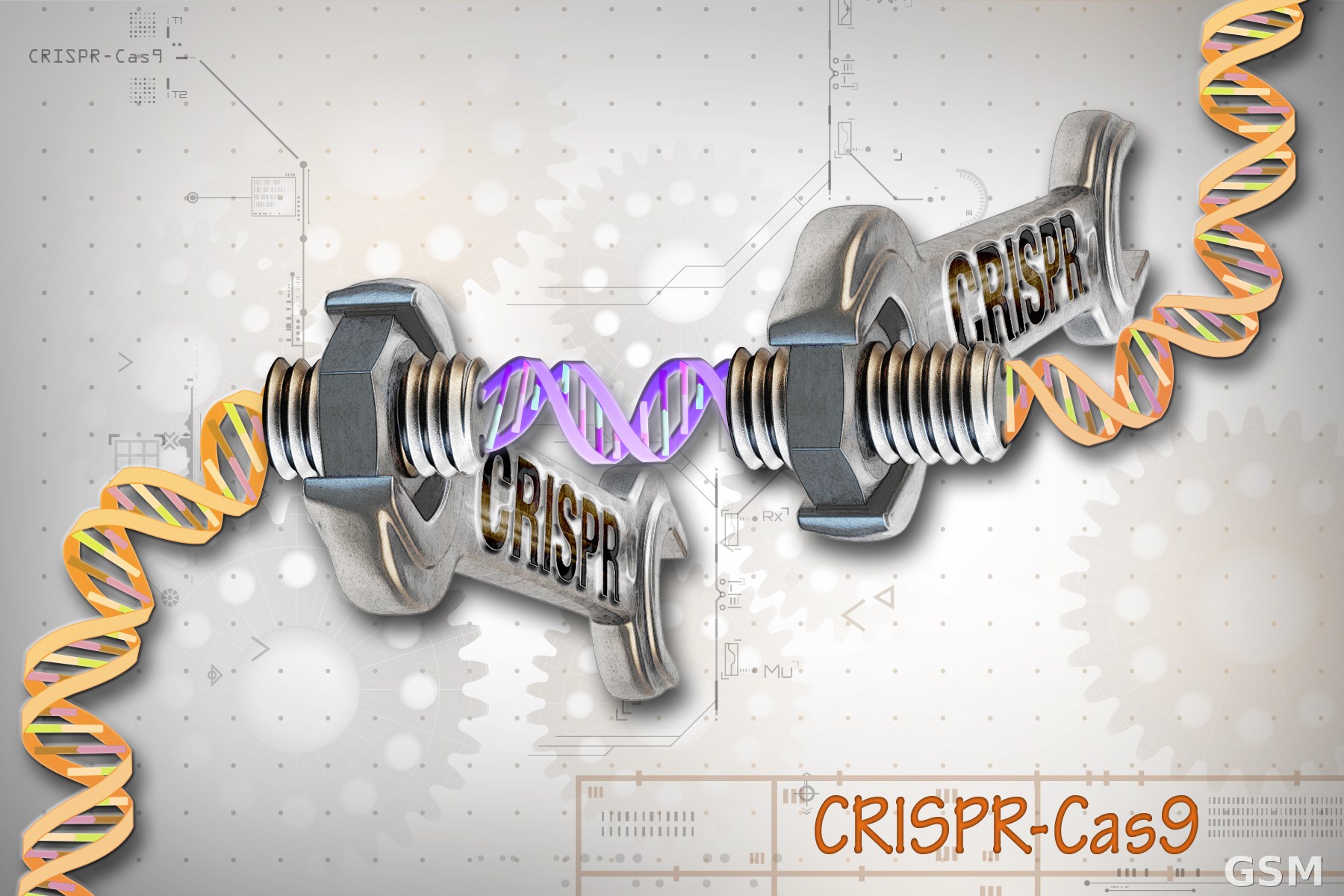
图片来源:图:CRISPR 基因编辑示意图。美国国家人类基因组研究所供图,Wikimedia Commons,公共领域。 / Image: Illustration of CRISPR gene editing. By the National Human Genome Research Institute, via Wikimedia Commons, public domain.
GSM Global · 本篇英文版 English edition of this story