加州首次确认大口黑鲈病毒:内华达县一座湖泊约220条鱼死亡
加州鱼类与野生动物局(CDFW)11月12日宣布,该局已确认大口黑鲈病毒(LMBV)在加州内华达县的 Lake of the Pines 出现,这是这种病毒首次在加州被确认。Lake of the Pines 是当地一座面积232英亩的私人湖泊,今年9月那里发生鱼类死亡事件,约220条鱼死亡,多数是大口黑鲈,也有部分蓝鳃太阳鱼。
CDFW 鱼类健康实验室对死鱼的检验确认了病毒感染,感染来源尚未查明。CDFW 表示,这种病毒可经受污染的装备、受感染的饵鱼、投放受感染的大口黑鲈,或引入其他带毒鱼种传入一片水域。
CDFW 渔业处处长 Jay Rowan 说,大口黑鲈在加州分布广泛,是很受欢迎的游钓鱼种,对乡村社区也有经济重要性,这次发现令人警醒。他请全体加州人协助防止病毒进一步扩散:不要把活鱼或死鱼从一片水域转移到另一片水域,船只和渔具在用过之后要清洁、排干、晾干。
大口黑鲈病毒1990年代首次在 Florida 被记录,此后已扩散到美国多地。病毒一旦进入一个大口黑鲈种群便极难根除,目前没有可用的治疗方法或疫苗。暴发可持续数天到数周,体型较大的大口黑鲈死亡比例通常较高;存活下来的鱼会逐渐对病毒产生抵抗力,种群可以恢复,但大型鱼种群受到的影响可能持续数年。斑点鲈、蓝鳃太阳鱼和刺盖太阳鱼等鱼种可以携带并传播病毒而不显症状,小口黑鲈也可能发病。
受感染的大口黑鲈可能出现皮肤溃疡、体色变深、腹腔肿胀、眼球突出、发红、行动迟缓、游动异常、浮在水面和难以下潜等症状。夏季水温升高、水质变差、垂钓压力等应激条件,都可能让带毒鱼发病。
CDFW 表示,这种病毒对人类和其他温血动物没有风险,食用大口黑鲈、在有病毒的水域游泳或饮水都没有健康顾虑;该局同时表示,鱼类仍应妥善烹制,以防其他食源性疾病。
CDFW 请所有到水边活动的人按有病毒存在来防范:不要转移任何活鱼、死鱼或鱼体部分,留着吃的鱼除外;处理鱼就在捕获的水边或在家里进行,鱼体残余放进垃圾;剩余饵料放进垃圾;离场前排干船只、饵料箱、舱底和活鱼舱里的水;打算放流的鱼轻拿轻放;接触过水或泥的渔具和涉水装备离场前冲洗、清洁或晾干,用热水洗过并彻底干燥之后再拿到另一片水域使用。
CDFW 正在排查这种病毒是否也存在于加州其他水域,并请公众把大口黑鲈大量死亡的情况报告给就近的 CDFW 区域办公室。
(来源:加州鱼类与野生动物局)
Largemouth Bass Virus Confirmed in California for First Time After About 220 Fish Die at a Nevada County Lake
The California Department of Fish and Wildlife (CDFW) announced on November 12 that it has confirmed Largemouth Bass Virus (LMBV) at Lake of the Pines in Nevada County, California, the first time the virus has been confirmed in California. Lake of the Pines is a private, 232-acre lake where a fish die-off in September claimed approximately 220 fish, mostly largemouth bass but some bluegill as well.
Necropsies performed at CDFW's Fish Health Lab confirmed the viral infection. The source of the infection has not been identified. CDFW said the virus can be introduced through contaminated equipment, infected baitfish, stocking infected largemouth bass, or introducing other infected carrier species.
Jay Rowan, CDFW Fisheries Branch Chief, called it a sobering discovery given how widely distributed largemouth bass are in California, how popular they are as a sport fish, and their economic importance to rural communities. He asked all Californians to help prevent further spread by not moving fish, alive or dead, from one waterbody to another, and by cleaning, draining and drying boats and fishing equipment after use.
LMBV was first documented in Florida in the 1990s but has since spread throughout the United States. It is extremely difficult to eradicate from a largemouth bass population once infected, and there are no available treatments or vaccines. Outbreaks can last days or weeks, typically killing a high percentage of the larger largemouth bass in an infected waterbody. Surviving fish eventually build resistance and populations can recover, but impacts on larger fish can last for years. Spotted bass, bluegill and crappie can carry and transmit the virus without showing symptoms, and smallmouth bass can also develop the disease.
Infected largemouth bass can show skin sores or ulcers, darkened skin, a distended body cavity, bulging eyes, redness, lethargy, erratic swimming, surface swimming and difficulty submerging. Stressful conditions such as elevated summer water temperatures, poor water quality and angling pressure can activate the disease in infected fish.
CDFW said LMBV poses no risk to humans or other warm-blooded animals, and that there are no health concerns for anglers who eat largemouth bass or for recreational users who swim in or drink LMBV-infected water. The department noted that fish should still be properly prepared to prevent other food-borne illnesses.
CDFW asked anglers and recreational users to assume LMBV is present in any body of water: do not move any fish, alive or dead, or any part of a fish between waterbodies, except fish kept for immediate consumption; clean fish at the waterbody where they were caught or at home and put all fish parts in the trash; put leftover bait in the trash; drain all water from watercraft, bait tanks, bilges and livewells before leaving; handle fish intended for release with care; and rinse, clean or dry any fishing or recreational equipment that touched water or mud, washing gear in hot water and drying it thoroughly before use at a different waterbody.
CDFW is working to determine whether LMBV is present in any other California waterbodies, and asked the public to report significant largemouth bass mortality events to the nearest CDFW regional office.
(Source: California Department of Fish and Wildlife)
来源:加州鱼类与野生动物局
发布:GSM·美国(发布链接)
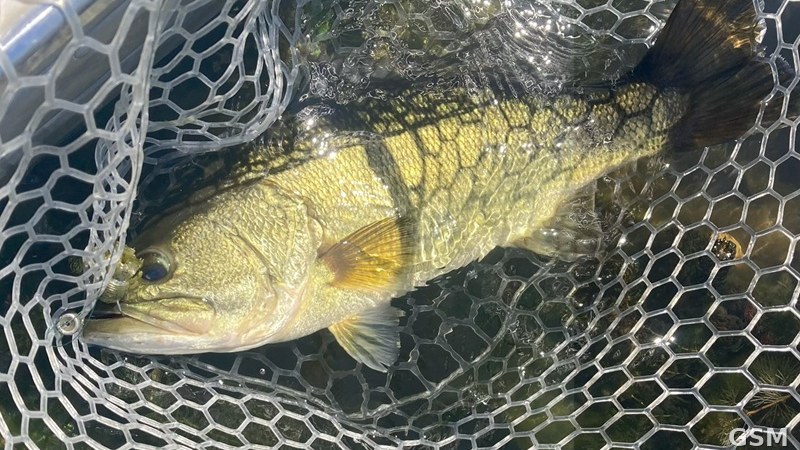
图片来源:图:一条健康的大口黑鲈。照片:加州鱼类与野生动物局(CDFW)。 / Photo: A healthy largemouth bass. Photo: California Department of Fish and Wildlife (CDFW).
GSM Global · 本篇英文版 English edition of this story