「给鱼脑部来一针」的机器人帖文疯传:南加州Shinkei把日本活締术装上美国渔船
11月6日,社交平台X上一条帖文把一家南加州创业公司送上热议榜。帖文作者Ole Lehmann把位于加利福尼亚州洛杉矶县El Segundo的Shinkei Systems称为「有史以来最荒诞的AI创业公司」,据行业数据库Dealroom梳理,该帖浏览量达数百万次;11月8日,多家科技媒体跟进报道。
网友热议的对象,是这家公司造的船上机器人Poseidon。TechCrunch报道,Poseidon约一台冰箱大小,装在渔船甲板上:渔民把刚捕上船的鱼送入机器,计算机视觉先识别鱼的种类、定位脑部,随后一根金属针刺入鱼脑、并切开鱼鳃,整道工序在数秒内完成。阿拉斯加库克湾(Cook Inlet)渔民今夏的使用报道说,机器要瞄准的脑部目标只有约3毫米。
这套动作自动化的是日本延续数百年的活締(ike jime)处理法。传统做法由受过训练的渔民在捕捞现场手工完成:让鱼在挣扎或窒息之前迅速死亡,避免压力激素与乳酸涌入鱼肉。TechCrunch指出,普通方式下鱼从数分钟到一小时的缓慢死亡会拉低肉质与保鲜期;活締处理则能延缓腐败,让鱼肉可以安全熟成数日。
保鲜效果是这家公司的主打卖点。Shinkei称,经其处理鱼的品质保持时间可达普通方式的两到三倍;公司联合创始人兼首席执行官Saif Khawaja对TechCrunch表示,一条鱼通常5到7天的保质期可以拉长到12至14天。不过,科技媒体AI World Today同时指出,这组保鲜增益目前尚无广泛的独立研究验证。
商业模式上,Shinkei把Poseidon免费提供给合作渔民使用,再以高于码头拍卖价的溢价收购处理过的渔获,运到公司在华盛顿州Tacoma买下的一座1.6万平方英尺加工厂分割处理,以自有品牌Seremoni出售。TechCrunch报道,洛杉矶连锁超市Erewhon已在卖Seremoni级别的味噌黑鳕鱼,先在Manhattan Beach门店试点、再向更多门店扩展;公司称其供货的餐厅合计拥有50颗米其林星。
这台机器人已经在美国渔船上跑了一年多。Semafor 2025年7月报道时,Poseidon已在三艘西海岸渔船上运行,并通过Starlink回传数据训练系统。据阿拉斯加《Homer Independent Press》2026年10月报道,库克湾两名渔民今夏试用后,红鲑卖到每磅3.70美元、高于码头价2.80美元,两人都表示2027年愿意继续与Shinkei合作。
Shinkei由Saif Khawaja与前SpaceX工程师Reed Ginsberg于2021年创立。据Dealroom,2025年6月,公司完成2,200万美元A轮融资,由Founders Fund与Interlagos Capital共同领投;此前还有Cantos领投的600万美元种子轮。一条帖文的热度会退,但渔船上的这台机器已经在按季出海。
Viral Post Spotlights Shinkei's Fish Robot: Poseidon Automates Japan's Ike Jime on U.S. Fishing Boats
On November 6, a post on X pushed a Southern California startup into the spotlight. Writing about Shinkei Systems, based in El Segundo, Los Angeles County, California, poster Ole Lehmann called it "the most absurd AI startup ever." According to industry database Dealroom, the thread drew millions of views, and several tech outlets followed up on November 8.
The subject of the buzz is Poseidon, a robot the company builds for fishing boats. TechCrunch reports that Poseidon is about the size of a refrigerator and sits on deck: crew feed in fish as they come aboard, computer vision identifies the species and locates the brain, and a metal spike pierces the brain while a cut severs the gills, all within seconds. Reporting from Alaska's Cook Inlet, where fishermen used the machine this summer, put the brain target at about three millimeters.
The process automates ike jime, a Japanese technique used for centuries and traditionally performed by hand by trained fishermen at the moment of catch: the fish dies before it can thrash or suffocate, keeping stress hormones and lactic acid from flooding the meat. TechCrunch notes that a slow death of minutes to an hour dulls flavor and shortens shelf life under conventional handling, while ike jime delays decomposition enough for the flesh to be safely aged for days.
Shelf life is the company's central pitch. Shinkei says fish handled this way retain their quality two to three times longer, and co-founder and CEO Saif Khawaja told TechCrunch that a catch with a typical five-to-seven-day shelf life can stretch to 12 or 14 days. Tech outlet AI World Today notes, however, that those exact gains have not yet been widely verified by independent research.
Under Shinkei's business model, Poseidon machines go to partner fishermen free of charge, and the company buys the processed catch back at a premium over standard dock prices. The fish ships to a 16,000-square-foot plant Shinkei bought in Tacoma, Washington, where it is broken down and sold under its consumer brand, Seremoni. TechCrunch reports that Los Angeles grocery chain Erewhon sells Seremoni Grade Miso Black Cod, launched as a pilot at its Manhattan Beach location and expanding to more stores, and the company says it supplies restaurants holding a combined 50 Michelin stars.
The robot has been working U.S. boats for over a year. Semafor reported in July 2025 that Poseidon was running on three West Coast vessels, with Starlink feeding live training data. According to Alaska's Homer Independent Press in October 2026, two Cook Inlet fishermen who tried it this summer were paid $3.70 a pound for sockeye salmon against a dock price of $2.80, and both said they plan to work with Shinkei again in 2027.
Shinkei was founded in 2021 by Saif Khawaja and Reed Ginsberg, a former SpaceX engineer. According to Dealroom, the company raised a $22 million Series A in June 2025 co-led by Founders Fund and Interlagos Capital, after a $6 million seed round led by Cantos. The viral moment will fade; the machine on deck is already sailing season after season.
来源:TechCrunch
发布:GSM·美国(发布链接)
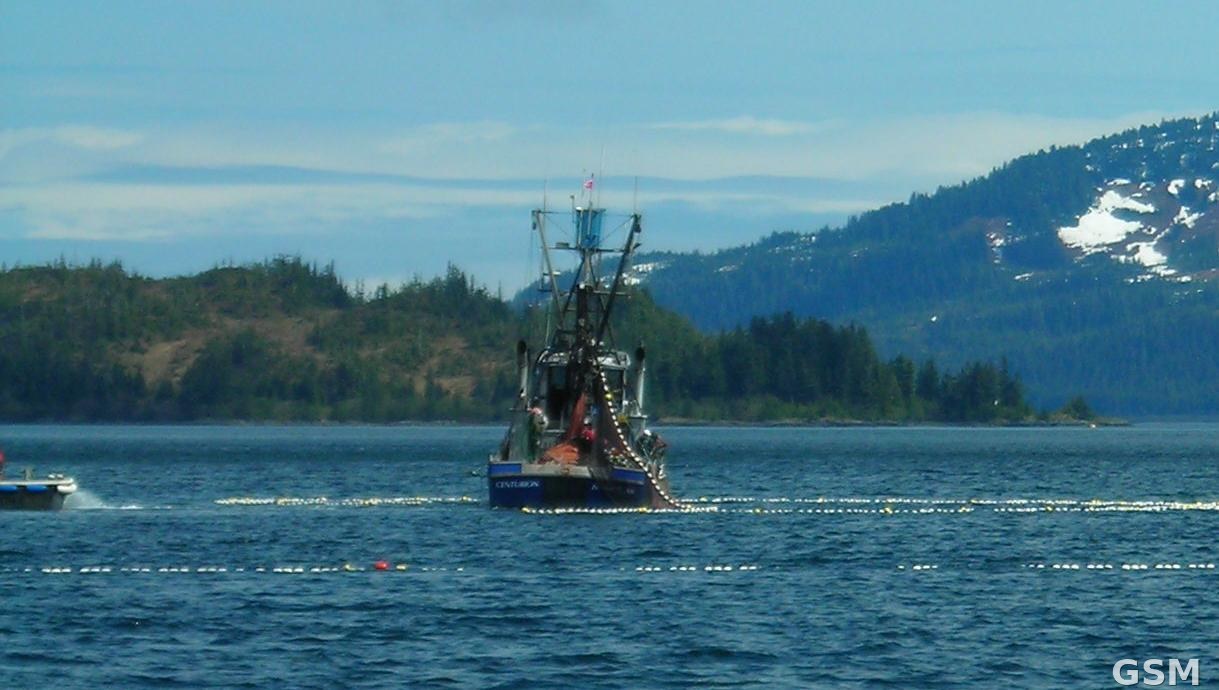
图片来源:图:阿拉斯加Prince William Sound一艘围网渔船正在捕捞鲑鱼(资料图,Cart5819摄,公共领域,经Wikimedia Commons),画面渔船非Shinkei公司渔船。/ A seiner fishing for salmon in Prince William Sound, Alaska (file photo by Cart5819, public domain, via Wikimedia Commons); the vessel pictured is not a Shinkei boat.
GSM Global · 本篇英文版 English edition of this story