服役半个多世纪的DSP导弹预警卫星星座退役:太空军转向下一代红外系统
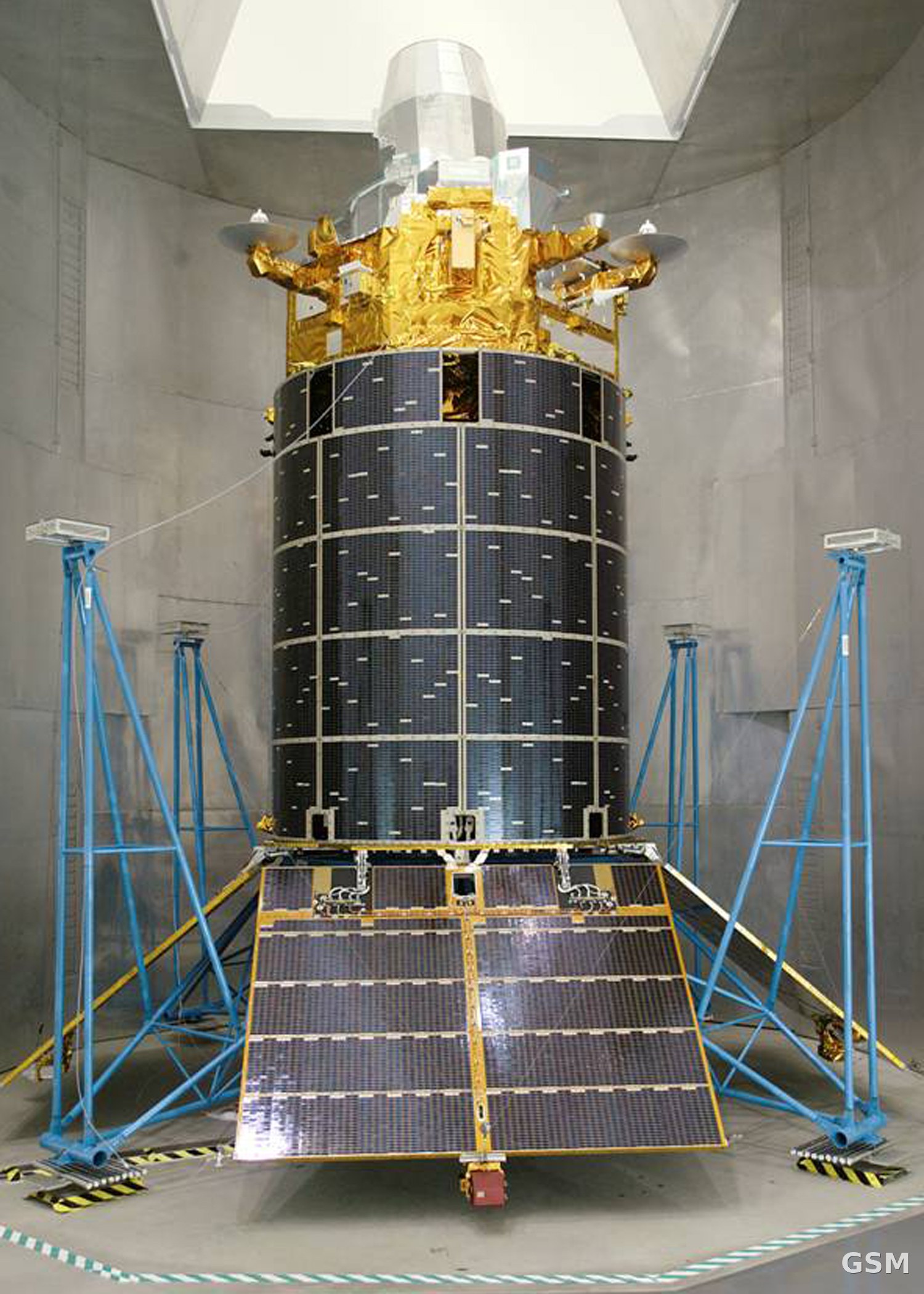
美国太空军战斗部队司令部近日发布消息说,国防支援计划(Defense Support Program,DSP)卫星星座在服役半个多世纪之后已经退役。这套星座1970年代初开始发射升空,最后一批卫星于今年10月退役。
今年9月,在美国太空司令部「阿波罗机动2026」实飞演习期间,太空军第二太空预警中队操作最后两颗 DSP 卫星,完成了动态在轨机动演示,为卫星随后进入超同步轨道退役处置做准备。DSP 卫星运行在地球同步轨道上,靠强大的红外传感器探测导弹发射的热信号,再通过遍布全球的地面站网络传回预警信息,是美国导弹预警与跟踪体系的天基支柱之一。
美国太空军第四任务三角队指挥官 Brandon Davenport 上校说:「DSP 星座是我国防御与导弹预警跟踪事业的基石。这最后两颗卫星,是半个多世纪天基早期预警的收官之作。它在冷战时期支撑了战略威慑,又从海湾战争起一路保护前线作战部队,直到上个月退役。」
太空军说,2011年开始发射的天基红外系统(SBIRS)星座长期与 DSP 并行运行,今后将继续担纲导弹预警,并逐步接入下一代高空持续红外地球同步系统(NGG)。第二太空预警中队已经开始为 NGG 的发射与早期在轨测试做训练准备,中队方面表示,退役老系统是为了给未来布局,机组在每一套系统上都要保证导弹威胁画面可靠、连贯、无缝衔接。(来源:美国太空军)
Space Force Retires DSP Missile-Warning Constellation After More Than Half a Century
The U.S. Space Force's Combat Forces Command has announced that the Defense Support Program (DSP) satellite constellation has been retired after more than half a century of service. The constellation, first launched in the early 1970s, flew its final satellites until their retirement last month.
During U.S. Space Command's Apollo Maneuvers 2026 live-fly exercise in September, guardians of the 2nd Space Warning Squadron demonstrated dynamic on-orbit maneuvers with the last two DSP satellites, ahead of the system's planned decommissioning into a supersynchronous orbit. From geosynchronous orbit, the satellites' powerful infrared sensors detected the heat signatures of missile launches and relayed warning through a global network of ground stations, forming a critical space-based platform for missile warning and tracking.
"The DSP constellation was foundational to the defense of our nation and the missile warning and tracking enterprise," said U.S. Space Force Col. Brandon Davenport, commander of Mission Delta 4. "These last two satellites were the culminating end to over a half century of space-based early warning. The DSP constellation ensured deterrence during the Cold War and protected our deployed warfighters from the Gulf War until their retirement last month."
The Space Force said the Space Based Infrared System (SBIRS) constellation, launched beginning in 2011, provided uninterrupted service alongside DSP and will continue as Mission Delta 4 prepares to integrate the Next-Generation Overhead Persistent Infrared Geosynchronous Earth Orbit (NGG) system. Teams of the 2nd Space Warning Squadron have begun training for the onboarding of NGG, and the squadron's commander, Lt. Col. Ann Hughes, said retiring the legacy system lets the unit posture for the future while keeping a reliable, seamless picture of missile threats. (Source: U.S. Space Force)
来源:美国太空军
发布:GSM·美国(发布链接)
图片来源:图:DSP-23导弹预警卫星。美国空军照片(公共领域),Wikimedia Commons。 / Photo: The DSP-23 missile-warning satellite. U.S. Air Force photo, public domain, via Wikimedia Commons.
GSM Global · 本篇英文版 English edition of this story