服役近22年的Swift天文卫星再入大气层:在北苏门答腊上空烧毁
美国国家航空航天局(NASA)的尼尔·盖瑞尔斯Swift天文台在服役近22年后,于11月4日美东时间上午7时39分在印度尼西亚北苏门答腊地区上空再入地球大气层,如流星般燃烧解体,这颗专为捕捉宇宙中最剧烈爆发而建的卫星就此结束使命。
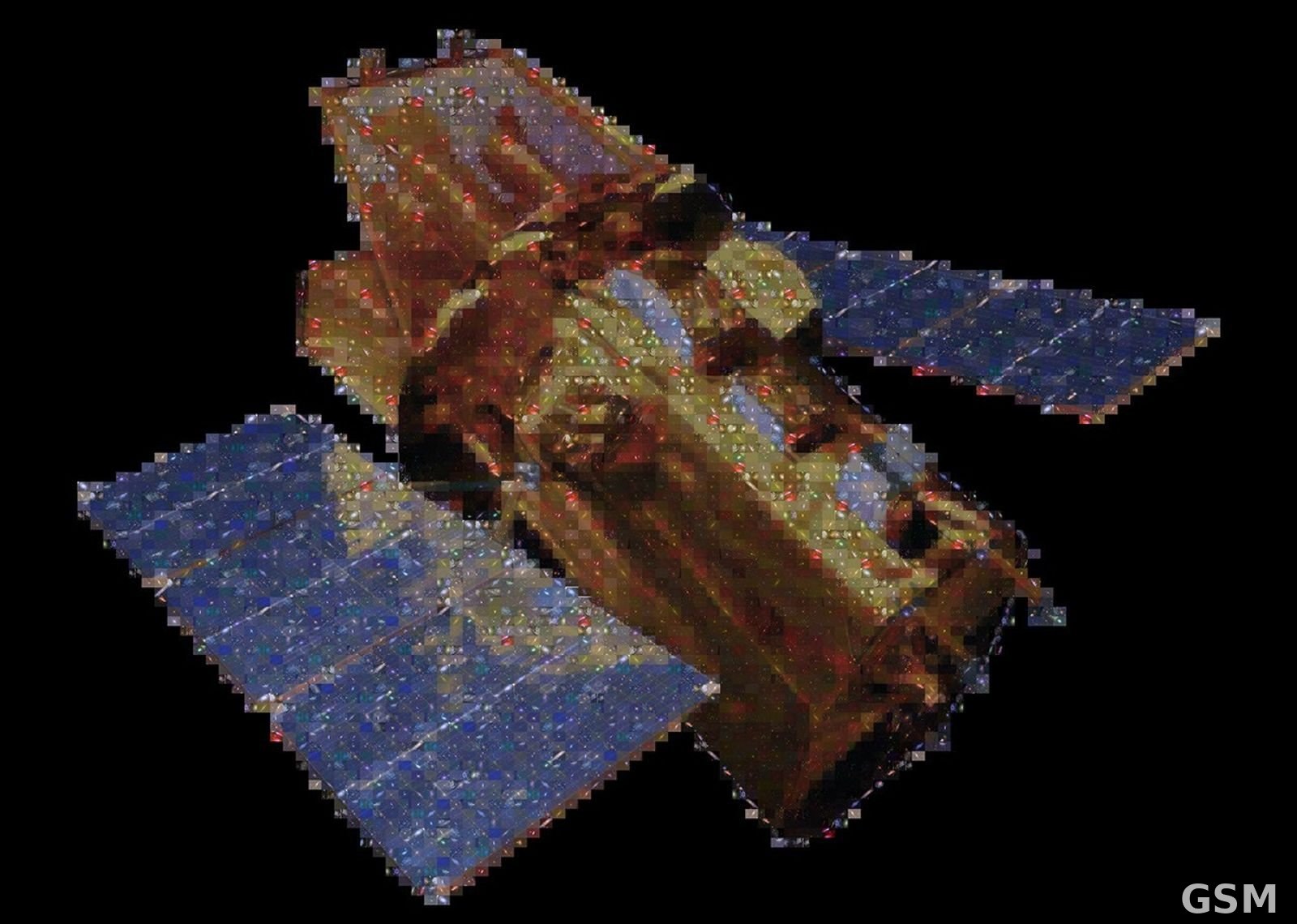
Swift同时载有X射线望远镜与伽马射线望远镜,能以空前的细节研究宇宙中速度最快、能量最高的爆发事件。NASA发布的纪念图像由该卫星紫外/光学望远镜拍摄的首批一百万张图像中的一部分拼合而成,成像于2018年。
NASA表示,近期太阳活动极大期加速了Swift轨道的衰减;一项试图为其提升轨道续命的创新救援任务未能成功。卫星虽已烧毁,但它在近22年里获取的大量观测数据,仍将在未来多年里帮助科学家揭示宇宙的奥秘。(来源:美国国家航空航天局)
NASA's Swift Observatory Re-enters After Nearly 22 Years, Burning Up Over North Sumatra
After nearly 22 years of service, NASA's Neil Gehrels Swift Observatory re-entered Earth's atmosphere on November 4 at 7:39 a.m. EST over the North Sumatra region of Indonesia, burning up on re-entry like a shooting star and ending a mission built to study the universe's most violent explosions.
Swift carried a combination of instruments, including an X-ray telescope and a gamma-ray telescope, that worked together to let humanity study, in unprecedented detail, the fastest and most energetic explosions in the universe. The farewell image released by NASA is a mosaic created in 2018 using some of the first million images captured by the satellite's Ultraviolet/Optical Telescope.
NASA says the most recent solar maximum accelerated the decay of the satellite's orbit, and an innovative mission to rescue Swift by boosting its orbit was not successful. Although the spacecraft has burned up, the impressive data it acquired over its mission will continue to shed light on the mysteries of the cosmos for years to come. (Source: NASA)
来源:美国国家航空航天局
发布:GSM·美国(发布链接)
图片来源:图片来源:Swift卫星拍摄的首批一百万张图像拼图(NASA/Swift and AndreaMosaic,NASA Science) / Image: Mosaic of the first million images from the Swift satellite, by NASA/Swift and AndreaMosaic, NASA Science (Public domain)
GSM Global · 本篇英文版 English edition of this story
- 2026-11-01 08:34Swift天文台预计11月6日前后再入大气层:22年探测逾2000次伽马暴,残骸料坠大洋
- 2026-11-07 02:45服役近22年的Swift天文卫星再入大气层:在北苏门答腊上空烧毁本篇