Swift天文台预计11月6日前后再入大气层:22年探测逾2000次伽马暴,残骸料坠大洋
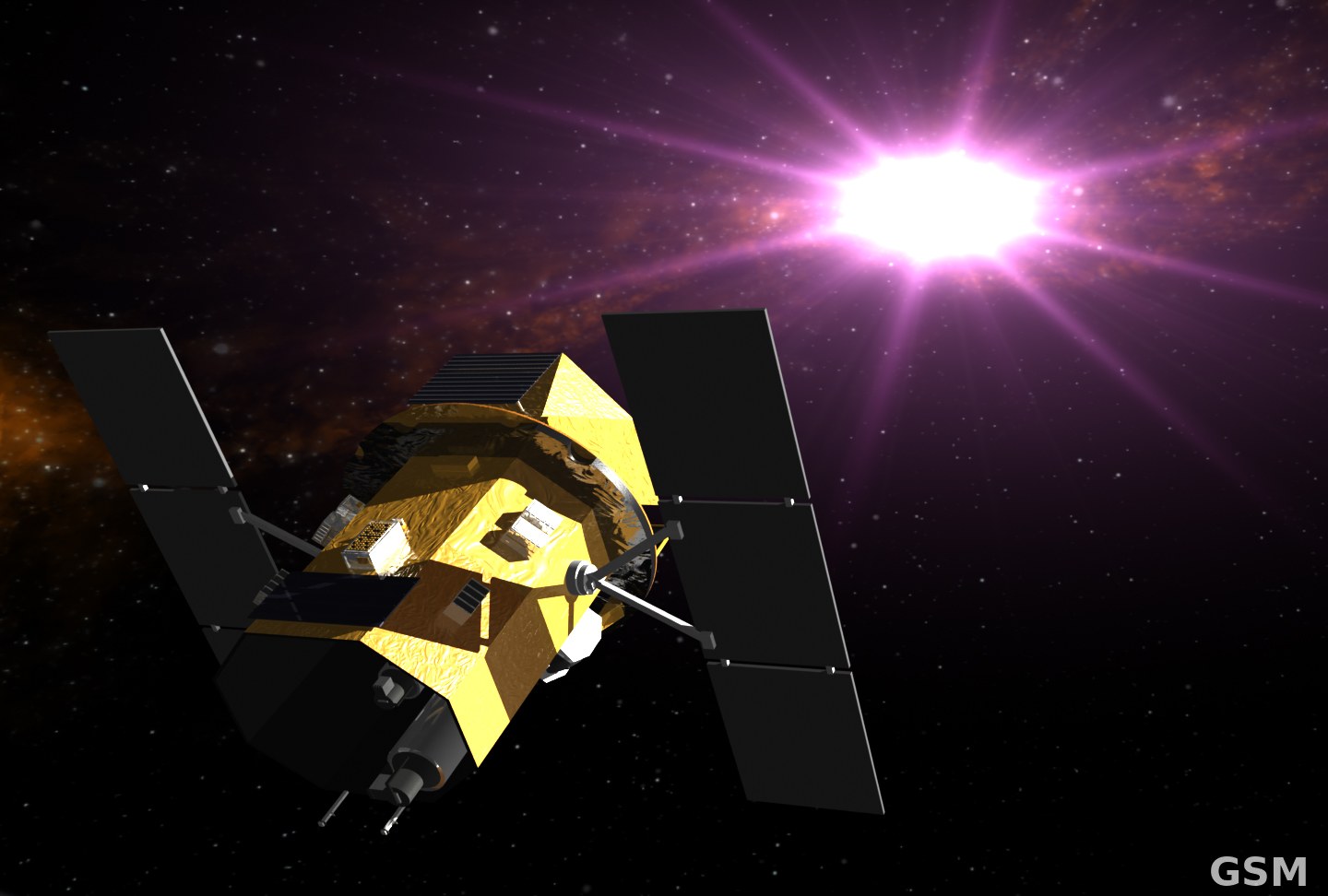
美国太空军预测,美国航天局NASA的Neil Gehrels Swift天文台将在11月6日(周五)前后坠入大气层烧毁,为其长达22年的在轨生涯画上句号。这台重约1.5吨的望远镜绝大部分结构将在再入过程中焚毁(GSM据公开报道整理)。
NASA任务首席科学家Brad Cenko表示,少数密度比铅还高的钨制部件和镜面部件可能穿过大气层存留下来;残骸最可能坠入大洋。再入走廊覆盖非洲、澳大利亚、印度、东南亚以及中美洲和南美洲的部分地区上空,美国太空军正持续追踪其不断下坠的轨迹。
Swift于2004年11月20日发射升空,原设计寿命只有2年。近年强烈的太阳活动使地球高层大气膨胀、阻力增大,Swift轨道加速下坠。NASA去年以3,000万美元合同委托总部位于亚利桑那州的Katalyst Space Technologies实施升轨救援:其机器人飞船Link今年7月发射后出现故障,始终未能接近到距Swift 12至15公里以内,救援宣告失败,Link已于今年9月再入大气层。
救援取消后,Swift一度恢复观测,又新探测到多批伽马射线暴等高能事件;到10月下旬,它已降至约275公里高度、无法稳定指向目标,系统随之关闭。NASA于10月23日宣布其科学任务结束,本站10月24日已作报道。
Swift的最终成绩单是:探测超过2,000次伽马射线暴、1,400颗爆炸的恒星,外加大量彗星、小行星和撕裂恒星的黑洞。它能快速转向爆发源,被誉为太空中的"第一响应者",长期为哈勃、韦布等望远镜提供后续观测的坐标。负责运行团队的宾夕法尼亚州立大学天文学家John Nousek说:"早在Swift发射之前,我们就知道这一天会到来。在低地球轨道,升上去的东西终究要落下来,而这个结局是灾难性的。"
关联:美国航天局Swift天文台结束运行:轨道降至171英里后进入安全模式
Swift Observatory Expected to Re-enter Around Nov. 6 After 22 Years and 2,000+ Gamma-Ray Bursts
The U.S. Space Force predicts that NASA's Neil Gehrels Swift Observatory will plunge through the atmosphere on or around Friday, Nov. 6, ending a 22-year career in orbit. Most of the roughly 1.5-ton telescope is expected to burn up during the uncontrolled re-entry.
NASA's Brad Cenko, the mission's chief scientist, says a handful of parts made of tungsten — denser than lead — and some mirror components could survive re-entry; any surviving wreckage will most likely plunge into the ocean. The re-entry zone spans parts of Africa, Australia, India, Southeast Asia, and Central and South America, and the Space Force is tracking the spacecraft's dwindling path.
Swift launched on Nov. 20, 2004, with a planned mission of just two years. Intense solar activity in recent years heated and expanded Earth's upper atmosphere, increasing drag and pulling Swift down faster. NASA awarded a $30 million contract to Arizona-based Katalyst Space Technologies to boost Swift's orbit: its robotic spacecraft Link launched in July but ran into trouble, never getting closer than about 12 to 15 kilometers (7 to 9 miles) from the telescope. The rescue was called off, and Link itself re-entered in September.
After the rescue attempt ended, Swift resumed observations and caught still more gamma-ray bursts and other high-energy events. By late October it had sunk to about 275 kilometers (171 miles), too low to hold its telescopes steady, and its systems were shut down. NASA announced the end of science operations on Oct. 23, as GSM reported on Oct. 24.
Swift's final tally: more than 2,000 gamma-ray bursts and 1,400 exploding stars, plus a slew of comets, asteroids and star-shredding black holes. Nicknamed astronomy's "first responder" for its ability to swivel rapidly toward erupting events, it fed targets to the Hubble and Webb telescopes for deeper study. "We've known this day would come since before Swift was launched. At least in low-Earth orbit, what goes up must come down. And that end is catastrophic," said Pennsylvania State University astronomer John Nousek, who led the control team.
Related: NASA's Swift Observatory ends operations after sinking to 171 miles
来源:GSM·美国(原文链接)
图片来源:图片来源:Wikimedia Commons(美国航天局NASA公有领域图片,Swift天文台概念图) / Image: NASA via Wikimedia Commons (public domain)
GSM Global · 本篇英文版 English edition of this story
- 2026-10-24 03:03美国航天局Swift天文台结束运行:轨道降至171英里后进入安全模式,数周内再入大气层
- 2026-11-01 08:34Swift天文台预计11月6日前后再入大气层:22年探测逾2000次伽马暴,残骸料坠大洋本篇