【视频】跟进:NASA公布月球基地成套授约 八家公司入选上限100亿美元的CLPS 2 核动力月球车PROMISE定2028年发射
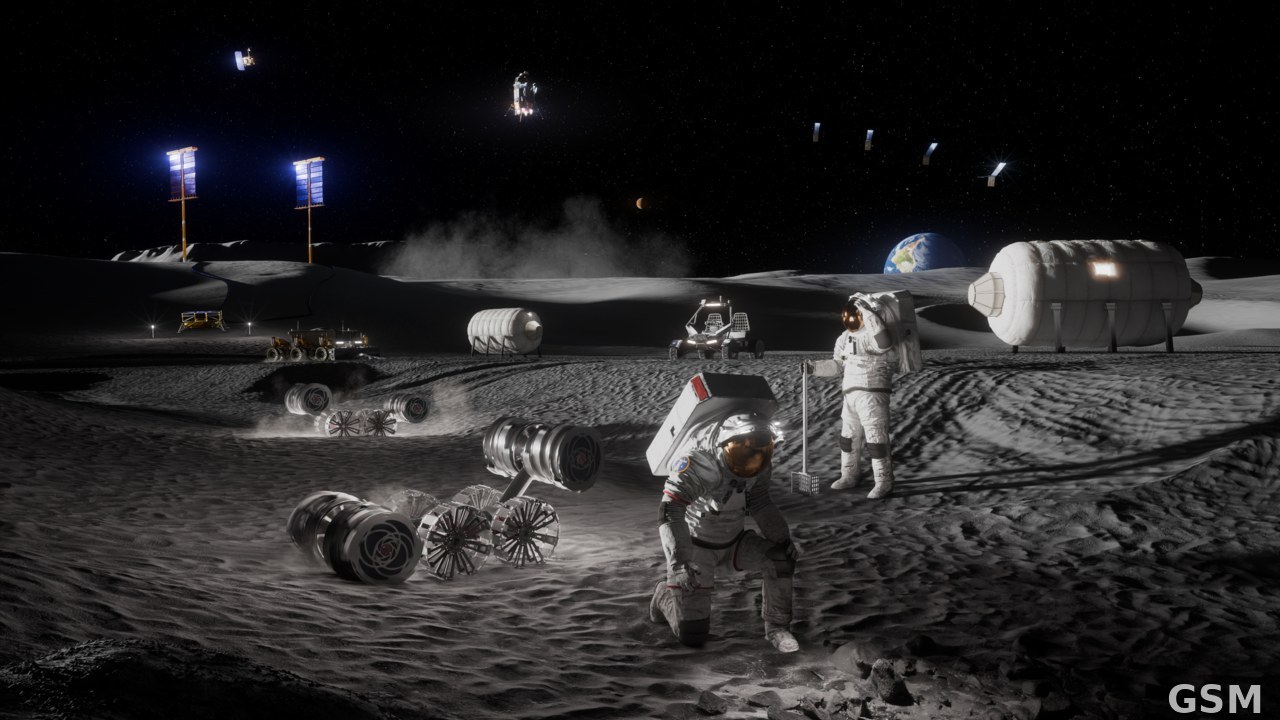
美国国家航空航天局(NASA)11月7日在 Florida 的 Kennedy Space Center 举行的 MAX POWER 航空航天博览会期间宣布一整套授约与任务更新,扩大月球基地的探测、科学与基础设施能力:商业机器人月面送货、核动力月球车 PROMISE、发射与轨道转移服务以及月面基础设施,目标是与美国工业界合作,在月球南极建立持续驻留点。
NASA 局长 Jared Isaacman 说:「我们正一项任务接一项任务地建设月球基地。今天的宣布几乎扩展了这场行动的每一个部分,用的正是 NASA 在其最辉煌年代走过的打法:多飞、学习、运用经验,让每一次任务都更好、更强。当我们的宇航员重返月球时,月球基地的第一批设施将已经在月面等着他们。」月球基地项目经理 Carlos García-Galán 说,自 Ignition 计划启动八个月以来,NASA 已把众多项目整合为一个精简的计划,并「采取了行动,发出新合同、缔结新伙伴关系,以加速推进」。
在货物着陆器方面,NASA 为商业月球有效载荷服务计划(CLPS)的下一阶段 CLPS 2 选定八家公司:Blue Origin、Firefly Aerospace、Intuitive Machines、iSpace US、Lockheed Martin Space、Northrop Grumman Space Systems、SpaceX 与 Voyager Technologies。入选公司将有资格竞标未来的月面送货任务,负责管理、建造和运营把 NASA 的科学、技术与基础设施载荷送上月球的着陆器。CLPS 2 是十年期、多次授约、不定量不定期的主合同,合同总上限为 100 亿美元。NASA 同时把现行 CLPS 1.0 合同的上限从 26 亿美元提高到 42 亿美元,以支持月球基地第一期的初期目标;原合同将维持到 2028 年 11 月,另有五年时间完成已授约的月面送货,延续至 2033 年 11 月。
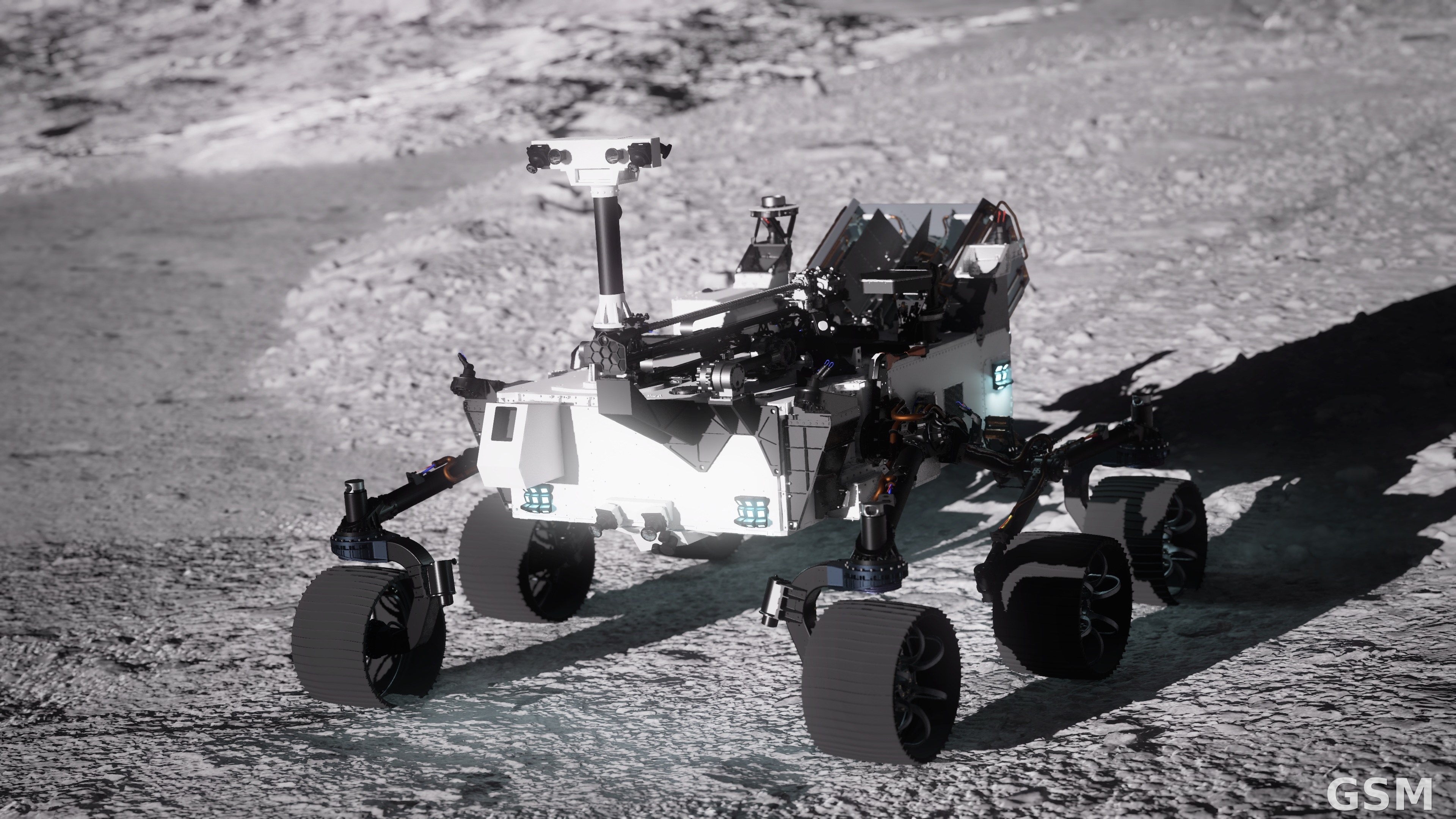
核动力月球车 PROMISE(极地观测、测绘与原位探测车)正式确定推进开发。这辆六轮月球车将登陆月球南极,考察月面与地下环境、评估资源潜力,并为选定着陆点和后续基础设施与探测活动提供数据。核动力使它能在漫长的月夜和可能藏有水冰的永久阴影区内工作,这对人类在月球持续驻留至关重要。位于南 California 的 NASA 喷气推进实验室(JPL)将负责该任务,用好奇号与毅力号火星车的备用飞行部件和工程测试模型建造这辆车,以成熟的硬件、软件和火星车操作经验降低成本、缩短整合测试周期。
PROMISE 将携带钻机,钻取月面以下约 3 英尺(1 米)深处的月壤以分析水冰等资源;还载有分析表面物质化学成分的光谱仪、温度与辐射传感器和可见光相机,并将演示 NASA 的下一代抗辐射计算系统。NASA 计划 2028 年年底发射 PROMISE,主任务为期 18 个月。为把 PROMISE 送到月球南极,NASA 向 Blue Origin 授予 9,400 万美元的基础合同,另有根据履约情况最高 1.4 亿美元的期权;Blue Origin 将用其 Mark 1 着陆器运送并部署这辆月球车,作为月球基地第一期的一部分。这项授约扩展了 2026 年 5 月授出的把两辆月地形车送上月球的任务订单。
在发射与运输方面,NASA 在其风险级专用与拼车发射服务(VADR)合同下授出六项任务订单,合计约 13 亿美元,由 Arrow Science and Technology、Blue Origin 与 Impulse Space 负责整合与运输月球基地货物。任务分三类:第一类把 CAPSTONE 02 航天器送往深空,验证从地球轨道到月球的通信与导航方法,并测试轨道转移飞行器把 CLPS 着陆器送到目标轨道的能力;第二类把 NASA 的 MoonFall 无人机等高机动探测器送往月球南极,在宇航员抵达前勘测月面;第三类在地月空间的多个轨道测试导航技术、演示商业轨道转移能力,以提高未来着陆器可送达月面的货物量。VADR 是十年期合同,总上限为 50 亿美元;部分任务将使用 Blue Origin 的 New Glenn、Relativity Space 的 Terran R 与 SpaceX 的 Falcon 9 火箭,在轨运输航天器由 Blue Origin、Firefly Aerospace、Impulse Space 与 Quantum Space 提供。
NASA 还选定 SpaceX 执行地月通信部署演示:在现有月球后勤合同的一项专项送货任务订单下,SpaceX 将于 2028 年用 Starship 把通信卫星送入地月空间,为未来连接宇航员、任务控制中心与月球基地的月球通信网络提供依据。
在月面基础设施方面,NASA 将为小型通信与太阳能塔(miniCAST)采购商业部件,包括太阳能阵列、电池与无线输电硬件:已授约 Honeybee Robotics 负责储能、Redwire 负责发电、Yank Technologies 负责无线输电。部件将由位于 Alabama 的 NASA 马歇尔太空飞行中心组装测试后再送往月面,相关工作将在数月内启动;NASA 还计划在 2027 年年初另行征集完整的集成电力系统。NASA 另拟在其 NextSTEP-3 B 征集下发出定向征召,补上月球基地开发中由架构驱动的高优先级数据缺口。
NASA 表示,随着 Artemis 宇航员执行难度递增的任务前往月球南极,NASA 将在月球表面建立持久的人类驻留,并以此为基础迈向首次载人火星任务。(来源:美国国家航空航天局)
[Video] Follow-Up: NASA Announces Moon Base Award Suite: Eight Companies Selected Under $10 Billion CLPS 2, Nuclear-Powered PROMISE Rover Set for Late 2028 Launch
The National Aeronautics and Space Administration (NASA) on Saturday announced a suite of awards and mission updates at the MAX POWER aerospace expo at its Kennedy Space Center in Florida to expand the Moon Base's exploration, science, and infrastructure capabilities. The investments will advance commercial robotic deliveries, a nuclear-powered rover named PROMISE, launch and orbital transfer services, and surface infrastructure as the agency works with American industry to establish a sustained presence at the Moon's South Pole.
"We are building the Moon Base mission by mission," said NASA Administrator Jared Isaacman. "Today's announcements expand nearly every part of that campaign, using the playbook that carried NASA through its greatest eras: fly often, learn, apply those lessons, and get more better and more capable with every mission. When our astronauts return to the Moon, they will arrive with the first elements of the Moon Base already waiting for them on the surface." Carlos García-Galán, manager of the Moon Base Program, said that in the eight months since Ignition, NASA has consolidated numerous efforts into a streamlined program and has "taken action, awarding new contracts and forging new partnerships to accelerate development."
To strengthen the cargo lander network, NASA selected eight companies for the next phase of its Commercial Lunar Payload Services (CLPS) initiative, eligible to compete for future lunar surface delivery missions under the new CLPS 2 contract: Blue Origin, Firefly Aerospace, Intuitive Machines, iSpace US, Lockheed Martin Space, Northrop Grumman Space Systems, SpaceX, and Voyager Technologies. The CLPS 2 framework is a 10-year, multiple-award, indefinite-delivery/indefinite-quantity master contract with a combined maximum value of $10 billion. NASA increased the value of the current CLPS 1.0 contract from $2.6 billion to $4.2 billion to support initial Phase One Moon Base objectives; the original contract will remain in place through November 2028, with an additional five-year period to complete awarded lunar deliveries through November 2033.
NASA also announced it is moving forward with development of PROMISE (Polar Rover for Observation, Mapping, and In-Situ Exploration). The six-wheeled rover will land at the Moon's South Pole to characterize the surface and subsurface, assess resource potential, and provide data to enable landing site selection and future infrastructure and exploration activities. The nuclear-powered rover can operate during long lunar nights and within permanently shadowed regions thought to harbor ice, which is crucial for a sustained human presence on the Moon. NASA's Jet Propulsion Laboratory in Southern California will manage the mission and build the rover from a combination of spare flight components and engineering test models for the Curiosity and Perseverance Mars rovers, significantly reducing cost and shortening integration and testing.
The PROMISE rover will carry a drill to extract regolith from approximately 3 feet (1 meter) below the surface to characterize ice and other resources, spectrometers for analyzing the chemical composition of surface material, temperature and radiation sensors, and visible-light cameras, and will demonstrate NASA's next-generation, radiation-tolerant High Performance Spaceflight Computing system. NASA is targeting late 2028 to launch PROMISE and is planning an 18-month mission. NASA awarded Blue Origin a $94 million base contract, with an option period worth an additional $140 million based on performance, to deliver PROMISE to the lunar South Pole using its Mark 1 lander, expanding a task order awarded in May 2026 to deliver two lunar terrain vehicles to the Moon.
To demonstrate Earth-to-Moon transportation capabilities, NASA awarded six task orders under its Venture-Class Acquisition of Dedicated and Rideshare (VADR) launch services contract, worth approximately $1.3 billion combined, to Arrow Science and Technology, Blue Origin, and Impulse Space. The first mission type will deliver the CAPSTONE 02 spacecraft to deep space to verify communication and navigation methods and orbital transfer vehicle capability; the second will send highly mobile drones, including NASA's MoonFall drones, to survey the lunar South Pole before astronauts arrive; the third will test navigation technologies and demonstrate commercial orbital transfer capabilities in multiple cislunar orbits. The task orders fall under the 10-year VADR contract, which has a maximum total value of $5 billion. Some missions will launch aboard Blue Origin's New Glenn, Relativity Space's Terran R, and SpaceX's Falcon 9 rockets, with in-space transportation spacecraft provided by Blue Origin, Firefly Aerospace, Impulse Space, and Quantum Space.
Complementing those demonstrations, NASA selected SpaceX for the Cislunar Communications Deployment Demonstration: under a Specialized Delivery Mission task order of an existing lunar logistics contract, SpaceX will launch communications satellites aboard a Starship to cislunar space in 2028, informing future lunar communications networks connecting astronauts, mission controllers, and the Moon Base.
To extend surface infrastructure, NASA plans to purchase commercial components for a Mini-Communications and Solar Tower (miniCAST), awarding Honeybee Robotics for energy storage, Redwire for power generation, and Yank Technologies for wireless power transfer. Engineers at NASA's Marshall Space Flight Center in Huntsville, Alabama, will assemble and test the systems before delivery to the lunar surface, with work expected to begin within months; NASA also plans a separate solicitation for fully integrated power systems in early 2027, and intends to release a directed call under its NextSTEP-3 B solicitation to close high-priority data gaps for Moon Base development.
NASA said it will send Artemis astronauts on increasingly difficult missions to the lunar South Pole, establish an enduring human presence on the lunar surface, and build on that foundation for the first crewed mission to Mars. (Source: NASA)
来源:美国国家航空航天局
发布:GSM·美国(发布链接)
图片来源:图:NASA核动力月球车PROMISE在月球表面的效果图。美国国家航空航天局 NASA 官方发布,公共领域。 / Photo: Artist's rendering of NASA's nuclear-powered PROMISE lunar rover on the lunar surface. Official NASA image, public domain.
GSM Global · 本篇英文版 English edition of this story
- 2026-09-09 11:18【视频】NASA公布月球基地计划半年进展
- 2026-10-20 10:56【视频】跟进:NASA公布月球基地10月进展:VIPER探测车2027年赴月球南极 两款载人月球车2027年底交付
- 2026-10-30 13:0111月7日下午5时公布月球基地最新进展:航天局NASA发布MAX POWER博览会关键日程,11月6日至8日在Kennedy航天中心举行
- 2026-11-07 10:55【视频】NASA开启新一届宇航员招募 入选者有望踏上月球、驻留月球基地
- 2026-11-07 14:52【视频】跟进:NASA在Kennedy航天中心举行月球基地11月进展记者会 局长Isaacman率项目团队出席
- 2026-11-07 15:25【视频】跟进:NASA公布月球基地成套授约 八家公司入选上限100亿美元的CLPS 2 核动力月球车PROMISE定2028年发射本篇