近700件博物馆标本还原绿头鸭隐秘史:养殖场血统自1940年代起改写东部野生种群基因
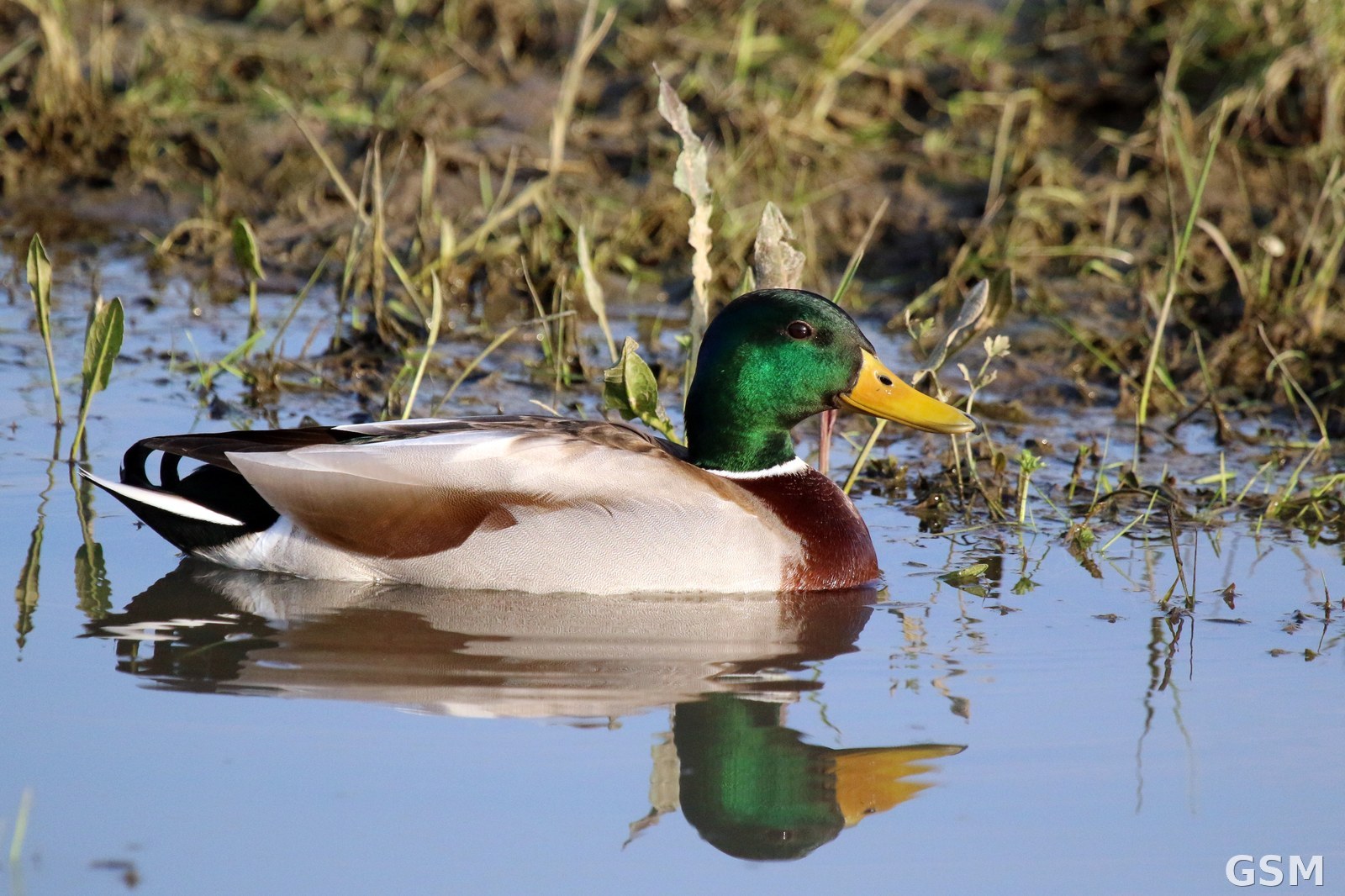
华盛顿——史密森尼学会(Smithsonian Institution)旗下《史密森尼杂志》11月5日报道,史密森尼学会与得克萨斯大学埃尔帕索分校(University of Texas at El Paso,UTEP)的研究团队从博物馆收藏的绿头鸭标本中提取 DNA,重建了这种北美最常见水鸟一百多年来的基因变化史:一个多世纪以来,人工养殖的绿头鸭被放归野外以补充猎禽种群,它们与野生绿头鸭杂交后留下的基因痕迹,至今仍留在野生种群体内。
这项研究今年8月发表于《当代生物学》(Current Biology),由国家科学基金会(National Science Foundation,NSF)资助。团队检视了近700件绿头鸭标本——来自国家自然历史博物馆(National Museum of Natural History)等26家北美自然历史博物馆,采集年份从1818年到2018年。研究人员从标本脚趾垫的干皮组织中提取古 DNA,由论文第一作者、UTEP 生物科学博士生 Lauren McFarland 在史密森尼保护基因组学中心完成拼接;她把所用的分子探针比作「鱼钩」,把目标基因片段从碎片中钓出来测序。
研究发现,养殖场血统在1910至1920年代开始出现在野生绿头鸭体内,与人工放归的历史记录吻合,但扩散并不均匀:在东部的 Atlantic Flyway 迁徙通道,养殖场血统自1940年代起急剧上升,1980年代以来约占当地绿头鸭平均基因血统的20%;中部的 Central Flyway 与西部的 Pacific Flyway 种群则基本保持野生。McFarland 说,这种变化不是匀速上升的,而是「一阵一阵地到来」。研究还发现,养殖场绿头鸭的基因多样性较低,与野生种群杂交后,后代的基因多样性下降、近交程度上升。
史密森尼进化遗传学家 Robert Fleischer 说,历史标本让科学家得以考察否则无法重建的变化:「我喜欢把博物馆看作时光机。」该馆鸟类馆长、研究动物学家 Helen James 负责照管超过60万件鸟类标本;她说,当年的收藏者只是在记录鸟类的分布与差异,「他们没想到我们能从这些标本里提取基因数据,但随着分子测序技术的进步,它们已经成了一个巨大的生物样本库」。
研究人员指出,即便是绿头鸭这样分布极广的物种,也无法免于人类活动带来的基因改变。随着放归减少,养殖场血统是否会长期留存、其带来的家养性状会如何影响野外生存,仍是待解的问题。(来源:史密森尼学会)
Nearly 700 Museum Specimens Rewrite the Mallard's Hidden History: Game-Farm Ancestry Has Reshaped Eastern Wild Populations Since the 1940s
Washington — Smithsonian Magazine, published by the Smithsonian Institution, reported on November 5 that researchers from the Smithsonian and the University of Texas at El Paso (UTEP) have reconstructed more than a century of genetic change in the mallard, North America's most familiar waterfowl, using DNA recovered from museum specimens. For over a century, captive-bred mallards have been released into wetlands, often to supplement populations for hunting, and their interbreeding with wild birds has left a genetic legacy that persists decades later.
The research, published this past August in the journal Current Biology and supported by the National Science Foundation (NSF), examined nearly 700 historical mallard specimens from the National Museum of Natural History and 25 other North American natural history museums, collected across the continent between 1818 and 2018. The team recovered DNA from small tissue samples, many from the dried skin of the specimens' toe pads. Lead author Lauren McFarland, a doctoral candidate in biological sciences at UTEP, pieced together the fragmented historical DNA at the Smithsonian's Center for Conservation Genomics, using molecular probes she described as "essentially like fishing hooks" that bind to matching DNA and pull those regions out for sequencing.
The researchers found that game-farm ancestry began appearing in wild mallards during the 1910s and 1920s, coinciding with historical records of captive-bred releases, but did not spread evenly. In the Atlantic Flyway, a major migratory corridor along eastern North America, game-farm ancestry increased sharply beginning in the 1940s and has accounted for approximately 20 percent of the average mallard's genetic ancestry in the region since the 1980s, while populations in the Central and Pacific Flyways have remained largely wild. "It didn't creep up steadily, it arrived in bursts," McFarland said. The analysis also found that captive-bred mallards generally exhibited lower genetic variation, and interbreeding was associated with reduced genetic diversity and increased inbreeding among hybrids.
Robert Fleischer, a Smithsonian evolutionary geneticist who collaborated on the research, said the historical specimens allowed scientists to examine changes that would otherwise be impossible to reconstruct: "I like to think of museums as time machines." Helen James, an ornithologist and the museum's curator of birds, who oversees a collection of more than 600,000 bird specimens, said the naturalists who preserved the birds were documenting where they lived and how they varied: "They weren't expecting that we were going to be getting genomic data from them, but they've become a vast biorepository because of the advances in molecular sequencing lab techniques."
The findings raise questions about the future of wild mallards, including whether game-farm ancestry will persist as releases decline and how inherited domestic traits might influence survival — and demonstrate that even a species as widespread as the mallard is not immune to human-driven genetic change. (Source: Smithsonian Institution)
来源:史密森尼学会
发布:GSM·美国(发布链接)
图片来源:图:一只雄性绿头鸭在水面游弋。Charles J. Sharp 摄,CC BY-SA 3.0,经 Wikimedia Commons。 / Photo: A mallard drake swimming. By Charles J. Sharp, CC BY-SA 3.0, via Wikimedia Commons.
GSM Global · 本篇英文版 English edition of this story