美联储调查:企业贷款需求转弱,住房贷款需求全面下滑
华盛顿——美国联邦储备委员会(Federal Reserve)11月2日发布2026年10月高级贷款官员意见调查(Senior Loan Officer Opinion Survey,SLOOS),汇总银行对2026年第三季度企业与家庭贷款标准、条件与需求的反馈。共有61家美国国内银行与18家外国银行在美分支机构答复了本次调查,问卷于9月21日发出、10月5日截止回收。
企业贷款方面,银行对大型与中型企业的工商业贷款标准总体基本不变,对小企业的工商业贷款标准则有所收紧;对各类企业工商业贷款的需求净额转弱。银行给出的需求转弱主要原因是客户对厂房与设备的投资减少,以及客户转向条件更具吸引力的银行或非银行融资来源。银行收紧标准最常提到的原因是经济前景较不利或更不确定,以及特定行业的问题恶化。
商业地产贷款方面,银行对建筑与土地开发贷款、非农非住宅地产贷款与多户住宅贷款三大类的标准净额全部收紧,三大类的贷款需求也全部转弱。
住房贷款方面,银行对大多数住房抵押贷款类别的标准基本不变,对合格抵押贷款(QM)巨额贷款与非QM巨额贷款的标准有所放松,对次级抵押贷款的标准则收紧;住房净值信贷额度(HELOC)的标准基本不变。与此同时,银行报告各类住房贷款的需求全面转弱,住房净值信贷额度的需求基本不变。
消费贷款方面,信用卡贷款、汽车贷款与其他消费贷款的标准与多数条件基本不变,但银行收紧了信用卡账户的信用额度,提高了汽车贷款的最低信用评分要求,并减少了对未达到信用评分门槛的借款人发放信用卡与其他消费贷款。需求方面,信用卡贷款需求增强,汽车贷款需求转弱,其他消费贷款需求基本不变。本次调查的专项问题还显示,过去一年银行更倾向于批准超级优质与优质借款人的信用卡申请、较少批准次级借款人的申请,小型银行是次级申请收紧的主要来源;信用卡需求增强最常被提到的原因是客户因商品与服务价格变化而调整了支出需求。
对非存款类金融机构的贷款方面,银行对抵押信贷中介、商业信贷中介、私募股权基金、消费信贷中介等各类非存款机构贷款的标准净额全部收紧,最常提到的原因是经济前景较不利或更不确定,以及这类借款人财务实力恶化。
据路透社报道,这是该调查一年多来首次显示企业贷款需求转弱;这份调查也是美联储决策者在10月27日至28日议息会议上掌握的材料之一,美联储在该次会议上决定维持短期利率不变。
(来源:美国联邦储备委员会)
Fed Survey: Business Loan Demand Weakens, Mortgage Demand Falls Across All Categories
Washington — The Federal Reserve Board on November 2 released its October 2026 Senior Loan Officer Opinion Survey on Bank Lending Practices (SLOOS), summarizing banks' reports on lending standards, terms and demand for business and household loans over the third quarter of 2026. Responses were received from 61 domestic banks and 18 U.S. branches and agencies of foreign banks; respondent banks received the survey on September 21, 2026, and responses were due by October 5, 2026.
For business lending, banks reported that standards for commercial and industrial (C&I) loans to large and middle-market firms were basically unchanged, while standards tightened for C&I loans to small firms. Banks reported weaker demand, on net, for C&I loans from firms of all sizes, citing decreasing customer investment in plant or equipment and customer borrowing shifting to more attractive bank or nonbank funding sources. The most frequently cited reasons for tighter standards were a less favorable or more uncertain economic outlook and a worsening of industry-specific problems.
For commercial real estate (CRE) loans, banks reported having tightened, on net, lending standards for all CRE categories — construction and land development, nonfarm nonresidential properties and multifamily properties — and weaker demand for all CRE categories.
For residential real estate lending, banks left standards basically unchanged for most types of mortgage loans, eased standards for qualified mortgage (QM) jumbo and non-QM jumbo mortgages, and tightened standards for subprime mortgages; standards for home equity lines of credit (HELOCs) were also basically unchanged. Banks reported weaker demand across all residential real estate loan categories and unchanged demand for HELOCs.
For consumer lending, standards and most terms were basically unchanged for credit card, auto and other consumer loans, but banks tightened credit limits on credit card accounts, raised the minimum required credit score for auto loans, and tightened the extent to which loans are granted to borrowers not meeting credit scoring thresholds for credit card and other consumer loans. Demand for credit card loans was stronger, demand for auto loans was weaker, and demand for other consumer loans was basically unchanged. In special questions on the past year, banks reported being more likely to approve credit card applications from super-prime and prime borrowers and less likely to approve applications from subprime borrowers, with small banks driving the trend for subprime borrowers; the most frequently cited reason for stronger credit card demand was changes in customers' spending needs in response to price changes for goods and services.
For loans to nondepository financial institutions (NDFIs), banks reported, on net, having tightened standards for all queried types — including loans to mortgage credit intermediaries, business credit intermediaries, private equity funds and consumer credit intermediaries — citing a less favorable or more uncertain economic outlook and a deterioration in the financial strength of NDFI borrowers.
According to Reuters, the survey showed business demand for bank loans weakening for the first time in more than a year, and the report was among the data Federal Reserve policymakers had in hand when they decided to keep short-term borrowing costs unchanged at their October 27-28 meeting.
(Source: Federal Reserve Board)
来源:美国联邦储备委员会
发布:GSM·美国(发布链接)
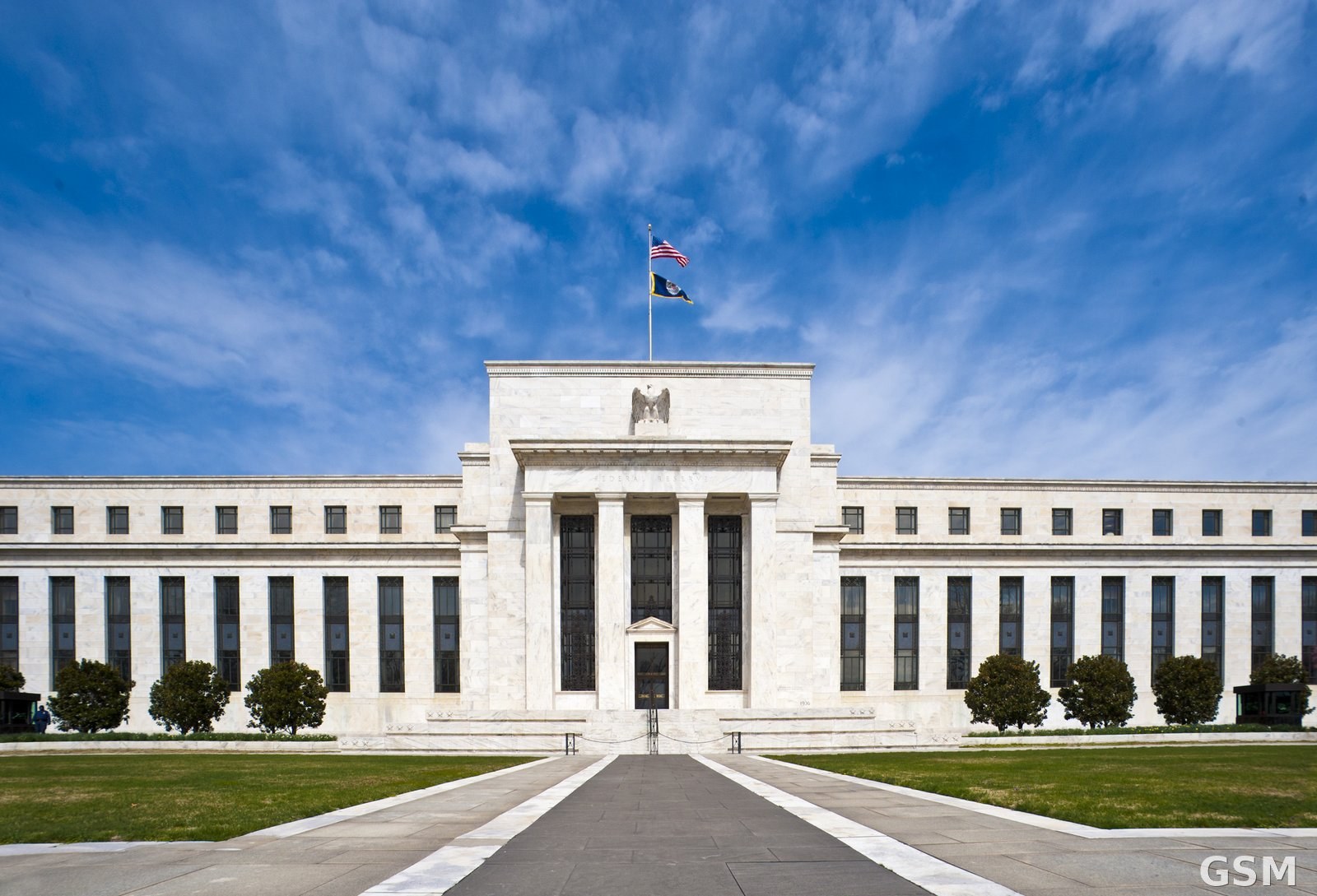
图片来源:图:美联储总部埃克尔斯大楼(Eccles Building),华盛顿。照片:美联储,公共领域,经 Wikimedia Commons。 / Photo: The Eccles Building, headquarters of the Federal Reserve, Washington. Photo by the Federal Reserve, public domain, via Wikimedia Commons.
GSM Global · 本篇英文版 English edition of this story