东卡罗来纳大学获22.4万美元联邦资助:研究鼠疫菌在肺中存活的蛋白「开关」
位于美国北卡罗来纳州皮特县格林维尔市(Greenville, Pitt County, North Carolina)的东卡罗来纳大学(ECU)10月30日宣布,该校布罗迪医学院微生物学与免疫学副教授罗杰·佩查斯(Roger Pechous)获得美国国家过敏与传染病研究所(NIAID)223,957美元直接费用资助,研究鼠疫菌如何在肺中存活。
项目期为2026年9月2日至2028年8月31日,是佩查斯今年获得的第二笔该研究所资助。
研究核心是一种名为BipA的细菌蛋白。佩查斯与同事2021年在《感染与免疫》(Infection and Immunity)发表的研究首次把BipA与肺鼠疫联系起来:当鼠疫耶尔森菌(Yersinia pestis)在肺中遇到压力条件时,BipA像一台「开关」,指挥细菌产生哪些蛋白以求存活。
佩查斯表示,他想找出这些蛋白是什么、它们如何帮助细菌抵御免疫系统;通过研究「开关」关闭时会发生什么,团队希望找到未来治疗可以攻击的弱点。这项工作锁定的蛋白可能成为治疗干预的靶点。
肺鼠疫由吸入含菌呼吸道飞沫引发。其危险部分在于细菌能有效干扰人体最初的防御,在免疫系统作出强有力反应之前让感染推进;当免疫系统识别感染并向肺部派出大量细胞时,反应本身又可能损伤肺组织、影响呼吸。
这笔新资助与他此前226,500美元的另一笔资助方向不同:后者研究细菌与哺乳动物宿主之间对锌的争夺如何影响疾病;两个项目从不同方向回答同一个大问题——细菌凭什么能在人体内存活。
资助还将为ECU提供研究培训机会:一名教师与两名博士生将参与项目,学习动物感染模型以及研究DNA、RNA与蛋白的技术;经费用于人员薪酬、学生津贴与实验室用品。
佩查斯说,鼠疫虽常与14世纪的黑死病联系在一起,但研究这种细菌的意义不止于历史:其他致病菌也使用部分相同策略存活并逃避免疫防御,理解鼠疫菌的策略有助于研究人员更好地理解其他感染。
East Carolina University Wins $223,957 Federal Award to Study the Protein Switch That Helps Plague Bacteria Survive in the Lungs
East Carolina University (ECU) in Greenville, Pitt County, North Carolina, announced on October 30 that Roger Pechous, associate professor of microbiology and immunology in the Brody School of Medicine, has received an award from the National Institute of Allergy and Infectious Diseases providing $223,957 in direct costs to investigate how the protein BipA helps Yersinia pestis, the bacterium that causes plague, survive in the lungs.
The project runs from September 2, 2026 through August 31, 2028, and marks his second award from the institute this year.
The work centers on the bacterial protein BipA, which Pechous first linked to pneumonic plague in a 2021 paper in Infection and Immunity. "The protein I am working with is like a switch for the bacteria," Pechous said: when the bacteria encounter stressful conditions in the lungs, BipA helps direct which proteins they produce to survive. He wants to identify those proteins and determine how they help the bacteria withstand the immune system.
By studying what happens when the switch is turned off, his team hopes to identify weaknesses that future treatments could target. "This work identifies a protein that could be a target for therapeutic intervention," Pechous said.
Pneumonic plague affects the lungs and can develop after a person inhales respiratory droplets containing the bacteria. Its danger comes partly from how effectively the bacteria interfere with the body's initial defenses, allowing an infection to advance before the immune system mounts a strong response; when the immune system does respond, it sends large numbers of cells into the lungs, and that response can damage lung tissue and impair breathing.
The focus differs from Pechous' earlier $226,500 award from the institute, which examined how competition for zinc between the bacteria and their mammalian host affects disease. Together, the projects approach a larger question from different directions, asking what allows the bacteria to survive inside the body.
The funding also creates research training opportunities at ECU: a faculty member and two doctoral students will assist with the project, gaining experience with animal infection models and techniques for studying DNA, RNA and proteins. The award supports salaries, student stipends and laboratory supplies.
Although plague is often associated with the Black Death, a 14th-century epidemic, Pechous said studying the bacterium has implications beyond its place in history, because other disease-causing bacteria use some of the same strategies to survive and evade immune defenses.
East Carolina University official announcement
来源:GSM·美国(原文链接)
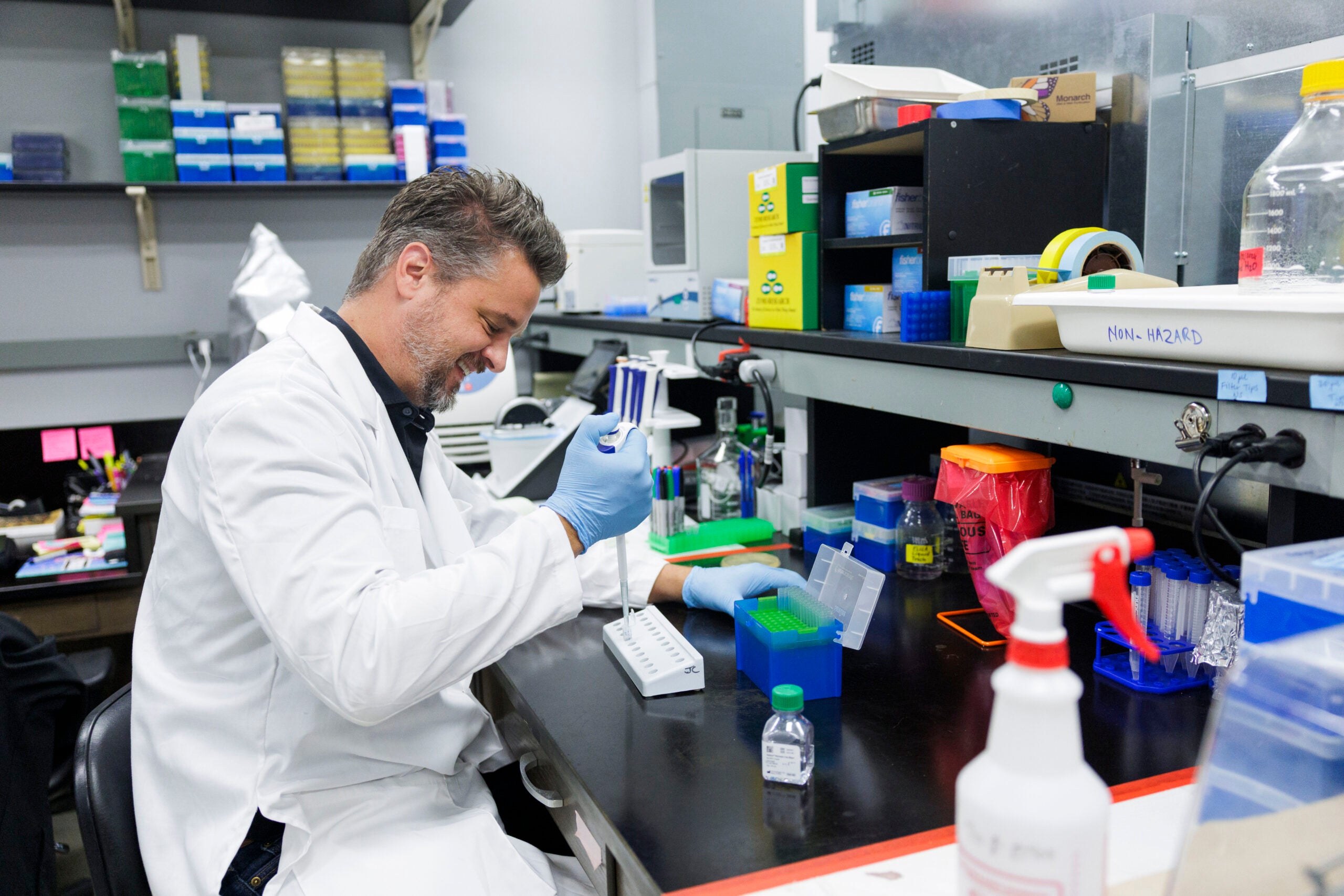
图片来源:罗杰·佩查斯副教授(官方图)。东卡罗来纳大学新闻室,2026年10月30日。 / Associate Professor Roger Pechous (official photo). East Carolina University newsroom, October 30, 2026.