德州大学医学分部与大阪大学合作研发拉沙热mRNA疫苗:获约60万美元资助
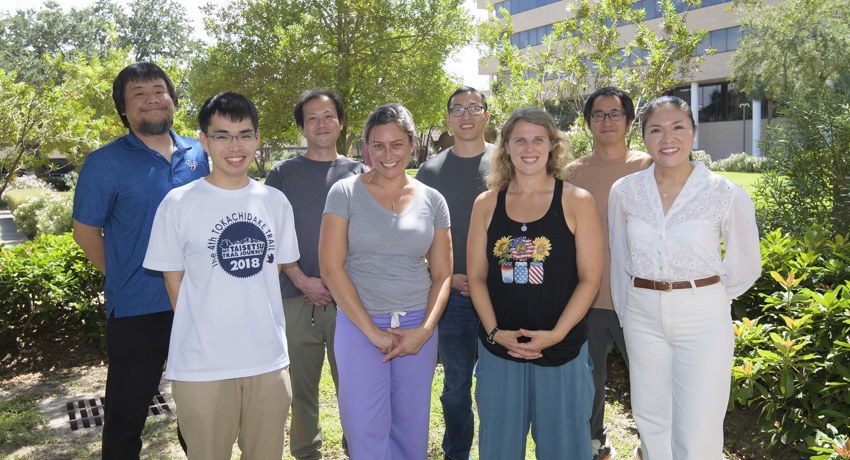
位于美国德克萨斯州加尔维斯顿县加尔维斯顿市(Galveston, Galveston County, Texas)的德州大学医学分部(UTMB)10月30日宣布,全球健康创新技术基金(GHIT Fund)向UTMB与日本大阪大学先进模式与药物递送系统疫苗开发中心(CAMaD)提供约60万美元资助,共同推进下一代拉沙热疫苗研发。
拉沙热是一种主要发生在西非的急性病毒性疾病,据估计每年感染约90万人,对孕妇尤其危险、死亡率可观;目前尚无获批疫苗,也没有专门的抗病毒治疗。该病通过接触受感染啮齿动物或感染者体液传播,被列为全球公共卫生与大流行防范的重点疾病。
这项为期两年的合作将支持一款创新mRNA候选疫苗的设计、制剂优化与临床前测试。
候选疫苗采用新型双顺反子mRNA设计:单个疫苗分子可同时产生拉沙病毒的GPC与NP两种蛋白。研究人员认为,这一设计有望拓宽免疫保护并提高生产效率。
团队还将改进疫苗递送系统并引入冻干技术,提高疫苗在较高温度下的稳定性,减少对超低温冷链的依赖,使其更便于运往冷藏条件有限的地区分发。UTMB将提供独特的野生型拉沙病毒资源,用于在多个研究模型中评估疫苗的免疫反应与保护效力。
UTMB病理学助理教授丸山顺基(Junki Maruyama)表示,拉沙热仍是严重且长期被忽视的全球健康挑战,这笔投入将加速有前景的疫苗研究,并建立在早期令人鼓舞的结果之上:此前在UTMB进行的试点研究中,一款相关疫苗制剂已显示出对拉沙病毒感染的保护作用。
研究团队预期,该项目将产生支持未来疫苗开发的关键数据,并为拉沙热及其他新发传染病的全球防范作出贡献。
UTMB and University of Osaka Scientists Join Forces on an mRNA Vaccine Against Lassa Fever With About $600,000 in Funding
The University of Texas Medical Branch (UTMB) in Galveston, Galveston County, Texas, announced on October 30 that the Global Health Innovative Technology Fund (GHIT Fund) has awarded approximately $600,000 to UTMB and the Center for Advanced Modalities and Drug Delivery System Vaccine Development (CAMaD) at the University of Osaka in Japan to advance development of a next-generation vaccine against Lassa fever.
Lassa fever is an acute viral disease found primarily in West Africa that infects an estimated 900,000 people each year. It can be severe, especially in pregnant women, and is associated with significant mortality. Despite its public health impact, there are currently no approved vaccines or specific antiviral treatments. The disease spreads through contact with infected rodents or bodily fluids from infected individuals and is recognized as a priority disease for global public health and pandemic preparedness.
Under the two-year research agreement, the funding will support vaccine design, formulation optimization and preclinical testing of an innovative messenger RNA (mRNA) vaccine candidate.
The candidate uses a novel bicistronic mRNA design, which enables a single vaccine molecule to produce two Lassa virus proteins, known as GPC and NP, simultaneously. Researchers believe this approach could broaden immune protection while improving manufacturing efficiency.
The team will also refine the vaccine delivery system and incorporate freeze-drying technology to improve stability at higher temperatures, which could reduce the need for ultra-cold storage and make the vaccine easier to transport and distribute in regions with limited refrigeration. UTMB will provide unique wild-type Lassa virus resources for evaluating the vaccine's immune response and protective efficacy through preclinical studies using several research models.
"Lassa fever remains a serious and underserved global health challenge," said Junki Maruyama, PhD, an assistant professor in the Department of Pathology at UTMB. The GHIT Fund-supported initiative builds on previous collaborative research between the University of Osaka and UTMB; in an earlier pilot study at UTMB, a related vaccine formulation demonstrated promising protection against Lassa virus infection.
The researchers expect the project to generate critical data supporting future vaccine development and to contribute to global preparedness for Lassa fever and other emerging infectious diseases.
来源:GSM·美国(原文链接)
图片来源:德州大学医学分部该官方发布所配图片。德州大学医学分部新闻室,2026年10月30日。 / Image published with UTMB's official announcement. UTMB newsroom, October 30, 2026.