NASA太阳辐照度卫星TSIS-2通过真空与振动测试:2027年初从新西兰发射,接续1978年以来的记录
美国国家航空航天局(NASA)10月29日公布,新一代太阳能量测量卫星 TSIS-2(总和光谱太阳辐照度传感器-2)今秋在科罗拉多州通过热真空与振动等环境测试,朝2027年初从新西兰发射又迈进一步;它将接续自1978年以来从未中断的太阳总辐照度测量记录。
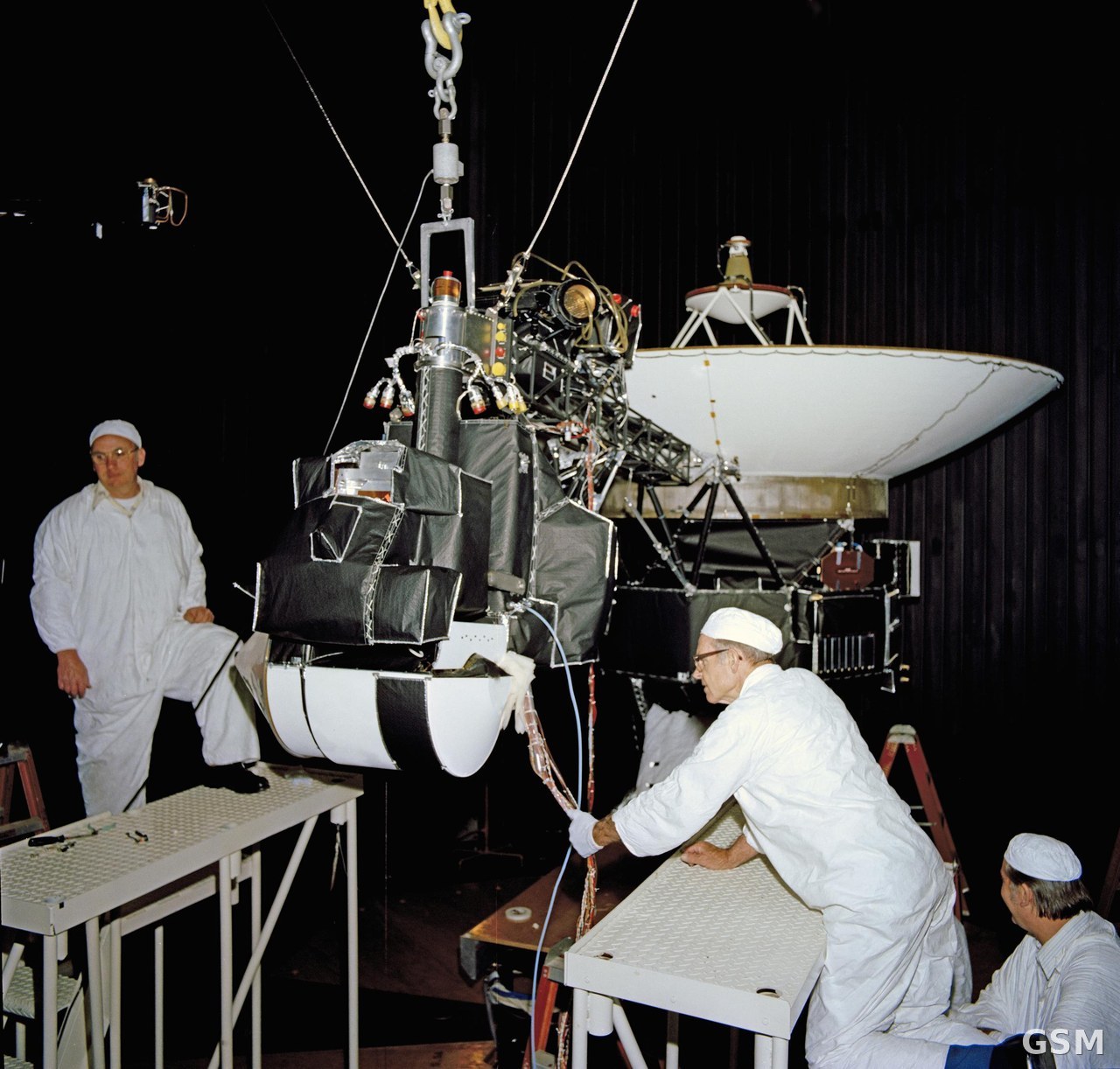
测试在通用原子电磁系统公司(General Atomics Electromagnetic Systems,GA-EMS)位于 Centennial, Colorado 的设施进行:团队把航天器置于低于冰点的温度与真空级压力环境,并让它经受模拟发射时的剧烈振动。NASA说,TSIS-2「以优异成绩通过了测试」。
环境测试的目的是确认仪器能挺过发射的严苛过程与太空环境。卫星在近地轨道运行时身处真空、温度远低于冰点,冷热循环的真空测试用来验证航天器与仪器能按设计工作;测试区附近还设有质量特性测试设备(测量质量、重心与质量分布)与振动测试设备。
「为发射做准备,几乎动用了我们 Centennial 设施的全部集成与测试能力,包括洁净室与环境测试设施。」GA-EMS 遥感卫星部门工程主任 Dan Scheuer 说;该公司同时负责航天器的设计制造、载荷集成测试与任务运行支持。测试完成后,TSIS-2 下一步将被装入定制运输箱运往发射场。
TSIS-2 载有两台测量太阳辐照度的仪器:总辐照度监测仪测量到达地球大气层顶的全部阳光,光谱辐照度监测仪测量这些能量在不同波长上的分布。两者结合,帮助科学家理解太阳能量变化如何影响地球。两台仪器由科罗拉多大学大气与空间物理实验室(LASP)研制,该实验室还支持在轨运行与科学数据处理。
NASA表示,TSIS-2 将延长自1978年开始的太阳总辐照度连续测量记录,提供太阳能量输出随时间微小变化的洞见,并帮助改进气候预测。任务由NASA主导,2027年初将搭乘 Rocket Lab 公司的 Electron 火箭从新西兰发射升空。
NASA's TSIS-2 Sun-Measuring Satellite Passes Vacuum and Vibration Testing: Launch From New Zealand in Early 2027
NASA said on October 29 that its next sunlight-measuring satellite, TSIS-2, the Total and Spectral Solar Irradiance Sensor-2, passed a series of environmental tests in Colorado this fall, including thermal vacuum and vibration testing, moving closer to a launch from New Zealand in early 2027. The mission will extend a continuous record of total solar irradiance measurements dating to 1978.
The tests took place at General Atomics Electromagnetic Systems (GA-EMS) in Centennial, Colorado, where the team subjected TSIS-2 to below-freezing temperatures and vacuum-level pressures and to shaking similar to launch. NASA said the spacecraft “passed the test with flying colors.”
Environmental testing is meant to ensure the instruments can withstand the rigors of launch and the harsh conditions of space. In low Earth orbit the satellite will experience a vacuum and temperatures well below freezing; hot-and-cold testing under vacuum confirms the spacecraft and its instruments can perform as designed. Nearby facilities also handle mass-properties testing, which measures the observatory's mass, center of gravity and mass distribution.
“Preparing the spacecraft for launch drew on nearly the full range of integration and test capabilities at our Centennial facility, including our clean room and environmental testing facilities,” said Dan Scheuer, director of engineering for the company's remote sensing satellite directorate. GA-EMS also handles spacecraft design and manufacturing, payload integration and testing, and mission operations support. With testing complete, TSIS-2 moves closer to being packed in a custom shipping container for transport to the launch site.
TSIS-2 carries two instruments that measure solar irradiance, the intensity of sunlight reaching the top of Earth's atmosphere: the Total Irradiance Monitor measures all of the sunlight, while the Spectral Irradiance Monitor measures how that energy is distributed across different wavelengths. Together they help scientists understand how changes in the Sun's energy influence Earth. The instruments were developed by the University of Colorado's Laboratory for Atmospheric and Space Physics (LASP), which also supports on-orbit operations and science data processing.
NASA leads the mission and said TSIS-2 will extend the continuous total solar irradiance record begun in 1978, provide insight into minute changes in the Sun's energy output over time, and help improve climate predictions. It will launch in early 2027 aboard Rocket Lab's Electron rocket from New Zealand.
来源:GSM·美国(原文链接)
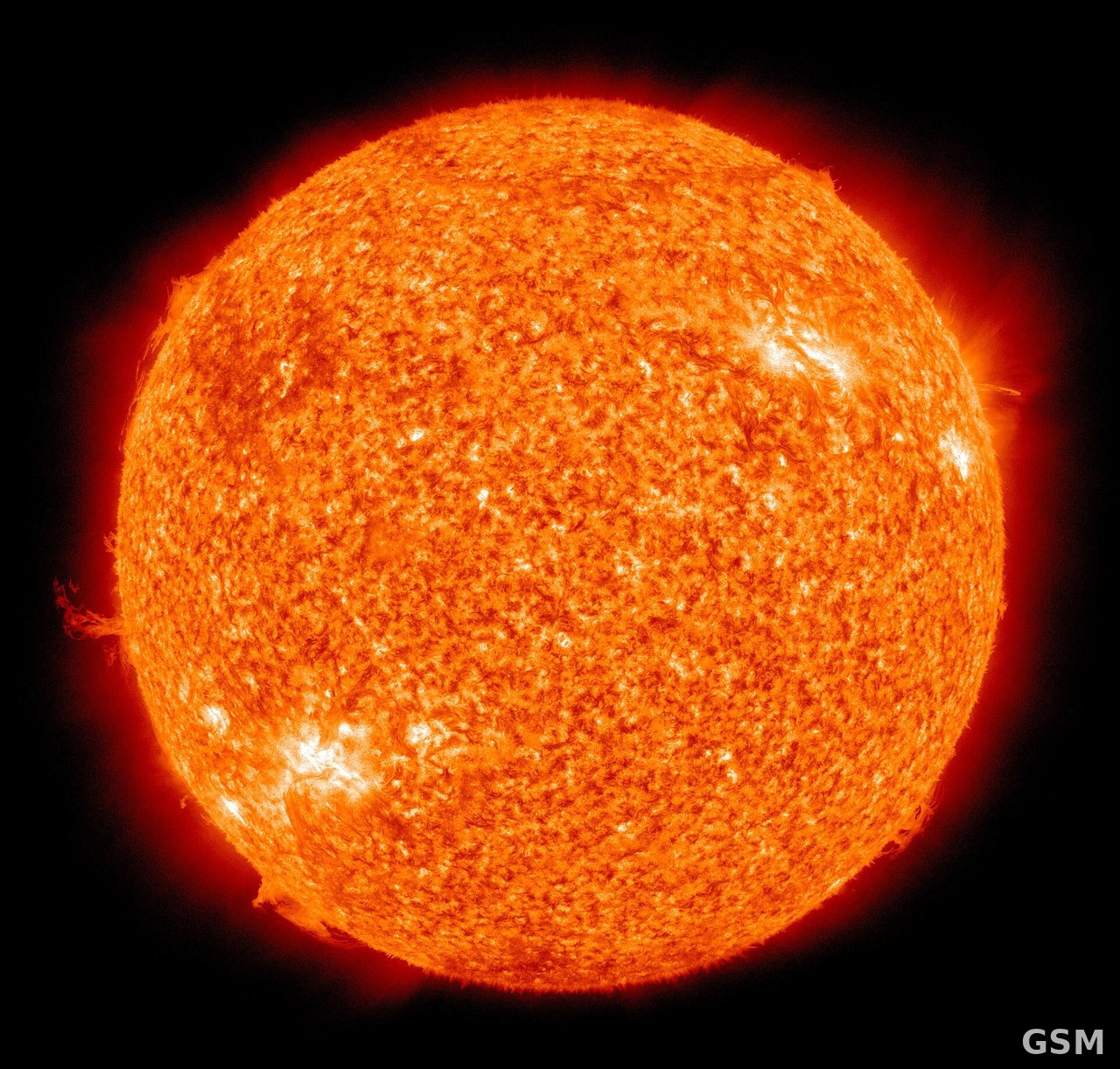
图片来源:图:太阳(资料图,TSIS-2 的测量对象)。照片:NASA 太阳动力学天文台(SDO),公共领域。 / The Sun (file photo; TSIS-2 will measure its energy output). Photo: NASA Solar Dynamics Observatory (SDO), public domain.