Cedars-Sinai研究:全基因组测序改变儿童诊疗,约63%获基因诊断的脑瘫患儿调整了护理方案
位于加利福尼亚州洛杉矶县洛杉矶市的Cedars-Sinai医疗中心10月30日发布消息,该中心Guerin儿童医院与英国剑桥大学研究人员参与的两项研究显示,全基因组测序有望改变脑瘫、儿童癌症等复杂儿童疾病的诊断与治疗方式。全基因组测序分析一个人DNA中约2万个基因,通常以血液或唾液样本进行,用于找出可能与疾病相关的基因变异。
第一项研究发表于《柳叶刀-区域健康(欧洲)》(The Lancet Regional Health–Europe),考察全基因组测序为脑瘫儿童寻找基因病因的作用。脑瘫是发育中的大脑因早产、感染或脑损伤受损造成的终身状况,全球约有1,800万人受其影响,可影响运动、肌肉控制、学习与沟通能力。研究指出,近四分之一的脑瘫患者可能存在某个特定基因的DNA突变,已知与脑瘫相关的基因超过100个。在这项研究中,约63%获得基因诊断的儿童因此调整了护理方案,例如当脑瘫属于带心脏问题的基因综合征时,医生会把患儿转诊做心脏评估。
第二项研究发表于《自然-通讯》(Nature Communications),检验快速全基因组测序能否改善儿童癌症的诊断与治疗:快速测序3到7天即可出结果,而标准检测需数周。在54名癌症患儿中,研究人员判断约50%的病例从更快拿到结果中受益——有患儿据此按自身代谢情况调整了化疗剂量,有的更换了药物,还有一例因此避免了不必要的治疗。
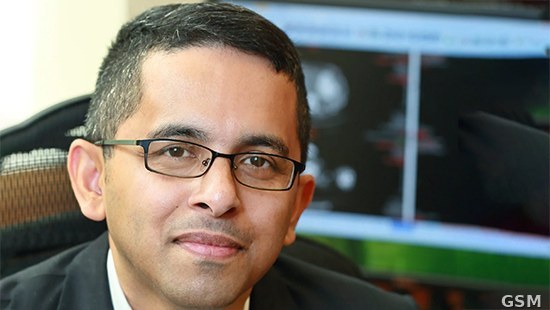
「全基因组测序让我们有机会更好地理解一个孩子为什么会得某种病,在某些情况下,还能改变我们照顾这个孩子的方式。」两项研究的通讯作者、Cedars-Sinai Guerin儿童医院研究副主任、剑桥大学儿科教授戴维·罗维奇(David Rowitch)说。这类诊疗方式被称为「基因组医学」。
Cedars-Sinai表示,Guerin儿童医院正在研究脑瘫患者中常见的CTNNB1基因,并已在新生儿与儿科重症监护病房启用全基因组测序方案,以扩大这项技术能惠及的患儿范围。研究人员同时指出,哪些脑瘫患儿应当做基因检测,目前标准尚不明确,需要更多指南;快速测序在美国推广,还需要医疗机构带头扩大检测的可及性与承接能力。
关联:Cedars-Sinai研究:洛杉矶山火后90天心脏病发作急诊激增46% 异常化验指标久居高位
Cedars-Sinai: Whole-Genome Sequencing Is Changing Care for Children, Altering Care Plans for About 63% of Diagnosed Cerebral Palsy Cases
Cedars-Sinai in Los Angeles, California, said on October 30 that two studies involving investigators at Cedars-Sinai Guerin Children's and the University of Cambridge, U.K., highlight the growing potential of whole-genome sequencing to transform the diagnosis and treatment of childhood conditions such as cerebral palsy and cancer. Whole-genome sequencing analyzes the roughly 20,000 genes in a person's DNA, usually from a blood or saliva sample, to identify genetic variations that may be linked to disease.
The first study, published in The Lancet Regional Health–Europe, investigated using whole-genome sequencing to identify genetic causes of cerebral palsy, a lifelong condition caused by damage to the developing brain that affects some 18 million people globally. Recent evidence indicates about 1 in 4 people with cerebral palsy may have an underlying DNA mutation, and more than 100 genes are linked to the condition. In the study, care plans were changed for about 63% of children who received a genetic diagnosis, for example by referring a child for cardiology assessment when the cerebral palsy was part of a genetic syndrome with a cardiac component.
The second study, published in Nature Communications, examined rapid whole-genome sequencing, with results in three to seven days rather than several weeks, in 54 children with cancer. The researchers concluded that about 50% of the cases benefited from the faster results: for some children chemotherapy doses were adjusted to fit their metabolism, for others medications were switched, and in one case treatment was withheld.
"Whole-genome sequencing gives us an opportunity to better understand why a child develops a particular condition and, in some cases, to change how we care for that child," said David Rowitch, MD, PhD, deputy director of Research at Cedars-Sinai Guerin Children's and a professor of Paediatrics at the University of Cambridge, the corresponding author of both studies.
Guerin Children's is researching the CTNNB1 gene, commonly found in cerebral palsy patients, and has launched a whole-genome sequencing protocol in its neonatal and pediatric intensive care units. The researchers note that criteria for testing children with cerebral palsy are not yet well established, and that wider U.S. adoption will require institutions to champion the approach and expand access and capacity.
来源:GSM·美国(原文链接)
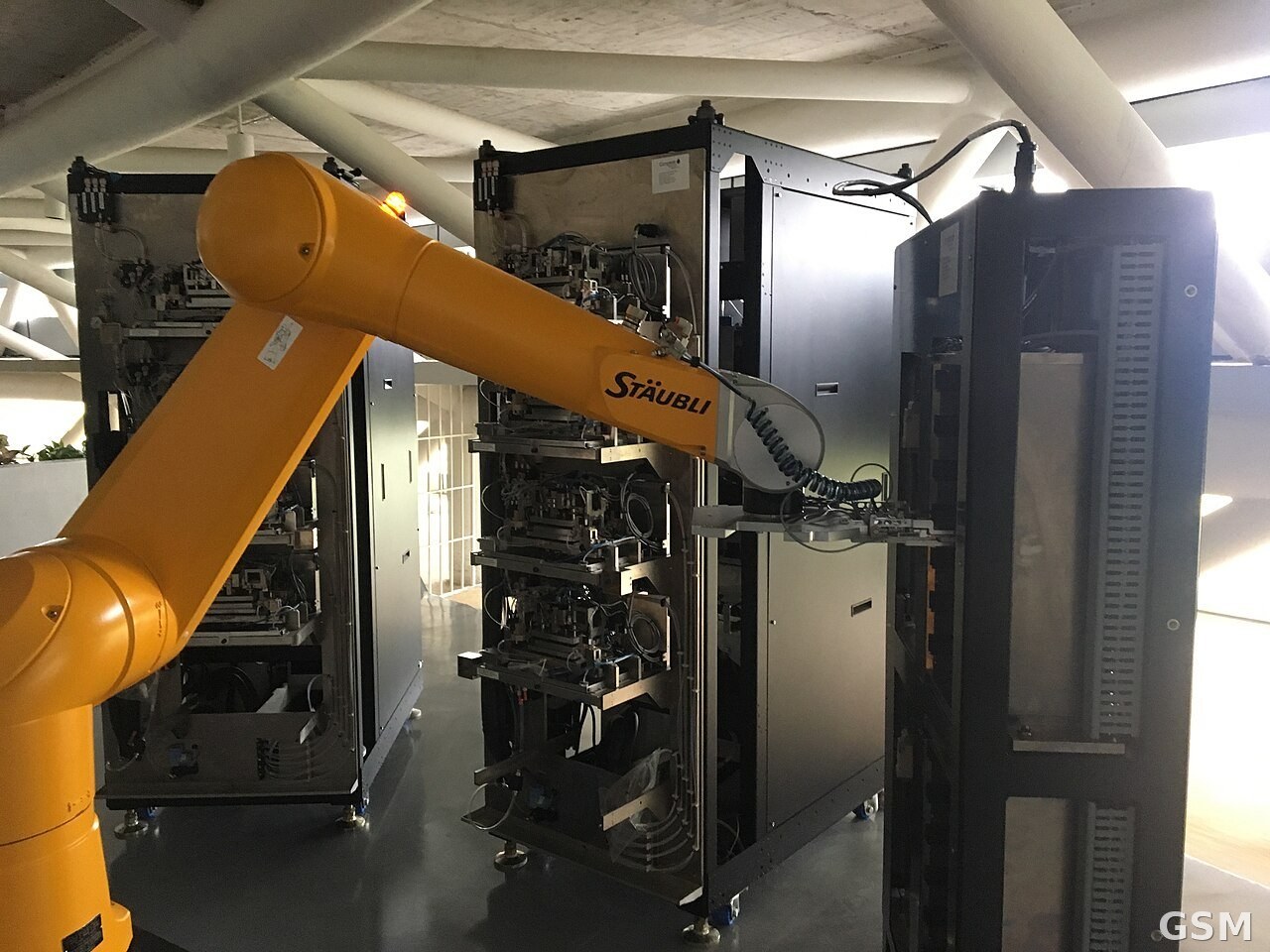
图片来源:图:DNA测序仪(资料图)。Scotted400 摄,CC BY 4.0,经 Wikimedia Commons。 / A DNA sequencer (file photo). Photo by Scotted400, CC BY 4.0, via Wikimedia Commons.