西北大学研究:最少1毫升血液的新检测可追踪小细胞肺癌的肿瘤负担与分子亚型
位于伊利诺伊州库克县芝加哥市的西北大学范伯格医学院(Northwestern University Feinberg School of Medicine)10月29日介绍,一项发表在《临床研究杂志》(Journal of Clinical Investigation)的研究显示,一种新的液体活检技术只需最少1毫升血液,就能测出小细胞肺癌的肿瘤负担并识别其分子亚型。
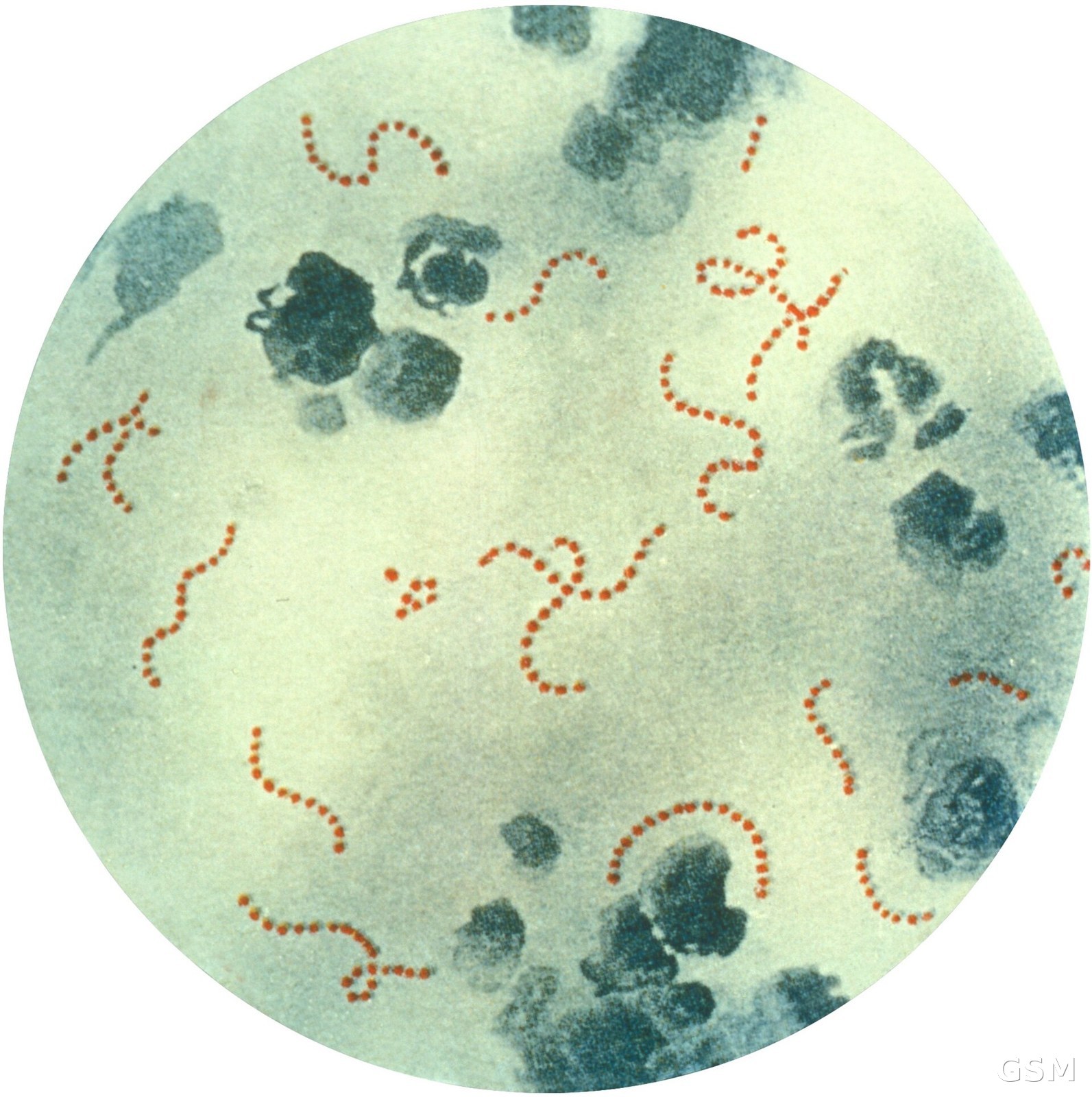
小细胞肺癌约占肺癌病例的15%(据CDC估算),生长快、易早期转移、预后差。不同肿瘤之间存在重要的生物学差异,但获取足够肿瘤组织做分子检测一直是难题。
这项名为cfChIP-seq的技术由耶路撒冷希伯来大学尼尔·弗里德曼(Nir Friedman)团队首创。与多数聚焦肿瘤DNA突变的液体活检不同,它分析垂死细胞释放入血的DNA片段及相关蛋白,通过活性染色质标记判断肿瘤细胞中哪些基因处于开启状态,而小细胞肺癌的关键生物学差异恰恰来自基因表达而非突变。
研究团队分析了441份血浆样本,来源包括小细胞肺癌患者、其他癌症患者与健康对照者,并与配对的肿瘤样本比对。结果显示,该检测得出的血液评分与影像显示的肿瘤负担高度相关,能追踪病情进展并识别分子亚型,无须反复做组织活检。
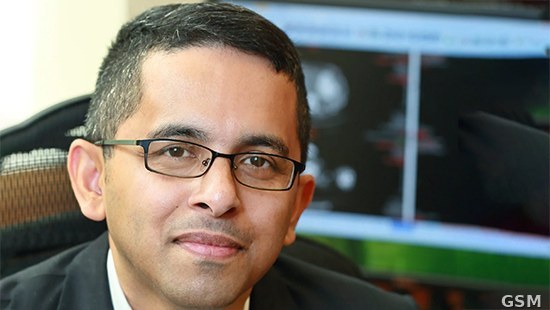
研究资深作者、西北大学血液与肿瘤学教授、卢里综合癌症中心成员阿尼什·托马斯(Anish Thomas)表示,这类血液检测未来或可帮助医生监测治疗反应、在耐药出现时察觉肿瘤生物学变化;但在进入常规临床之前,还需要更大规模的前瞻性研究。该研究获美国国立卫生研究院院内研究计划(NCI ZIA BC 011793)等资助。
Northwestern Study: New Blood Test Using as Little as 1 Milliliter Can Track Small Cell Lung Cancer Burden and Molecular Subtypes
Northwestern University Feinberg School of Medicine in Chicago, Cook County, Illinois, reported on October 29 that a study published in the Journal of Clinical Investigation demonstrates a novel liquid biopsy technique that can measure cancer burden and reveal the molecular characteristics of small cell lung cancer (SCLC) using as little as 1 milliliter of blood.
Small cell lung cancer accounts for roughly 15 percent of lung cancer cases, according to CDC estimates, and is marked by rapid growth, early spread and poor survival. Tumors differ in important biological ways, but obtaining enough tumor tissue for molecular testing has been a persistent challenge.
The technique, called cfChIP-seq, was pioneered by Nir Friedman's research group at the Hebrew University of Jerusalem. Unlike most liquid biopsies, which focus on tumor DNA mutations, cfChIP-seq analyzes DNA fragments and associated proteins shed into the bloodstream by dying cells and reads active chromatin marks to determine which genes are turned on in tumor cells; in SCLC, much of the important biology is driven by gene expression rather than mutations.
Investigators analyzed 441 plasma samples from patients with SCLC and other cancers and from healthy controls, and compared the blood-based findings with matched tumor samples. The study's blood-based SCLC score correlated strongly with cancer burden shown on tumor imaging, and the method tracked progression and identified molecular subtypes without repeated tissue biopsies.
Senior author Anish Thomas, MD, the Roswell Park Professor of Hematology and Oncology and a member of Northwestern's Robert H. Lurie Comprehensive Cancer Center, said a blood test capturing both tumor burden and molecular identity could eventually help clinicians monitor treatment response and detect changes in tumor biology as resistance develops, but that larger prospective studies are needed before routine clinical use. The study was supported in part by the NIH Intramural Research Program (NCI ZIA BC 011793).
来源:GSM·美国(原文链接)
图片来源:研究资深作者阿尼什·托马斯医学博士(Anish Thomas, MD)。西北大学范伯格医学院官方照片。 / Senior author Anish Thomas, MD. Official photo, Northwestern University Feinberg School of Medicine.