Cedars-Sinai研究:洛杉矶山火后90天心脏病发作急诊激增46% 异常化验指标久居高位
洛杉矶——雪松西奈医疗中心(Cedars-Sinai)研究人员的一项研究显示,2025年1月洛杉矶 Pacific Palisades 与 Altadena 山火发生后的90天内,居住在火灾直接影响及邻近邮编区的居民中,呼吸系统疾病急诊比此前七年1月的平均水平增加24%,心脏病发作(心肌梗死)增加46%,血液化验异常的检出率更上升118%,而且这些异常指标在90天研究期结束后仍居高不下。这项研究发表于《美国心脏病学会杂志》(JACC),是全美多家领先机构合作的「洛杉矶山火健康研究」(L.A. Fire Health Study)的一部分。
领衔这项研究的心脏病学主任 Susan Cheng 说,这两场山火是美国历史上规模最大的野地—城市交界火灾之一;此次心脏病发作与呼吸系统疾病急诊的增幅,「达到或超过此前七年所有1月,包括新冠疫情最严重的年份」。Smidt心脏研究所临床分析主任 Joseph Ebinger 说,化验异常「并非与特定症状相关,也无法用明显的器官功能障碍诊断来解释」——比如电解质或酸碱状态被标为异常,却没有肾衰竭的诊断;他表示,迹象显示火灾释放的部分毒素不只影响肺部,还被吸收入血、引发全身性问题,研究团队推测全身性炎症是心脏病发作与化验异常上升的推手。
研究还专门提到消防员的心脏健康:美国国家职业安全卫生研究所(NIOSH)多年来的统计显示,心血管疾病是消防员执勤死亡的头号原因。Cheng 说,消防员心血管疾病的高发,与山火后普通居民中出现的心脏病发作信号相互印证。Cedars-Sinai 已开始为洛杉矶消防员进行健康筛查,并计划长期追踪一支消防员队列的血液与生理指标,评估职业暴露对其健康轨迹的影响;研究团队还将继续随访山火后的急诊患者,观察暴露与长期健康及医疗使用之间的关联。
Cedars-Sinai Study: Heart Attack ER Visits Rose 46% After L.A. Wildfires, Abnormal Labs Stayed Elevated
LOS ANGELES — A Cedars-Sinai study found that in the 90 days after the January 2025 wildfires in Los Angeles' Pacific Palisades and Altadena communities, residents of ZIP codes in or adjacent to the fire zones visited emergency departments for respiratory illness at rates 24 percent above the average of the previous seven Januarys, for heart attacks at rates 46 percent higher, and received abnormal blood-chemistry results at rates 118 percent higher — and those laboratory abnormalities remained elevated well beyond the study's 90 days. The study, published in the Journal of the American College of Cardiology (JACC), is part of the L.A. Fire Health Study, a collaboration among leading medical research institutions nationwide.
Susan Cheng, MD, chair of Cardiology at Cedars-Sinai, who led the study, said the two fires were among the largest wildland-urban interface fires in U.S. history, and that the increases in heart attacks and respiratory illness matched or exceeded all prior Januarys going back seven years, including the worst COVID-19 years. Joseph Ebinger, MD, director of Clinical Analytics in the Smidt Heart Institute, said the laboratory abnormalities "weren't linked to specific symptoms, and weren't explained by any concurrent diagnoses of overt organ dysfunction" — electrolytes or acid-base status coded as abnormal, for example, without a diagnosis of kidney failure. The signs indicate some toxins released by the fires were absorbed into the blood and caused systemic issues, he said, with systemic inflammation the researchers' suspected driver of both the heart attacks and the abnormal labs.
The study also highlights firefighters' heart health: the National Institute for Occupational Safety and Health has for many years found cardiovascular disease to be the single greatest cause of firefighter deaths in the line of duty, a rate Cheng said is a corollary to the heart-attack signal seen among civilian residents after the fires. Cedars-Sinai has begun health screenings for Los Angeles firefighters and plans to follow a cohort of them longitudinally, checking blood and biophysical measures to see how workplace exposures affect their health trajectories. The investigators also plan to keep following the post-fire ER patients to determine whether the exposures are associated with changes in long-term health or healthcare use.
来源:GSM·美国(原文链接)
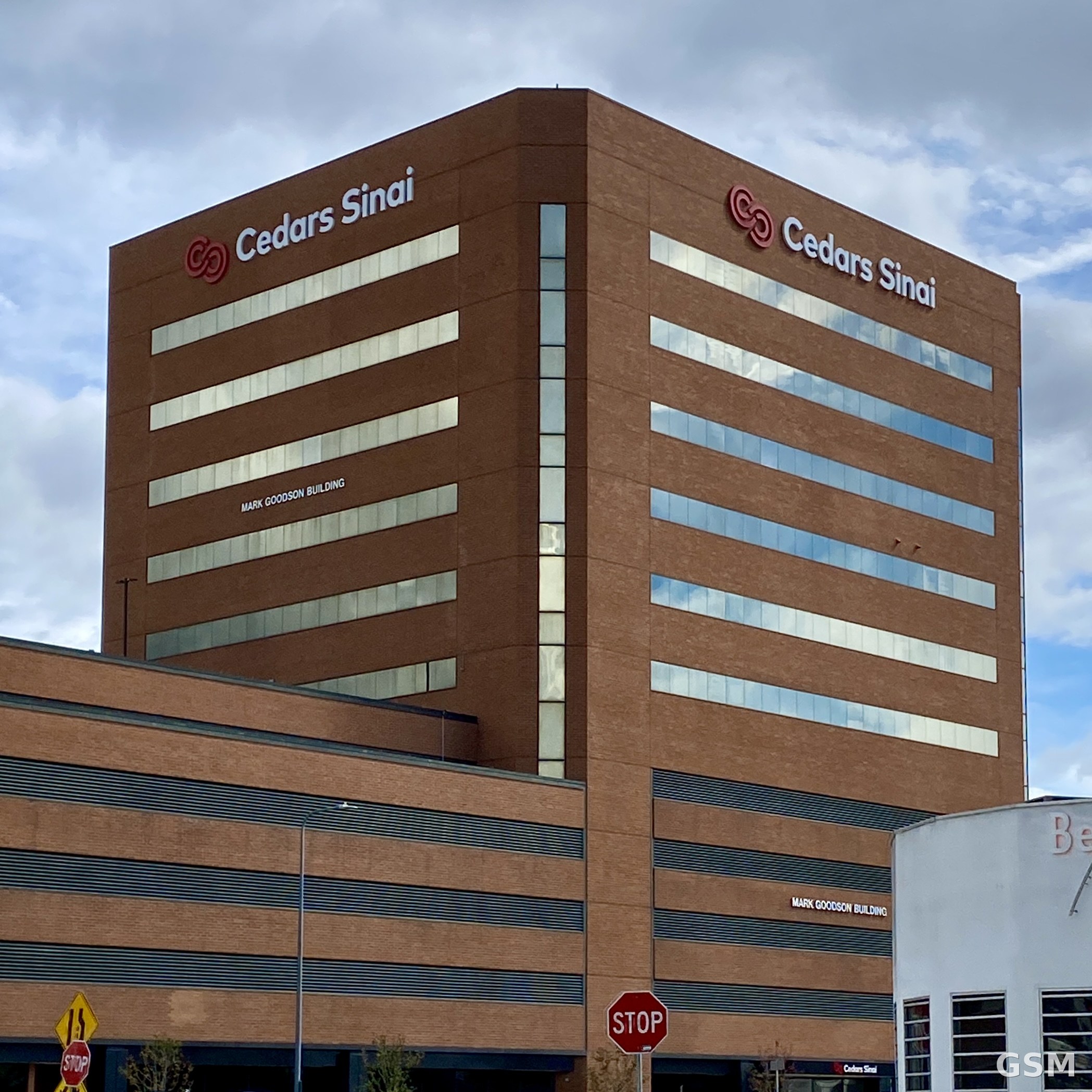
图片来源:图:位于洛杉矶的雪松西奈医疗中心(Cedars-Sinai Medical Center)Mark Goodson 大楼(2024年摄)。照片:Jengod,CC BY-SA 4.0,经 Wikimedia Commons。 / The Mark Goodson Building at Cedars-Sinai Medical Center in Los Angeles (2024). Photo: Jengod, CC BY-SA 4.0, via Wikimedia Commons.