马来西亚:外国电商平台须在马设办事处并开电子发票 新法案明年提呈
马来西亚国内贸易和生活成本部长阿米占(Datuk Armizan Mohd Ali)10月28日在下议院为2027年财政预算案辩论总结时表示,所有在马来西亚运营的外国电商平台将被要求开具电子发票,并必须在马来西亚设立办事处,这项要求同样适用于与平台相关的供应商。部长点名的平台包括拼多多、Temu和AliExpress(全球速卖通)。
阿米占说,电子发票制度由财政部推行,目的是确保税收合规。据他介绍,马来西亚自2024年1月1日起已对价值500令吉及以下的进口低价商品征收10%的销售税,覆盖通过电商平台销售的商品。
他还透露,一项专门监管外国电商平台的法案将于2027年首次国会会议提呈,内容包括与行业和消费者协商的机制、消费者保护以及交易纠纷解决。他说,强化电商生态的措施意在应对外国平台带来的挑战。
马来西亚是东南亚增长较快的电商市场之一。政府表示,新规旨在为本地商家创造更公平的竞争环境,并加强对消费者的保护。
Malaysia: Foreign E-Commerce Platforms Must Set Up Local Offices and Issue E-Invoices
Malaysia's Domestic Trade and Cost of Living Minister Datuk Armizan Mohd Ali told the Dewan Rakyat on October 28, winding up the Budget 2027 debate, that all foreign e-commerce platforms operating in Malaysia will be required to issue e-invoices and to establish offices in Malaysia; the requirements will also apply to vendors associated with the platforms. He named Pinduoduo, Temu and AliExpress among the platforms concerned.
Armizan said the e-invoicing regime, implemented by the Finance Ministry, is intended to ensure tax compliance. Malaysia has since January 1, 2024 levied a 10 percent sales tax on imported low-value goods priced at RM500 and below, including goods sold through e-commerce platforms.
He also said a bill to regulate foreign e-commerce platforms will be tabled at the first parliamentary sitting of 2027, covering a consultation mechanism with industry and consumers, consumer protection and dispute resolution, as part of measures to strengthen the e-commerce ecosystem against challenges posed by foreign platforms.
Malaysia is one of Southeast Asia's faster-growing e-commerce markets. The government says the new rules are meant to create a fairer playing field for local merchants and better protect consumers.
来源:GSM·美国(原文链接)
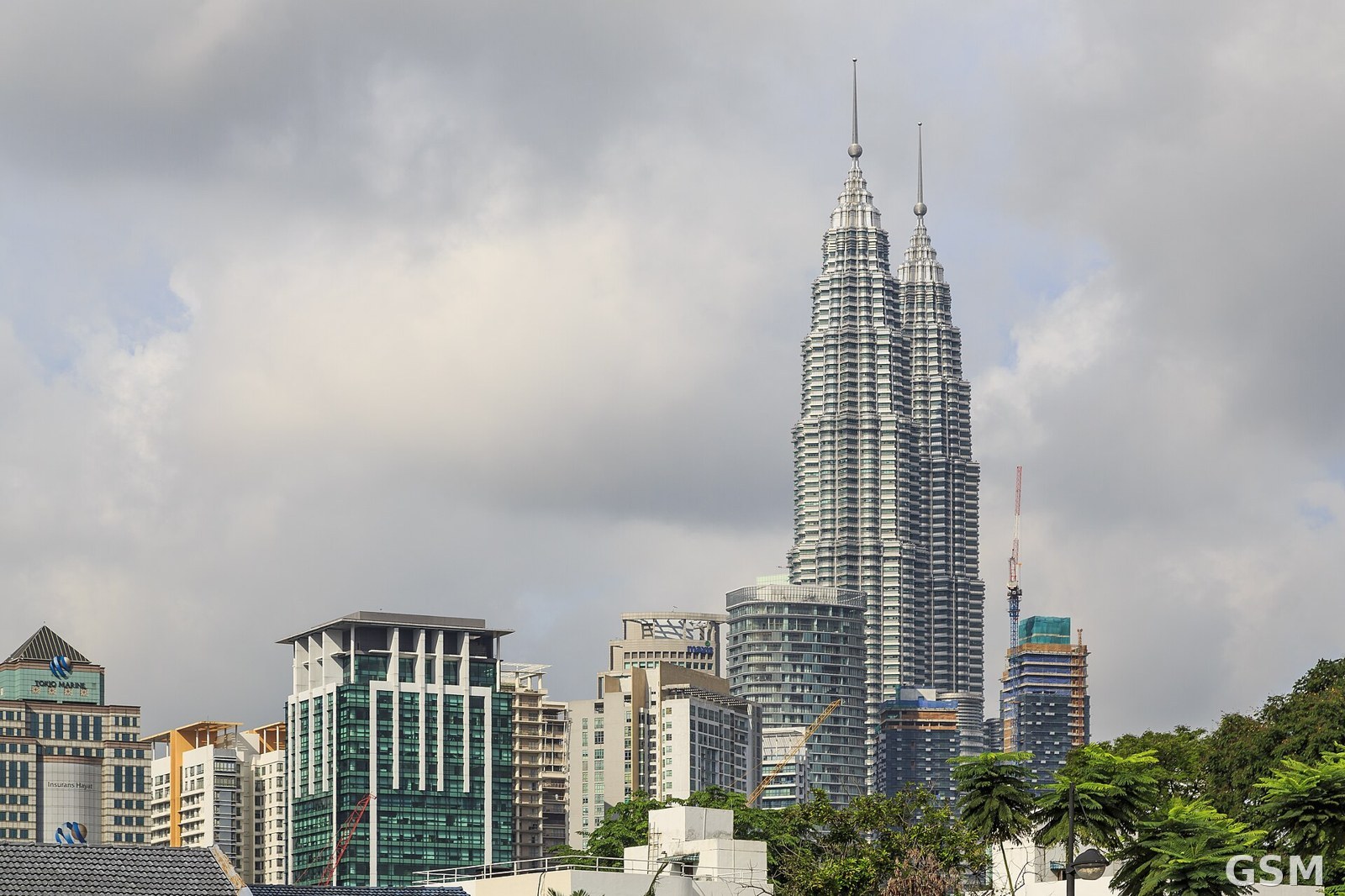
图片来源:照片:马来西亚吉隆坡双子塔,CEphoto、Uwe Aranas 摄,Wikimedia Commons,CC BY-SA 3.0 授权 / Photo of the Petronas Towers in Kuala Lumpur by CEphoto, Uwe Aranas, Wikimedia Commons, CC BY-SA 3.0