劳工部定版药房福利管理人收费披露终规:回扣、价差与药房追回款须全面公开 预计十年最高省药费220亿美元
美国劳工部(Department of Labor,DOL)下属的雇员福利安全管理局(Employee Benefits Security Administration,EBSA)10月29日在华盛顿定版一项终局规则,要求药房福利管理人(Pharmacy Benefit Manager,PBM)及其关联经纪人与顾问,首次向大型雇主自保团体健康计划全面披露其收费与报酬。这项名为「提高药房福利管理人收费披露透明度」(Improving Transparency into Pharmacy Benefit Manager Fee Disclosure)的规则由劳工部以新闻稿编号 26-1557-NAT 宣布,依据《雇员退休收入保障法》(ERISA)服务提供商禁止交易豁免条款发布。
按终规,PBM 须向计划受托人披露三类此前从未被要求公开的信息:药厂支付的回扣及其他付款;计划为处方药支付的价格高于药房实际报销额时 PBM 留存的价差报酬;以及就配给计划参与者的处方药从药房追回的款项。EBSA 同日发布的事实清单还把通胀与价格保护安排列入披露范围。披露的目的,是让计划受托人能够评估 PBM 报酬是否合理,并履行 ERISA 规定的受托责任。
终规同时赋予计划受托人审计 PBM 披露准确性的权利;PBM 未履行披露义务时,受托人还可获得额外救济。
适用范围方面,终规针对大型自保团体健康计划的受规服务提供商——一般指参保人数 100 人以上的自保计划,或由雇员 100 人以上雇主提供的自保计划;预计报酬达到 1,000 美元以上的服务提供商在规管之列。劳工部说,雇主自保团体健康计划覆盖约 9,000 万美国人,但计划受托人往往看不清 PBM 及其关联方从药厂、药房等各方实际拿到的报酬。规模较小的团体健康计划与全额投保计划的服务提供商,仍须遵守法定的披露要求。
劳工部预计,这项终规可为健康计划与参保人在十年内降低处方药成本最高 220 亿美元(未折现)。
劳工部长 Keith Sonderling 说:「这是每一个曾在药房柜台多付过钱的美国工人的胜利。多年来,PBM 一直在暗处运作,揣走隐形收费,工人和雇主却被蒙在鼓里。今天,特朗普总统把美国人应得的透明度交到他们手中,把美国工人放在首位。」
EBSA 助理部长 Daniel Aronowitz 说:「这项规则给了雇主他们被剥夺已久的工具。雇主终于能看清 PBM 到底拿了多少钱,就能谈出更硬的条件、砍掉浪费,把真正的节省传给工人。」
这项终规落实了国会今年早些时候在《2026 年综合拨款法》中通过的两党透明度改革,并执行特朗普总统「再次把美国人放在首位、降低药价」的行政令。规则在《联邦公报》刊登 60 天后生效,适用于 2027 年 7 月 1 日或之后开始的计划年度。
Labor Department Finalizes PBM Fee Disclosure Rule: Rebates, Spread Pricing and Pharmacy Clawbacks Must Be Disclosed, With Up to $22 Billion in Projected Savings
The Employee Benefits Security Administration (EBSA) of the U.S. Department of Labor (DOL) on October 29 finalized a rule in Washington that will require pharmacy benefit managers (PBMs) and their affiliated brokers and consultants to disclose their fees and compensation to large employers' self-insured group health plans for the first time. The rule, titled Improving Transparency into Pharmacy Benefit Manager Fee Disclosure, was announced in DOL release 26-1557-NAT and was issued under the statutory service provider prohibited transaction exemption of the Employee Retirement Income Security Act (ERISA).
Under the final rule, PBMs must disclose to plan fiduciaries three categories of information never before required: rebates and other payments from drug manufacturers; spread compensation, received when the price paid by the plan for a prescription drug exceeds the amount reimbursed to the pharmacy; and payments recouped from pharmacies in connection with prescription drugs dispensed to plan participants. EBSA's fact sheet issued the same day also places inflation and price protection arrangements within the disclosure scope. The disclosures are meant to allow plan fiduciaries to assess the reasonableness of PBM compensation and to fulfill their duties under ERISA.
The final rule also allows plan fiduciaries to audit the accuracy of PBM disclosures, and provides additional relief for fiduciaries if a PBM fails to meet its obligations.
The rule applies to covered service providers to large, self-insured group health plans, generally self-insured plans with 100 or more participants or self-insured plans offered by employers with 100 or more employees; providers expecting to receive $1,000 or more in compensation are covered. The Labor Department said employer-sponsored self-insured group health plans cover approximately 90 million Americans, but plan fiduciaries often cannot get a full picture of the compensation PBMs and their affiliates receive from drug manufacturers, pharmacies and others. Service providers to smaller group health plans and to fully insured plans must still meet the statutory disclosure requirements.
The department projected that the final rule will lower prescription drug costs for health plans and participants by as much as $22 billion, undiscounted, over 10 years.
"This is a win for every American worker who has ever paid too much at the pharmacy counter," said Secretary of Labor Keith Sonderling. "For years, PBMs have operated in the shadows, pocketing hidden fees while workers and employers were left in the dark. Today, President Trump is delivering the transparency Americans deserve, and putting American workers first."
"The rule gives employers the tools they've been denied for far too long," said Daniel Aronowitz, Assistant Secretary for the Employee Benefits Security Administration. "When employers can finally see what PBMs are really being paid, they can negotiate harder, cut out the waste, and pass real savings on to their workers."
The rule implements the bipartisan transparency reforms Congress enacted earlier this year as part of the Consolidated Appropriations Act, 2026, and fulfills the executive order titled Lowering Drug Prices by Once Again Putting Americans First. The regulation takes effect 60 days after publication in the Federal Register and applies to plan years beginning on or after July 1, 2027.
来源:GSM·美国(原文链接)
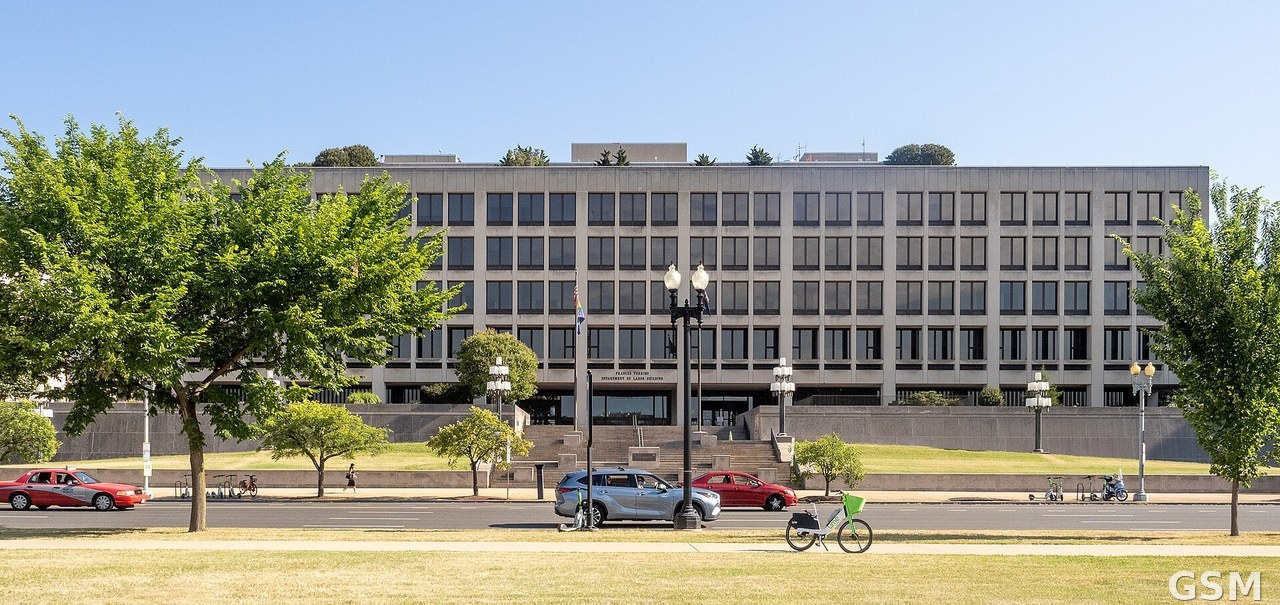
图片来源:图:位于华盛顿的美国劳工部总部 Frances Perkins 大楼。ajay_suresh 摄,经 Wikimedia Commons,授权 CC BY 2.0。 / Photo: The Frances Perkins Building, headquarters of the U.S. Department of Labor in Washington. Photo by ajay_suresh, via Wikimedia Commons, CC BY 2.0.