荷兰关键原材料:八种最重要的原材料中七种主要在中国加工,镓居首
荷兰统计局10月29日发布新研究:对荷兰经济最重要的八种关键原材料中,有七种在运抵荷兰之前主要在中国加工,其中用于制造芯片的镓关键度居首,相关供应关系到荷兰的半导体、国防和能源转型产业。
研究按照欧盟官方关键原材料清单,对每种材料的经济重要性、供应中断风险和预期需求增长逐项评分。得分最高的八种材料中,除铌之外,其余七种都主要经中国加工:镓、稀土、锗、天然石墨、锂、钴和金属硅。铌是唯一的例外,主要由巴西供应。
这七种材料至少74%在中国加工。其中天然石墨的这一比例为94%,稀土为84%。镓是荷兰自中国进口最多的关键原材料。
镓的关键度得分最高。统计局列出三点原因:中国控制着全球近乎全部的镓产量,并把出口限制用作地缘杠杆,供应中断风险最高;镓是生产微芯片和高科技产品的必需材料,而这些正是荷兰经济的关键动力;超级智能、电动车和更高速网络需要比现有硅基方案更强大、更节能的芯片,镓的需求因此快速增长。
统计局指出,这批材料对半导体和国防工业以及能源转型都至关重要,需求正随先进出行、算力和高效能源与防御系统的需求上升,但地缘紧张持续威胁进口的稳定性。
在进口规模方面,2025年荷兰从非欧盟来源进口了172亿欧元的关键原材料,以及1239亿欧元的含有这些材料的产品。两项合计,约占荷兰从欧盟以外进口总值的近三分之一。
来源:荷兰统计局(CBS)
Netherlands: Seven of Its Eight Most Critical Raw Materials Are Processed Mainly in China, Gallium Tops the List
Seven of the eight most critical raw materials for the Dutch economy are processed mainly in China before they reach the Netherlands, Statistics Netherlands (CBS) reported on October 29 in new research, with gallium — a material essential for making microchips — ranking highest in criticality for the semiconductor, defence and energy-transition industries.
The study assessed every material on the European Union's official list of critical raw materials for economic importance, risk of supply disruption and expected growth in demand. Of the eight highest-scoring materials, seven are processed mainly in China: gallium, rare earth minerals, germanium, natural graphite, lithium, cobalt and silicon metal. The eighth, niobium, is the only exception, supplied primarily by Brazil.
At least 74 percent of these seven materials are processed in China. The share is 94 percent for natural graphite and 84 percent for rare earth minerals. Gallium is the most imported critical raw material from China.
Gallium received the highest criticality score for three reasons, CBS said. China controls almost the entire global production of gallium and uses export restrictions as a tool of geopolitical leverage, creating a high risk of supply disruption. Gallium is essential for producing microchips and high-tech products, key drivers of the Dutch economy. And the shift to super intelligence, electric vehicles and faster networks requires chips far more powerful and energy-efficient than current silicon-based solutions, driving rapid growth in demand.
The materials are crucial for the semiconductor and defence industries as well as the energy transition, the agency said, while geopolitical tensions continue to threaten the stability of imports.
In 2025, the Netherlands imported 17.2 billion euros' worth of critical raw materials and 123.9 billion euros' worth of products containing these materials from non-EU sources. Together, the two categories account for almost one-third of the total value of Dutch imports from outside the EU.
Source: Statistics Netherlands (CBS)
来源:GSM·美国(原文链接)
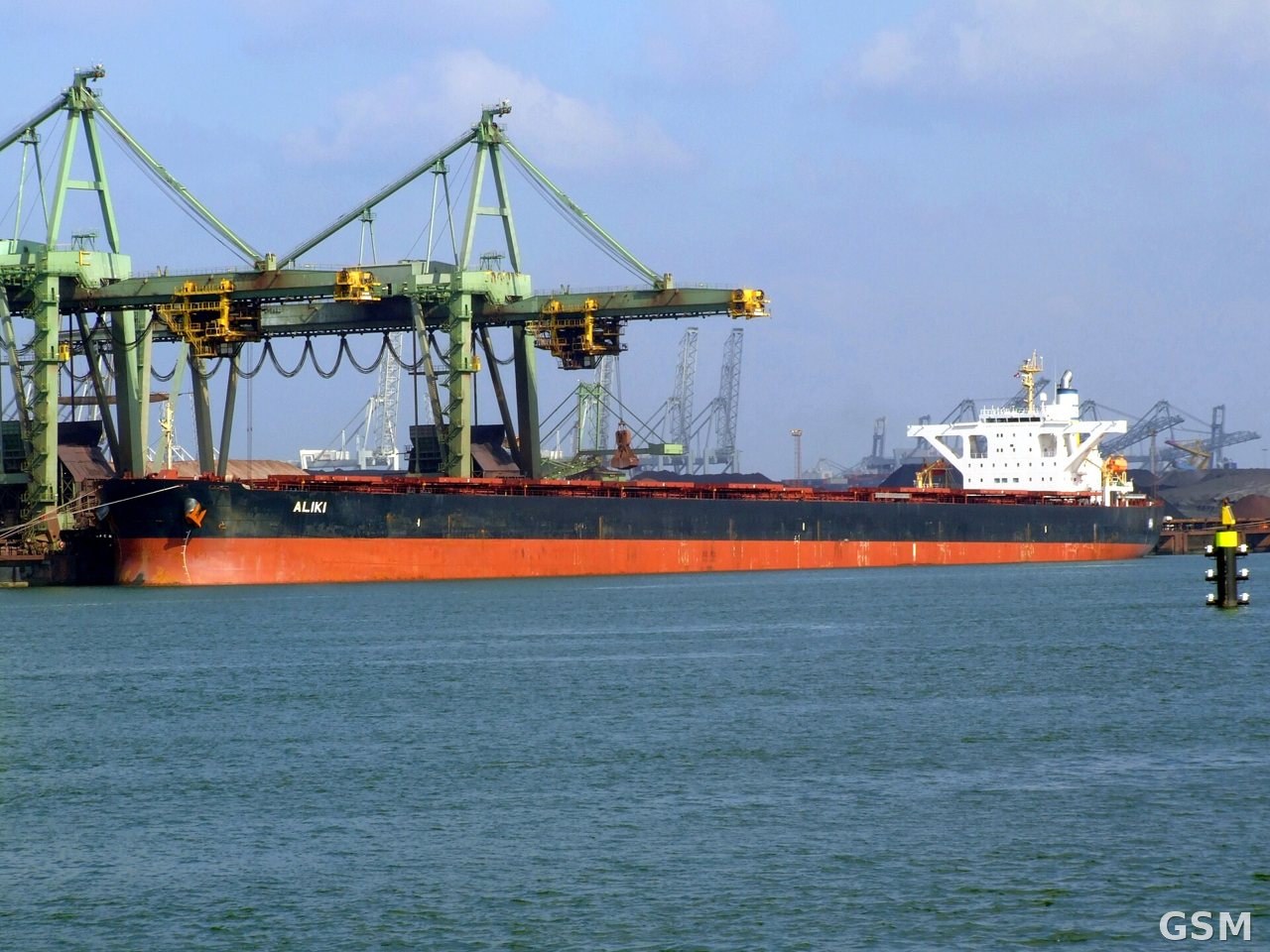
图片来源:图:鹿特丹港港区(资料图)。照片:AlfvanBeem,CC0,经 Wikimedia Commons。Photo: The Port of Rotterdam (file photo). Photo: AlfvanBeem, CC0, via Wikimedia Commons.