联合国报告:海洋吸收碳的能力已因气候变化削弱约6%,呼吁投资建设「海洋碳智能」
据联合国新闻10月28日报道,联合国当天发布的《2026气候技术进展报告》警告:海洋吸收人类活动二氧化碳排放的约三成、温室气体多余热量的约九成,但气候变化已经使海洋吸收和储存碳的能力削弱约6%。这份报告在11月第31届联合国气候变化大会(COP31)之前发布。
报告由联合国环境署哥本哈根气候中心与气候技术中心和网络、《联合国气候变化框架公约》技术执行委员会合作编写,提出加强「海洋碳智能」——把海洋科学、监测技术、数据基础设施与分析工具连接成一个框架,更准确地掌握海洋碳动态,支撑基于证据的气候行动。报告主要作者 Sara Traerup 提醒,各类海洋技术方案必须与减排和生态系统保护互补,而不能取而代之;她警告,这种削弱今后可能加速。
报告特别指出,小岛屿发展中国家的排放不足全球总量的1%,却站在海洋与气候冲击的第一线,呼吁为这些国家增加融资、技术转让与能力建设。塞舌尔2015年通过「债务换自然」安排重组部分外债、换取海洋保护承诺,并设立信托基金资助海洋保护、气候韧性与可持续蓝色经济。
在太平洋地区,斐济、巴布亚新几内亚、所罗门群岛与瓦努阿图已获支持,测绘海草床与红树林、测量其碳储量;100多人接受了蓝碳评估培训,各国政府得以把数据纳入本国气候计划。报告还强调把本地与原住民知识纳入资源管理:沿海社区靠自然生境护岸、靠可持续方式管理渔业与海岸资源应对气候变化,已有多年经验。
UN Report: Ocean's Ability to Absorb Carbon Has Weakened by About 6% as Climate Change Intensifies
UN News reported on October 28 that the UN's 2026 Climate Technology Progress Report warns the ocean's ability to absorb and store carbon has already been reduced by approximately six per cent by climate change. The ocean absorbs around 30 per cent of human-caused carbon dioxide emissions and approximately 90 per cent of the excess heat trapped by greenhouse gases. The report was released in Copenhagen ahead of the COP31 climate conference in November.
Produced by the UNEP Copenhagen Climate Centre in collaboration with the Climate Technology Centre and Network and the UNFCCC Technology Executive Committee, the report calls for investment in "Ocean Carbon Intelligence" — a framework connecting ocean science, monitoring technologies, data infrastructure and analytical tools to improve understanding of ocean carbon dynamics and support evidence-based climate action. Lead author Sara Traerup cautioned that ocean-based technologies must complement, not replace, emissions reductions and ecosystem protection, and warned the weakening could accelerate in coming years.
The report stressed that Small Island Developing States contribute less than one per cent of global emissions yet are on the front line of ocean and climate impacts, and called for greater access to finance, technology transfer and capacity-building. In 2015, Seychelles used a debt-for-nature swap to restructure part of its foreign debt in exchange for marine conservation commitments, setting up a trust fund for marine conservation, climate resilience and the sustainable blue economy.
In the Pacific, Fiji, Papua New Guinea, Solomon Islands and Vanuatu have been supported to map seagrass meadows and mangrove forests and measure how much carbon they store; more than 100 people have been trained in blue-carbon assessment, giving governments data for their national climate plans. The report also stressed integrating local and Indigenous knowledge into resource management.
来源:GSM·美国(原文链接)
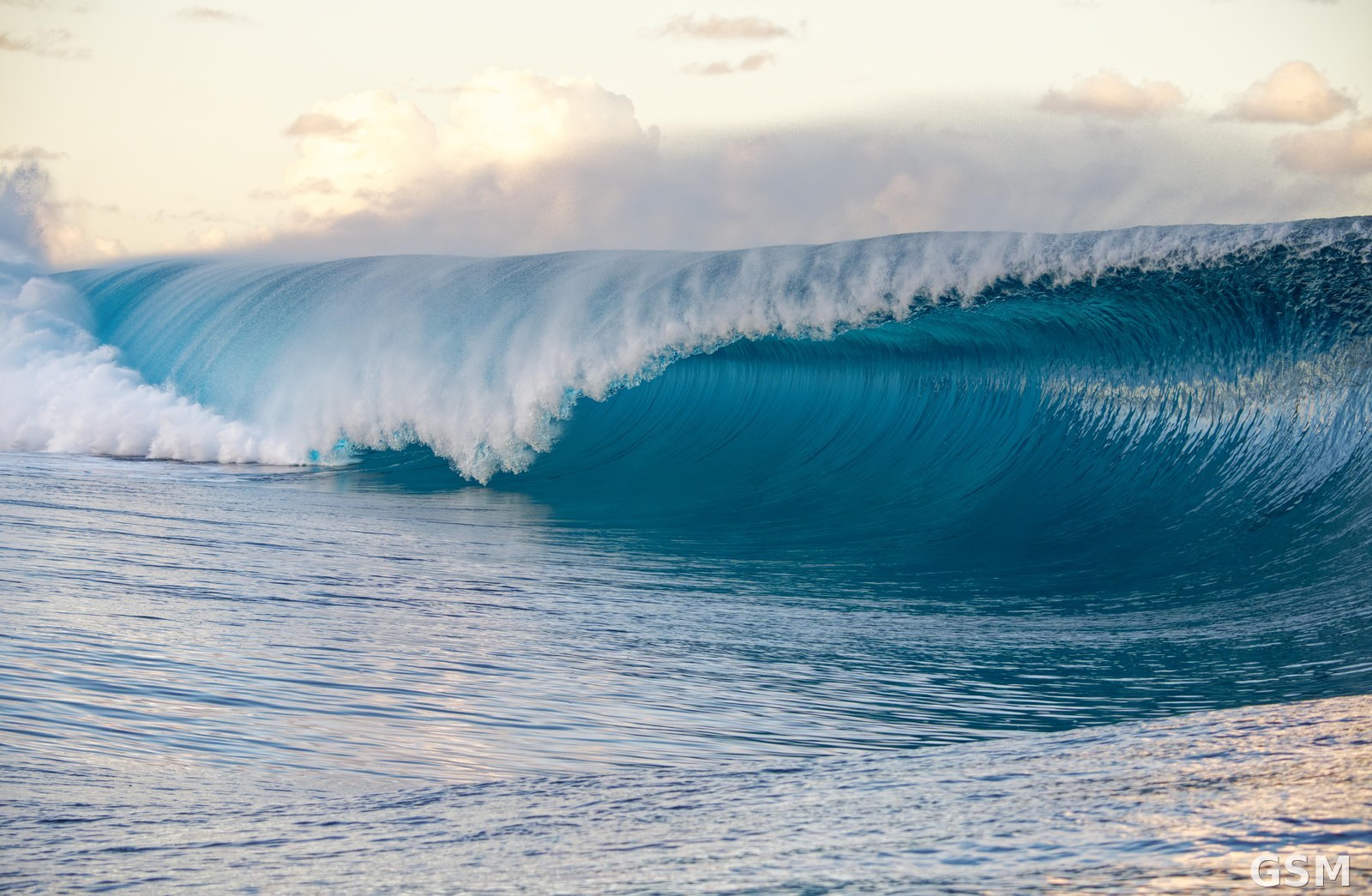
图片来源:图:海洋吸收人类活动约三成二氧化碳排放、九成温室气体多余热量,是地球最大的天然碳汇之一(资料图)。照片:Ifremer,CC BY 4.0,经 Wikimedia Commons。 / Photo: The ocean absorbs around 30 per cent of human-caused CO2 emissions and 90 per cent of excess heat, making it one of Earth's largest natural carbon sinks (file photo). Ifremer, CC BY 4.0, via Wikimedia Commons.