俄罗斯华人劳工:2026年上半年近9万名中国公民入境务工,持劳动专利的外国人逾150万
在俄罗斯务工的华人劳工有了最新官方数字:据塔斯社援引俄罗斯政府部门数据,2026年上半年以工作为目的入境俄罗斯的中国公民有89600人;入境务工人数最多的是乌兹别克斯坦公民,达117.8万人。
数据显示,同期入境务工的塔吉克斯坦公民超过49.45万人,吉尔吉斯斯坦公民28.9万人,哈萨克斯坦公民12.26万人,中国公民居其后,为8.96万人;其后是亚美尼亚8.86万人、阿塞拜疆6.24万人、印度2.74万人、土库曼斯坦1.34万人、土耳其8300人。
按照俄罗斯的规定,塔吉克斯坦、乌兹别克斯坦与阿塞拜疆公民在俄合法工作须申办劳动专利;吉尔吉斯斯坦、哈萨克斯坦与亚美尼亚同属欧亚经济联盟,其公民免办专利。
俄罗斯内务部的数据显示,2026年1月至9月,持劳动专利在俄罗斯工作的外国人超过150.4万人,比2025年同期减少40.4万人。持专利劳工最多的地区是莫斯科市,43.76万人,低于上年同期的50.47万人;其后是莫斯科州26.81万人,圣彼得堡与列宁格勒州合计16.24万人,斯维尔德洛夫斯克州3.86万人,鞑靼斯坦3.62万人。
Russia's Chinese Workers: Nearly 90,000 Chinese Citizens Entered for Work in First Half of 2026; Over 1.5 Million Foreigners Hold Work Patents
Chinese workers in Russia have a new official count: according to figures from Russian government agencies reported by TASS, 89,600 Chinese citizens entered Russia for work in the first half of 2026. The largest group entering for work came from Uzbekistan, at 1.178 million people.
More than 494,500 citizens of Tajikistan entered for work in the same period, followed by 289,000 from Kyrgyzstan, 122,600 from Kazakhstan and 89,600 from China. They were followed by Armenia at 88,600, Azerbaijan at 62,400, India at 27,400, Turkmenistan at 13,400 and Turkey at 8,300.
Citizens of Tajikistan, Uzbekistan and Azerbaijan must obtain a work patent to work legally in Russia. Citizens of Kyrgyzstan, Kazakhstan and Armenia are exempt, as their countries belong to the Eurasian Economic Union.
According to Russia's Interior Ministry, more than 1.504 million foreign nationals worked in Russia under patents from January to September 2026, 404,000 fewer than in the same period of 2025. The regions with the most patent-holding workers were Moscow with 437,600, down from 504,700 a year earlier; Moscow Oblast with 268,100; St. Petersburg and Leningrad Oblast with 162,400 combined; Sverdlovsk Oblast with 38,600; and Tatarstan with 36,200.
来源:GSM·美国(原文链接)
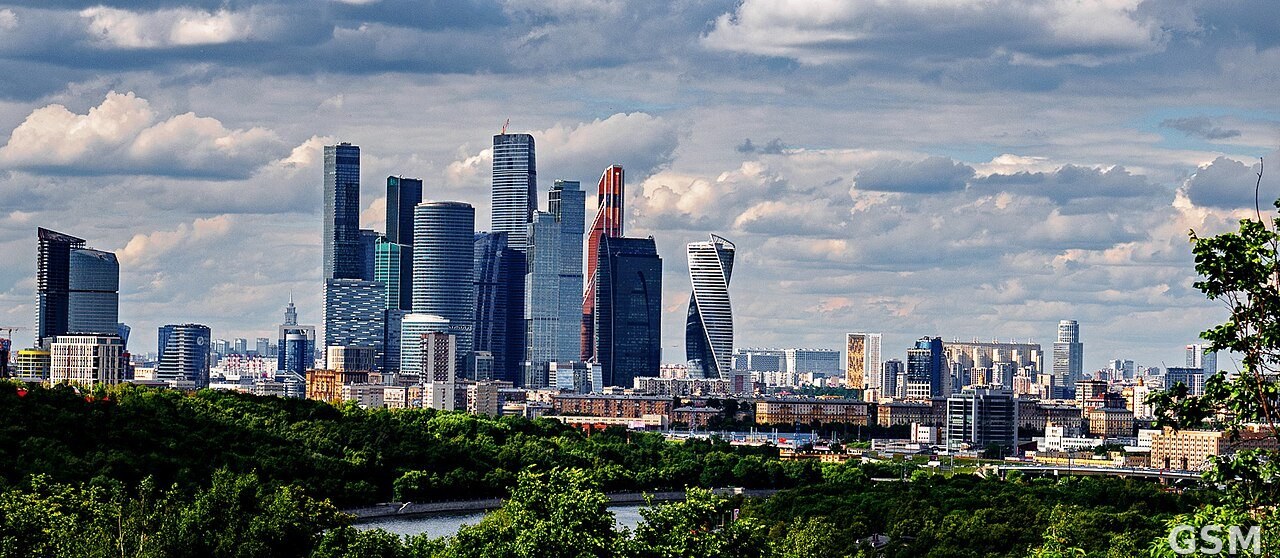
图片来源:图:莫斯科国际商务中心。照片:Pasquale Paolo Cardo,CC BY 2.0,经 Wikimedia Commons。Photo: The Moscow International Business Center. Photo: Pasquale Paolo Cardo, CC BY 2.0, via Wikimedia Commons.