美国高校新规10月1日生效:STATS数据上报启动,2027至2028学年起按毕业生收入考核联邦贷款资格
根据美国教育部的新规,自2026年10月1日起,美国高校必须开始向教育部提交各专业的学生与项目数据,纳入新建的“学生学费与透明系统”(STATS),并适用“收入问责”(Earnings Accountability)框架。第一轮上报只是启动数据报送程序,各专业不会立即失去联邦学生贷款资格;教育部预计2027年初进行首次收入测算,并从2027至2028学年起影响贷款资格认定。
高校须上报的数据包括:专业名称、CIP专业代码、学历层次、项目时长、就读总成本、私人教育贷款情况,以及学生的完成与退学状态。问责的基准线按学历分层:本科项目毕业生的收入中位数,必须高于仅有高中文凭、年龄25至34岁就业人群的收入中位数;研究生项目则须高于仅有学士学位的同年龄段人群。收入按毕业后四年时点测算。
对在美华人家庭而言,这套新规的实际意义在于选校选专业多了一条硬指标:未来在教育部公布的“收入关卡”中不达标的专业,可能失去联邦贷款支持,就读性价比也将被重新定价。教育界提醒,学生与家长在比较项目时,除排名与学费外,应把毕业后收入数据一并纳入考量。
New Federal STATS Reporting Begins October 1: College Programs Face an Earnings Test From the 2027–28 Award Year
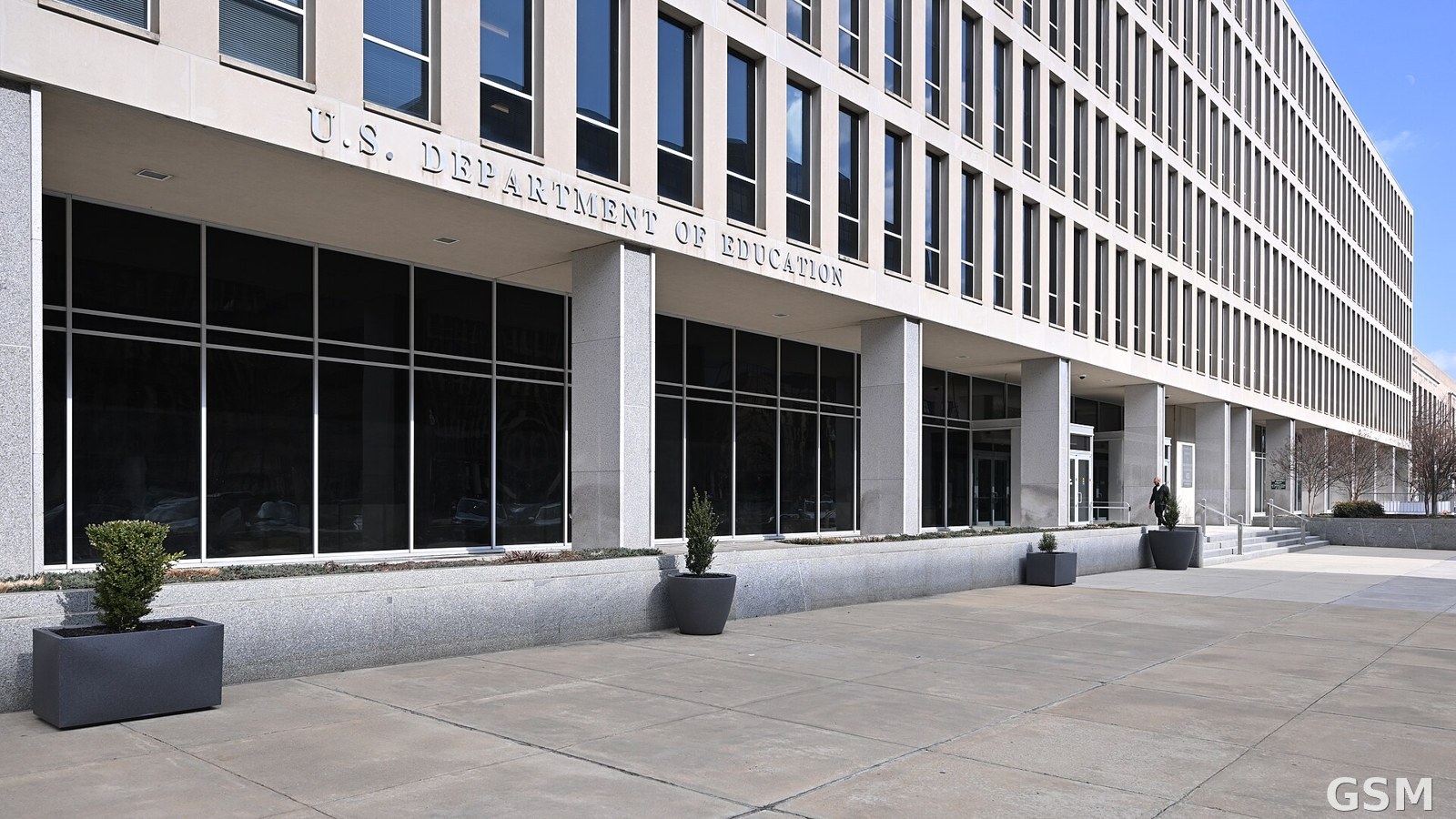
Under a new US Department of Education framework, colleges must from October 1, 2026 submit program- and student-level data to the new Student Tuition and Transparency System (STATS) under the Earnings Accountability rule. The first submission round starts the reporting process only — no program loses federal loan eligibility immediately. The department's first earnings calculation is expected in early 2027, applying to the 2027–2028 award year.
Institutions must report program names, CIP codes, credential levels, program length, total cost of attendance, private education loans, and completion and withdrawal data. The accountability benchmarks differ by level: an undergraduate program's graduates must post median earnings above those of working adults aged 25–34 with only a high school diploma, while graduate programs are compared with bachelor's-only adults in the same age band. Earnings are measured four years after completion.
For families choosing colleges, the rule adds a hard metric to the decision: programs that fail the federal earnings test in future years could lose access to federal student loans, and their value proposition will be repriced accordingly. Admissions advisers say applicants should weigh graduate earnings data alongside rankings and tuition.
来源:GSM·美国(原文链接)
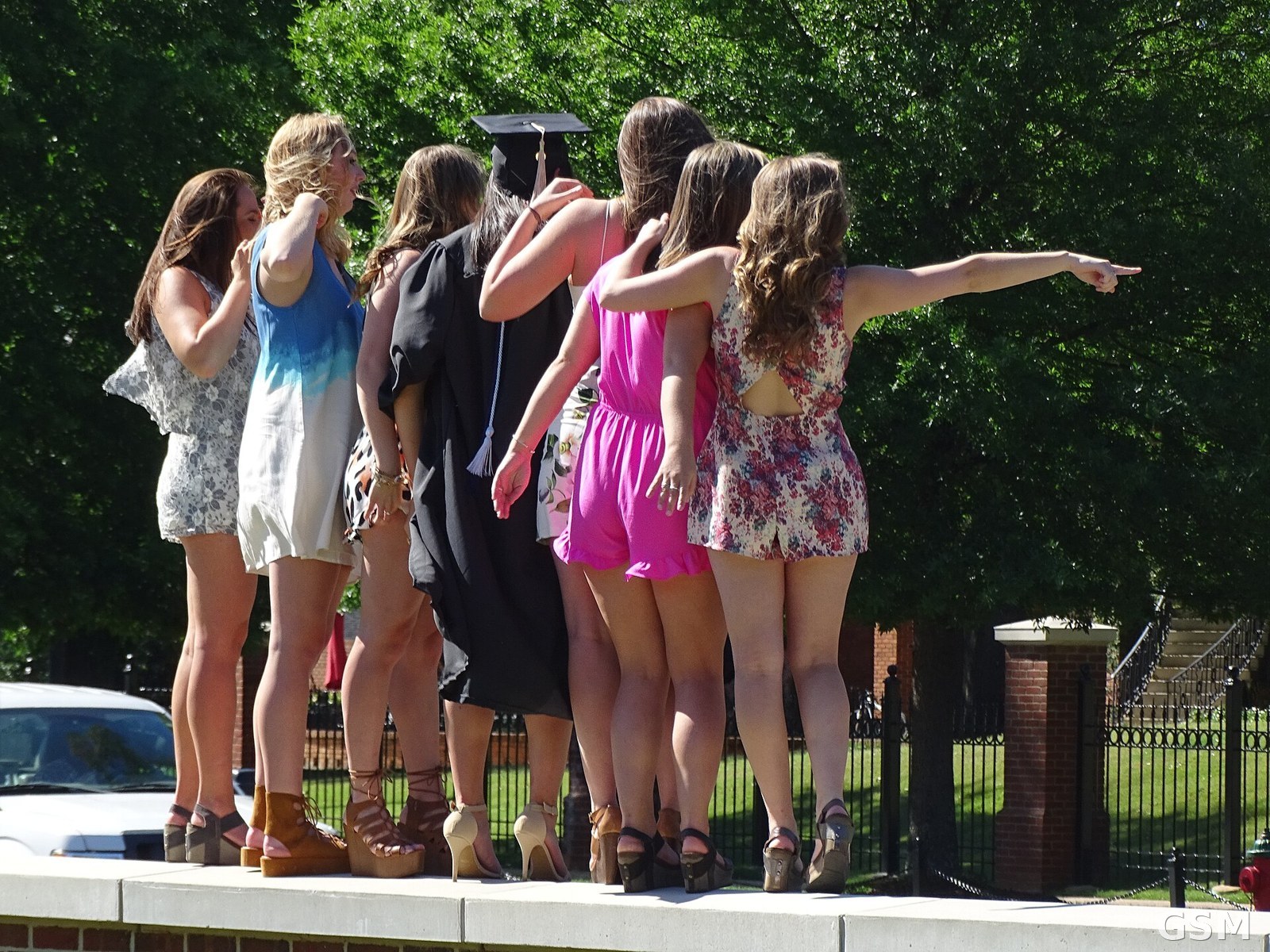
图片来源:大学毕业典礼(资料图)。Photo: Adam Jones, CC BY-SA 2.0, via Wikimedia Commons