冒充中国使领馆与警察诈骗四步链条:FBI拆解针对在美华人的恐吓骗局
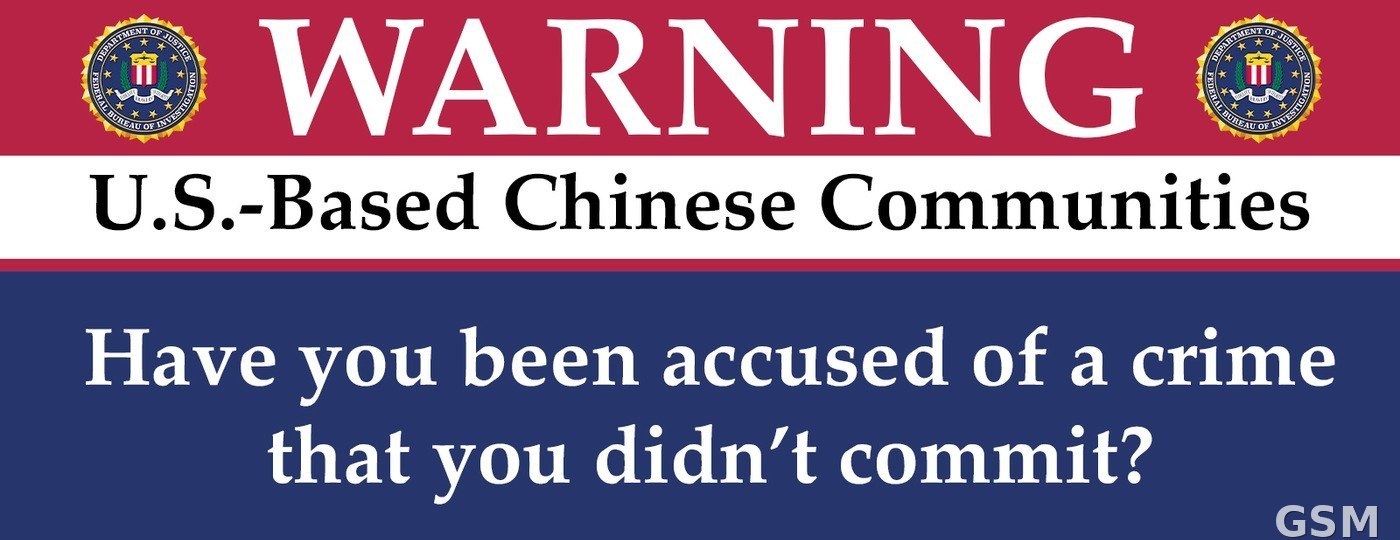
联邦调查局(FBI)华盛顿外勤办公室2024年5月9日发布警告,指出一类专门针对在美华人社区的诈骗正在发生:作案者冒充美国公司、中国使领馆与中国警察,以受害人「在中国涉案」相恐吓,最终勒索其将钱电汇至中国银行账户。FBI互联网犯罪投诉中心(IC3)数据显示,2024年冒充政府类投诉达17,367件,报告损失4.06亿美元。本篇据FBI警告原文拆解这条话术链条。
第一步:以小事来电
骗子冒充美国公司或中国使领馆,以信用卡欠款、包裹无法投递、账单未付等小事联系受害人。来电显示经过技术伪装(spoofing),看起来像是使领馆或美国公司的号码。
第二步:转接「中国警察」恐吓
通话被转接给自称中国执法官员的人,对方出示伪造文件,例如逮捕令,声称受害人在中国涉案,施压其回国受审,或以逮捕相威胁。
第三步:24小时监控与封口
骗子强迫受害人同意接受全天候音视频监控,不许谈论案情、不许上网搜索。FBI警告指出,有些受害人甚至被招募去拍摄其他受害人,或代收加密货币与电汇,成为链条的一环。
第四步:电汇「证明清白」
骗子指示受害人将钱电汇至中国银行账户,以「证明清白」或交「保释金」;还提供去银行时应对柜员的应答脚本。有时受害人被强迫向亲友撒谎借钱,或充当钱骡(money mule)转运赃款。
FBI的判断
FBI助理局长David Sundberg在警告中表示,骗子冒充中国调查人员恐吓受害人、利用其恐惧偷钱;「这种骗局之所以令人信服,是因为它由多个层级、多名作案者构成。」IC3另就同一主题发布过公共服务公告《Criminals Pose as Chinese Authorities to Target U.S.-based Chinese Community》,备有简繁中文版。
官方识别与自保要点
FBI原文清单:陌生人来电指控你犯罪,不提供个人或财务信息、不汇款、立即切断联系;来电显示是官方号码不等于官方行为,号码可以被伪装;自称中国当局者联系你,请联系当地FBI办公室,外国政府官员在美国合法执法必须与美国联邦当局协调;不要同意接受24/7音视频监控。
已经汇款怎么办
FBI原文:如果你已经转出资金,立即联系你的金融机构,要求停止或撤销交易,并要求己方机构联系资金汇达的对应金融机构。同时在ic3.gov提交投诉,附上电汇指令、钱包地址、电话号码、短信或邮件往来等交易信息。
来源:GSM·美国
关联:华人男子冒充联邦官员收钱洗钱近60万美元 10月5日认罪、明年1月量刑
关联:假冒联邦人员上门收走老人70多万美元现金 华男刘炳辉在加州联邦法院认罪
关联:FBI提醒:有人冒充联邦探员行骗,官方不会来电索要钱款与礼品卡
关联:美国2024年诈骗报告损失125亿美元:FTC与FBI数据揭示华人社区为何成为重点目标(本系列总论)
The Four-Step Consulate and Police Impersonation Script: FBI Breaks Down the Intimidation Scam Targeting Chinese Residents in the US
On May 9, 2024, the FBI's Washington Field Office warned of a scam aimed specifically at Chinese communities in the United States: criminals pose as US companies, Chinese consulates and embassies, and Chinese police, frighten victims with claims that they are "implicated in a case in China," and ultimately extort them into wiring money to bank accounts in China. FBI IC3 data show 17,367 government-impersonation complaints in 2024 with reported losses of $405.6 million. This article breaks down the script using the FBI warning itself.
Step one: a call about a minor matter
The scammers pose as a US company or a Chinese consulate or embassy and raise a small issue — a credit card balance, an undeliverable package, an unpaid bill. The caller ID is spoofed to look like a consulate or company number.
Step two: transfer to a fake "Chinese police officer"
The call is handed to someone claiming to be a Chinese law-enforcement official, who displays forged documents such as an arrest warrant, claims the victim is implicated in a case in China, and pressures the victim to return for trial or threatens arrest.
Step three: round-the-clock monitoring and silence
Victims are forced to accept 24/7 audio and video monitoring, forbidden to discuss the "case," and forbidden to search online. The FBI warning notes that some victims are even recruited to film other victims or to receive cryptocurrency and wire transfers on the scammers' behalf.
Step four: wire money to "prove innocence"
Victims are told to wire money to a bank account in China to "prove their innocence" or post "bail," and are given a script for answering bank tellers' questions. Some are coerced into lying to relatives and friends to borrow money, or into acting as money mules.
The FBI's assessment
Assistant Director David Sundberg said the scammers impersonate Chinese investigators to intimidate victims and steal their money by exploiting their fear, and that the scheme is convincing because it is built from multiple layers and multiple perpetrators. IC3 has also issued a public service announcement on the same scheme, "Criminals Pose as Chinese Authorities to Target U.S.-based Chinese Community," available in Simplified and Traditional Chinese.
Official red flags and self-protection points
From the FBI warning: if a stranger calls and accuses you of a crime, do not provide personal or financial information, do not send money, and break off contact immediately. A caller ID showing an official number does not make the call official — numbers can be spoofed. If someone claiming to be a Chinese authority contacts you, contact your local FBI office; foreign officials conducting lawful enforcement in the US must coordinate with US federal authorities. Do not agree to 24/7 audio or video monitoring.
If you have already sent money
The FBI advises: if you have transferred funds, immediately contact your financial institution to stop or reverse the transaction, and ask your institution to contact the receiving institution. File a complaint at ic3.gov and include transaction details such as wire instructions, wallet addresses, phone numbers, and message or email records.
Source: GSM·USA
来源:GSM·美国(原文链接)
图片来源:联邦调查局面向在美华人社区发布的反诈警告图(美国联邦调查局 FBI 官方发布,公共领域;原图底部含二维码条带,已按本站规范裁除)/ FBI warning graphic for U.S.-based Chinese communities on law-enforcement impersonation scams (Federal Bureau of Investigation, public domain; the bottom strip bearing a QR code was cropped per GSM policy)
- 2026-10-25 03:21美国2024年诈骗报告损失125亿美元:FTC与FBI数据揭示华人社区为何成为重点目标
- 2026-10-25 03:21冒充中国使领馆与警察诈骗四步链条:FBI拆解针对在美华人的恐吓骗局本篇
- 2026-10-25 03:21加密货币投资诈骗2024年损失58亿美元:FBI通知的受害人中76%当时不知自己受骗
- 2026-10-25 03:21企业邮箱入侵2024年损失27.7亿美元:买房电汇被篡改与伪造契据盗房如何发生
- 2026-10-25 03:26冒充银行与政府机构电话短信诈骗:FTC数据示电话渠道损失9.48亿美元、中位数损失1500美元
- 2026-10-25 03:2660岁以上人群2024年报告诈骗损失48.85亿美元:「孙子出事」、礼品卡与上门收现金如何盯上华人长者
- 2026-10-25 03:26网购与抽奖诈骗2024年报告损失7.83亿美元:单笔不大、总量惊人的日常小额诈骗
- 2026-10-25 03:26已经被骗汇款后怎么办:IC3止损链2024年处理3020件、冻结成功率66%