梵蒂冈发表《Venite ad me》文件:呼吁在信仰代际传递危机中重新宣讲福音
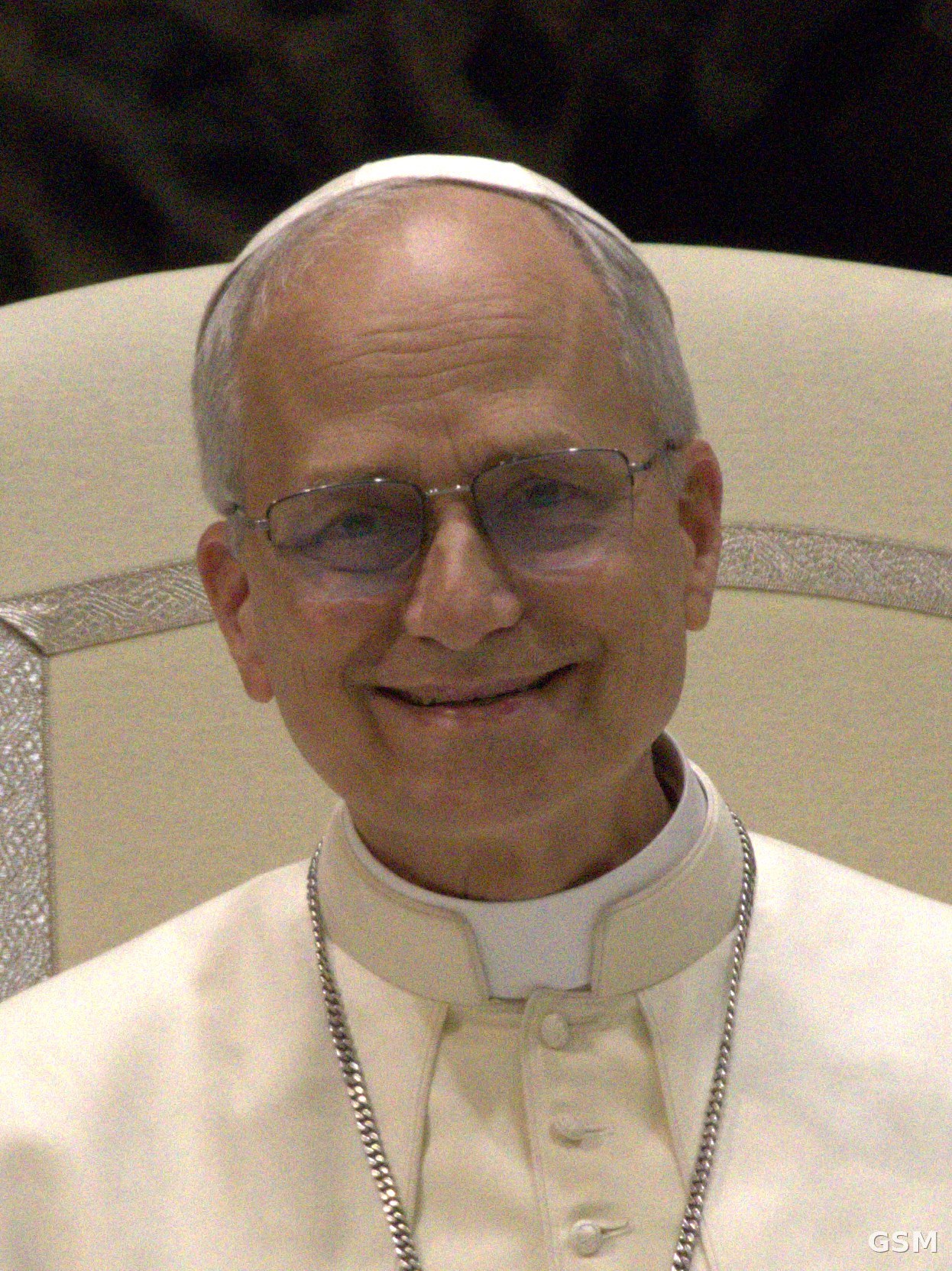
梵蒂冈信仰教理部10月22日发表文件《Venite ad me》(拉丁文,意为「你们来就我吧」),全名为《Venite ad me:在划时代变迁中传递信仰的思考》。文件由教宗良十四世于8月21日批准发表,由信仰教理部部长 Cardinal Víctor Manuel Fernández 签署,全文超过25,000字,共分八章。据天主教媒体报道,这份文件源于已故教宗方济各在晚年提出的要求,旨在引发教会内部的讨论与反思;文件定位为「思考」,而非教理定论。
文件指出,基督信仰在代际之间的传递正面临危机:在不少地方,传统的家庭传递方式已经中断,世俗化、家庭结构的变化以及数字技术的广泛影响,都使儿童和青少年与信仰的接触变得零散。文件提出,教会应开启一段重新宣讲福音的时期,把对基督的首次宣讲(kerygma)重新置于教会使命的中心,并帮助人们与基督建立个人关系。
文件强调,家庭仍是传递信仰「第一也是最重要的场所」,父母是子女最初的要理教师;与此同时,教会不能只关注儿童和青少年的要理培育,还必须重视成年人的福传,包括那些远离信仰或从未接触过福音的成年人,并陪伴人们走过人生的每个阶段。文件还谈到见证、团体生活、祈祷、礼仪和慈善工作在当代社会中呈现福音的作用。
文件同时注意到,法国等世俗化程度较高的国家和地区,近年来出现年轻成人领洗与回归教会人数上升的现象。文件引用法国主教团的数据指出,法国2026年的领洗人数较上一年增加26%,新领洗者绝大多数在40岁以下,许多人是在经历人生危机、灵性觉醒或与信徒接触之后寻求信仰。但文件提醒,对这一现象应避免「胜利主义」态度,因为领洗并不必然带来持久的信仰委身,教会团体需要以接纳和陪伴帮助新教友把信仰扎根。文件还提出,应让女性在教会领导角色中有更多参与,并提醒数字福传有可能脱离日常生活、被意识形态或个人偏好所塑造。
Vatican Publishes 'Venite ad Me': A Call to Renew Proclaiming the Faith Amid a Crisis in Passing It On
The Vatican's Dicastery for the Doctrine of the Faith published a new document, "Venite ad Me" ("Come to Me"), on October 22, formally titled "Venite ad Me: Considerations on the Transmission of the Faith in an Epochal Change." Approved by Pope Leo XIV on August 21 and signed by the dicastery's prefect, Cardinal Víctor Manuel Fernández, the text runs to more than 25,000 words across eight chapters. According to Catholic media reports, the document was written in response to a request first made by the late Pope Francis toward the end of his life, and is presented as "considerations" meant to stimulate reflection, rather than a definitive doctrinal text.
The document addresses what it calls a crisis in the intergenerational transmission of the Christian faith. In many places, it says, the handing on of faith within families has been interrupted, and amid secularization, the breakdown of families and the influence of digital technologies, children and adolescents often receive only fragmentary contact with Christian belief and practice. It calls on the whole Church to embark on a renewed period of proclaiming the Gospel, placing the kerygma — the first proclamation of Christ — at the heart of the Church's mission.
The family, the document insists, remains the "first and most essential place" for the transmission of the faith, and parents are their children's first catechists. At the same time, it urges greater attention to the evangelization of adults alongside the catechesis of children and teenagers, including adults who have become distant from the faith or have never encountered the Gospel, and underlines the importance of Christian witness, community life, prayer, liturgy and works of charity.
The document also notes a rise in conversions and returns to the Church among youth and young adults in secularized parts of Europe and America. Citing data from the French bishops' conference, it reports that baptisms in France rose 26% in 2026 over the previous year, with the vast majority of the newly baptized under 40, many seeking the faith after a time of crisis, a spiritual awakening or contact with other believers. It cautions, however, against "triumphalistic attitudes," noting that new baptisms do not always lead to lasting religious commitment, and calls on communities to welcome new members and help them sustain their faith. The document also calls for greater participation of women in church leadership roles, and warns that digital evangelization can become detached from daily life or shaped by ideology and personal preferences.
来源:GSM·美国(原文链接)
图片来源:图:教宗良十四世(资料图)。CC BY-SA 4.0,经 Wikimedia Commons