日本MMX探测器升空前往火星卫星火卫一:2027年抵达火星系统,将采集样本并于2031年带回地球
日本宇宙航空研究开发机构(JAXA)表示,日本火星卫星探测器「火星卫星探索计划」(MMX)于日本标准时间 10 月 20 日凌晨 4 时 41 分,搭乘 H3 火箭第 10 次飞行从种子岛宇宙中心升空。火箭按计划飞行,探测器在升空约 71 分钟后、即凌晨约 5 时 52 分成功分离,进入预定奔火轨道。此次发射使用 H3 火箭的最强构型 H3-24L,配备两台主发动机、四枚固体助推器与长整流罩;JAXA 资料显示,该火箭高 63 米、不含载荷重 574 吨。
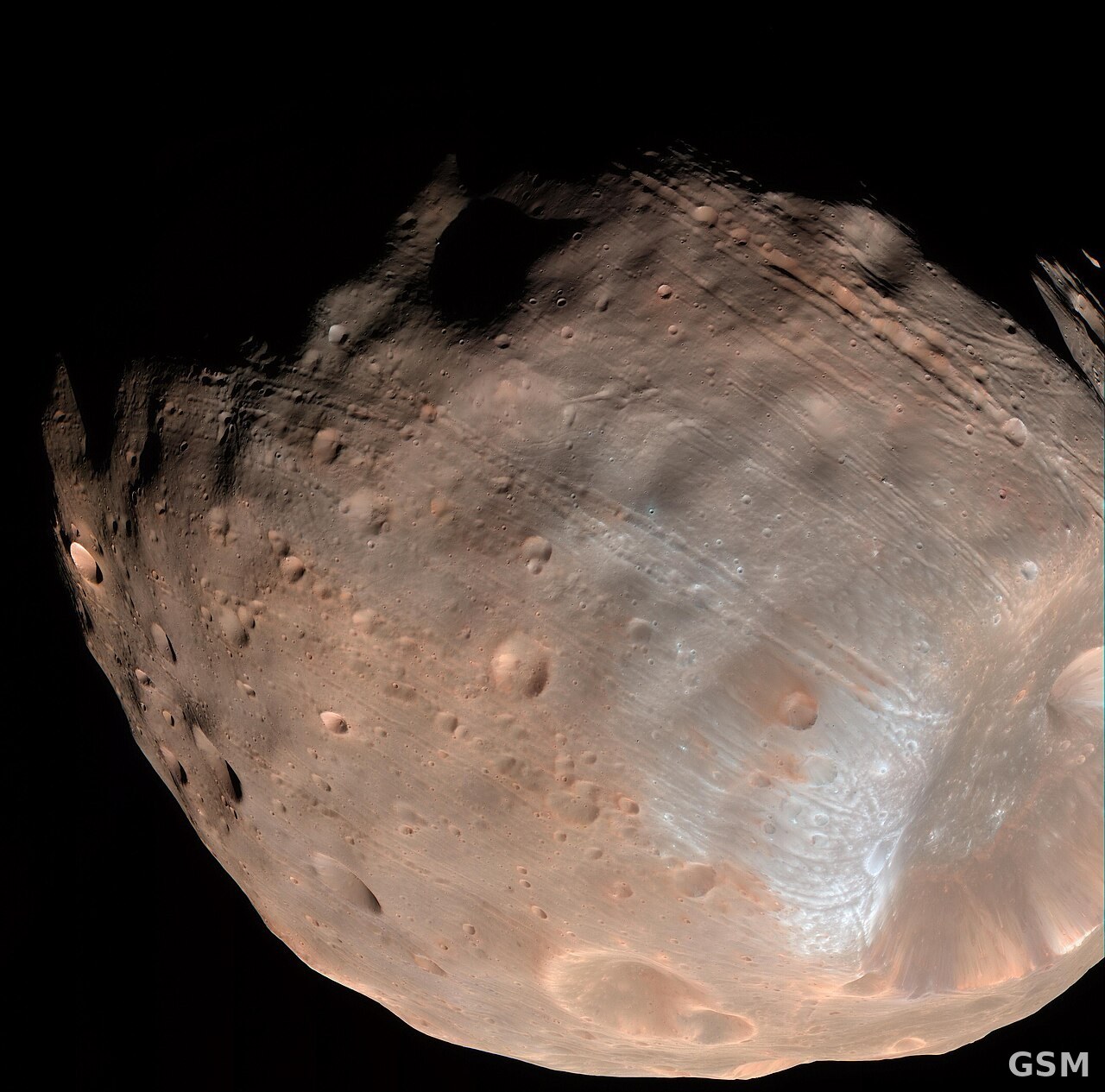
MMX 的目的地是火星两颗卫星中较大的一颗火卫一(Phobos):它直径约 22 公里,轨道距火星表面仅约 6,000 公里。探测器定于 2027 年 8 月抵达火星、9 月起进入环绕火卫一的轨道,用约一年时间以相机、激光测绘系统与光谱仪对火卫一进行勘测,寻找安全且有科学价值的着陆点;随后释放由德国与法国航天机构研制的小型巡视器 IDEFIX,该巡视器设计在火卫一表面工作至少 100 天;主探测器最终将着陆采集至少 10 克表面物质。
据欧洲航天局(ESA)介绍,若一切顺利,MMX 将成为首个环绕火卫一飞行的探测器、首个在其表面采集样本的探测器,也是首个从火星系统返回地球的探测器。样本返回舱定于 2031 年在澳大利亚着陆。美国国家航空航天局(NASA)是主要合作伙伴,贡献了由约翰斯·霍普金斯大学应用物理实验室研制的 MEGANE 伽马射线与中子光谱仪,并有 10 名科学家参与;法国国家空间研究中心(CNES)与欧洲航天局也提供仪器与支持。
科学家表示,样本有助于解开火卫一与火卫二的成因之争:它们究竟是被火星引力捕获的小行星,还是远古时期火星与大型天体撞击后留下的碎片。MMX 项目负责人川胜康弘在声明中说:「火星卫星火卫一仍是人类未曾涉足的前沿。通过把火卫一的样本带回地球,我们希望探明火星卫星如何形成、火星圈层如何演化,以及类地行星上的水与有机物从何而来。」JAXA 此前把 10 月 21 日至 11 月初列为备用发射窗口。
Japan's MMX Spacecraft Lifts Off for Mars's Moon Phobos: Arrival in 2027, a Sample to Collect and a Return to Earth in 2031
Japan's Martian Moons eXploration (MMX) spacecraft lifted off from the Tanegashima Space Center at 4:41 a.m. Japan Standard Time on October 20 aboard an H3 rocket on its tenth flight, the Japan Aerospace Exploration Agency (JAXA) said. The rocket flew as planned and the spacecraft separated about 71 minutes after liftoff, around 5:52 a.m., on its planned trajectory toward Mars. The launch used the H3's most powerful H3-24L configuration, with two main engines, four solid rocket boosters and a long fairing; JAXA's press materials put the vehicle at 63 metres tall and 574 tonnes without its payload.
MMX is headed for Phobos, the larger of Mars's two moons, about 22 kilometres across and orbiting just 6,000 kilometres above the Martian surface. The spacecraft is due to arrive at Mars in August 2027 and enter orbit around Phobos from September 2027, spending about a year surveying the moon with cameras, a laser mapping system and spectrometers while searching for a safe and scientifically interesting landing site. It will then deploy IDEFIX, a small rover built by the German and French space agencies that is designed to travel on Phobos for at least 100 days, before the main spacecraft lands to collect at least 10 grams of surface material.
If successful, MMX will be the first spacecraft to orbit Phobos, the first to collect samples from its surface and the first to return to Earth from the Mars system, according to the European Space Agency. The sample capsule is due to land in Australia in 2031. NASA is a major partner, contributing the MEGANE gamma-ray and neutron spectrometer, developed by the Johns Hopkins Applied Physics Laboratory, and 10 participating scientists; the French space agency CNES and ESA also contribute instruments and support.
Scientists say the sample can help settle how Phobos and its companion Deimos formed: whether they are asteroids captured by Mars's gravity or debris from an ancient collision between Mars and a large impactor. 'The Martian moon Phobos remains an unexplored frontier for humankind,' MMX Project Manager Kawakatsu Yasuhiro said in a statement. 'By bringing home samples from Phobos, we hope to explore how the martian moons were formed, how the Mars sphere evolved, and how the water and organic materials found on the terrestrial planets originated.' JAXA had held October 21 to early November as backup launch dates.
来源:GSM·美国(原文链接)
图片来源:火星卫星火卫一(Phobos)资料图。图:NASA/JPL-Caltech/亚利桑那大学(火星勘测轨道飞行器 HiRISE),公共领域,经维基共享资源。 / File image of Phobos, a moon of Mars. Image by NASA/JPL-Caltech/University of Arizona (Mars Reconnaissance Orbiter HiRISE), public domain, via Wikimedia Commons.
GSM Global · 本篇英文版 English edition of this story